
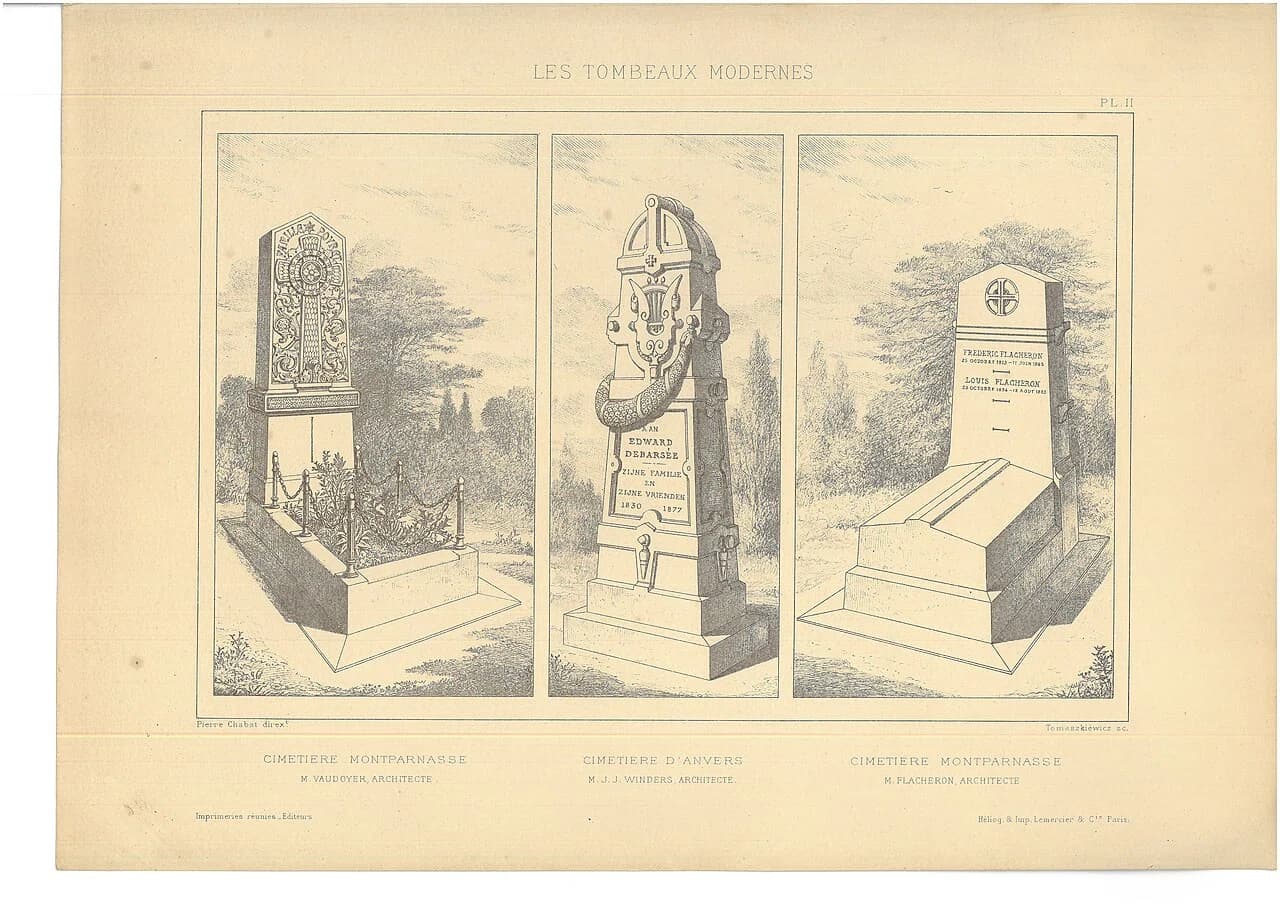
Cimetière Montparnasse
14th arrondissement of Paris

President of France from 1995 to 2007
0 Entries
Be the first to share a memory.
Jacques Chirac (born 29 November 1932 in Paris; died 26 September 2019 in Paris) was a French politician. He served as prime minister, mayor of Paris for almost two decades and president of the French Republic from 1995 to 2007. Chirac was one of the defining figures of the French right after Charles de Gaulle: approachable in public style, highly conscious of power structures, often pragmatic in ideology and present long enough at the centre of politics to shape French domestic and foreign policy across generations.

Chirac came from a bourgeois Parisian family, studied at the Institut d'études politiques de Paris and trained at the École nationale d'administration. After military service and administrative work, he entered politics early. In Corrèze he built a regional power base that supported him for decades. In 1967 he was elected to the National Assembly and soon became a junior minister and then a minister. His style combined technocratic training with a feel for markets, agricultural fairs, direct speech and political loyalties.
In 1974 Valéry Giscard d'Estaing appointed him prime minister. The alliance soon broke down, and Chirac founded the Gaullist Rassemblement pour la République in 1976. A year later he became mayor of Paris. That office gave him staff, visibility and a dense political network. It also left him vulnerable to later investigations: cases involving fictitious jobs and party financing in Paris remained part of his public image long after he left City Hall.
After several failed attempts, Chirac won the presidency in 1995. He promised to reduce France's social divide, but soon governed with austerity and reform pressure. In 1997 his camp lost its majority after an early legislative election; the following years were marked by cohabitation with the Socialist prime minister Lionel Jospin. Chirac therefore remained a head of state with international visibility, while many domestic decisions belonged to the left-led government.
One of his most important gestures was the speech of 16 July 1995 on the Vel d'Hiv roundup. Chirac explicitly acknowledged the responsibility of the French state for the deportation of Jews during the German occupation. In doing so he broke with an older line that had placed responsibility mainly on the Vichy regime. That acknowledgement did not erase the contradictions of his presidency, but it visibly changed official French memory politics.
In 2002 Chirac reached the runoff against Jean-Marie Le Pen. Many voters supported him then not out of enthusiasm, but to block the National Front. His second term became internationally marked by opposition to the Iraq War in 2003. Foreign minister Dominique de Villepin defended that line at the United Nations, but the political decision belonged to Chirac. At home his record remained mixed: unrest in the suburbs, the lost referendum on the European constitutional treaty in 2005 and economic stagnation showed the limits of his presidency.
Chirac left the Élysée Palace in 2007. In 2011 he was convicted of embezzling public funds during his time as mayor of Paris; because of health problems he did not attend the trial in person. Jacques Chirac died in Paris on 26 September 2019. He was 86 years old. His political path remains tied to an unusual length of time at the centre of French power: charm and instinct, republican gestures, foreign-policy independence and the darker sides of a system in which party, city administration and personal networks long overlapped.
Jacques René Chirac wird in Paris geboren.
Chirac studiert am Institut d'études politiques de Paris.
Jacques Chirac heiratet Bernadette Chodron de Courcel.
Chirac beginnt seine Ausbildung an der ENA, einer zentralen Kaderschmiede des französischen Staatsdienstes.
Chirac wird erstmals in die Nationalversammlung gewählt.
Präsident Valéry Giscard d'Estaing ernennt Chirac zum Premierminister.
Chirac gründet die gaullistische Partei Rassemblement pour la République.
Chirac wird erster direkt gewählter Bürgermeister von Paris nach der Neuordnung des Amtes.
In der ersten Cohabitation der Fünften Republik regiert Chirac als Premier unter Präsident François Mitterrand.
Chirac wird als Präsident der Französischen Republik vereidigt.
Chirac erkennt die Verantwortung des französischen Staates für die Razzia von Vel d'Hiv an.
Frankreich beendet nach umstrittenen Tests im Pazifik seine unterirdischen Atomversuche.
Chirac gewinnt die Stichwahl gegen Jean-Marie Le Pen mit einem breiten republikanischen Bündnis.
Chiracs Regierung stellt sich gegen die US-geführte Invasion des Irak.
Frankreich lehnt den europäischen Verfassungsvertrag in einem Referendum ab.
Chirac scheidet nach zwölf Jahren aus dem Élysée-Palast aus.
Ein Gericht verurteilt Chirac wegen Veruntreuung öffentlicher Mittel während seiner Zeit als Pariser Bürgermeister.
Jacques Chirac stirbt im Alter von 86 Jahren in Paris.
No obituary has been uploaded for this memorial page yet. If you are one of the loved ones and would like to upload one, you can register as the owner of this memorial page and add it afterward.
14th arrondissement of Paris
Jacques Chirac (née Jacques René Chirac). Forever remembered.