Memorial Page for Marcel Ophüls
German-French filmmaker
Memorial Candles
1 candle
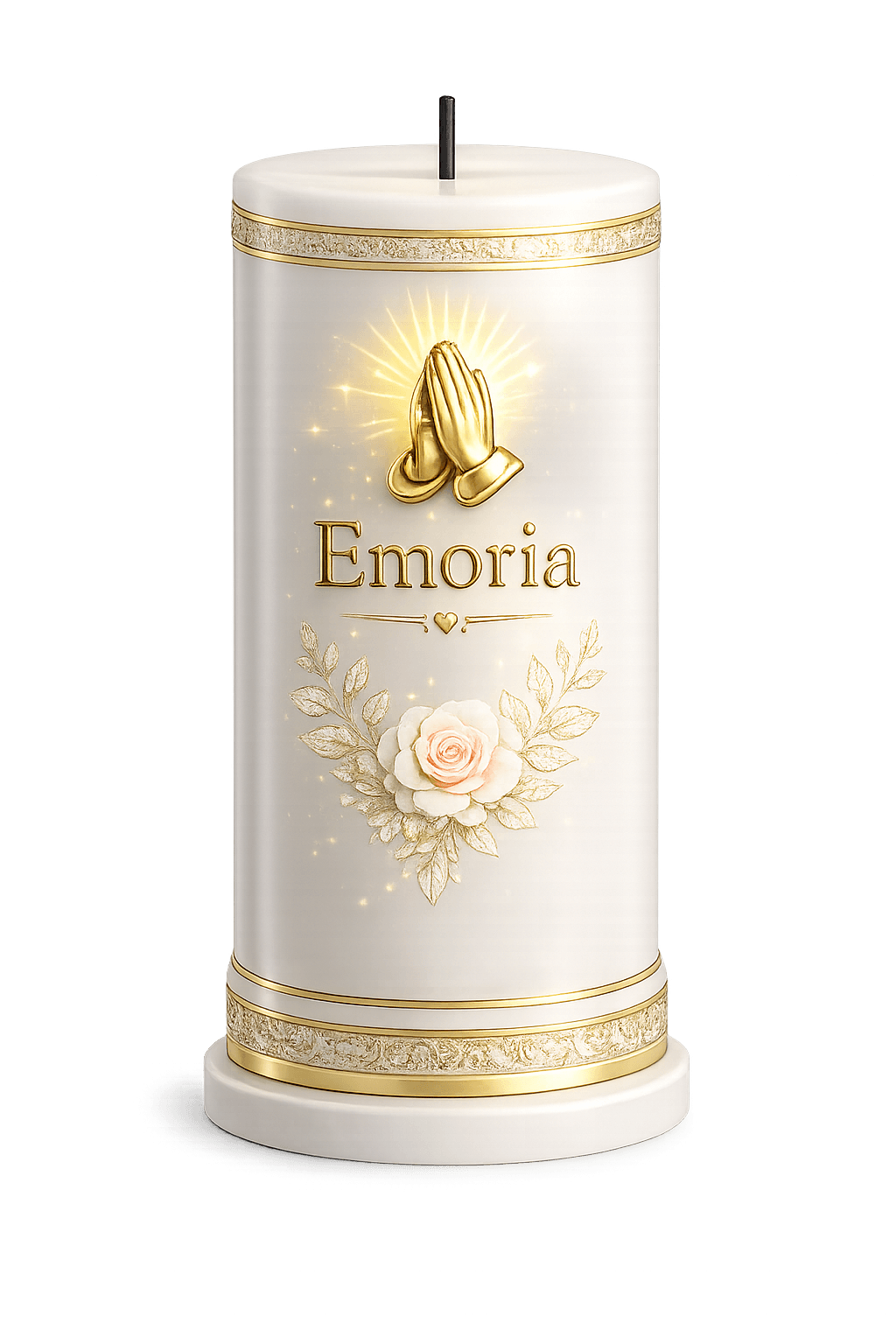
Emoria lights a memorial candle in remembrance of Marcel Ophüls.
Emoria
May 24th, 2026
Condolence Book
0 Entries
Memories
No memories shared yet
Be the first to share a memory.
Biography
Marcel Ophüls, also known as Marcel Ophuls, (born 1 November 1927 in Frankfurt am Main; died 24 May 2025 in southwestern France) was a German-French-American film director, writer and documentarian. His best-known works, Le Chagrin et la Pitié and Hôtel Terminus, examined collaboration, memory and responsibility in the twentieth century.
Family, exile and early years
Ophüls was born Hans Marcel Oppenheimer. His father was director Max Ophüls and his mother was actor Hilde Wall. The Jewish family left Germany after the Nazis took power, lived first in France and fled to the United States during the Second World War. Marcel Ophüls spent formative years in Los Angeles, returned to Europe and later worked as an assistant director, including for John Huston, Julien Duvivier and his father.
From fiction to documentary
In the 1950s and 1960s Ophüls first worked around fiction film and directed fictional projects of his own. Over time, however, he found his form in the long documentary essay. He asked questions on camera, placed archive material beside interviews and allowed contradictions to remain visible. His films did not offer smooth historical summaries; they showed how memory, self-image and political responsibility contend with one another.
Le Chagrin et la Pitié
Le Chagrin et la Pitié, known internationally as The Sorrow and the Pity, was made in 1969 and opened in Paris on 5 April 1971. The multi-hour film used Clermont-Ferrand to examine German occupation, the Vichy regime, resistance, accommodation and collaboration in France. It was nominated for an Academy Award and received Germany's Grimme Prize. In France, the film prompted wide debate because it challenged simplified national self-images.
War, law and memory
Ophüls took up related questions in The Memory of Justice, a film about war crimes, the Nuremberg trials and later violence in the twentieth century. In 1988 came Hôtel Terminus: The Life and Times of Klaus Barbie, an extensive investigation of the Nazi criminal Klaus Barbie, his escape routes, supporters and eventual prosecution. On 29 March 1989 the film won the Academy Award for Best Documentary Feature.
Later work and method
Later works such as November Days, Veillées d'armes and Ain't Misbehavin' also joined personal presence with political research. Ophüls used interviews not simply as sources of information, but as encounters with memory, evasion and self-justification. That method made his films long, demanding and often uncomfortable, yet precise in their attention to historical responsibility.
Death and work
Marcel Ophüls died on 24 May 2025 at the age of 97 at his home in southwestern France. His work remains connected with a form of documentary film that does not close historical material down, but opens it through questions, counter-questions and careful montage at the point where personal memory and political history meet.
Life Events
4 EventsGeboren in Frankfurt am Main
1927Marcel Ophüls wird als Hans Marcel Oppenheimer in Frankfurt am Main geboren.
Pariser Start von Le Chagrin et la Pitié
1971Le Chagrin et la Pitié kommt in Paris ins Kino und prägt die öffentliche Auseinandersetzung mit Vichy-Frankreich.
Oscar für Hôtel Terminus
1989Bei der 61. Oscarverleihung gewinnt Hôtel Terminus: The Life and Times of Klaus Barbie den Preis für den besten Dokumentarfilm.
Gestorben in Südwestfrankreich
2025Marcel Ophüls stirbt im Alter von 97 Jahren in seinem Haus in Südwestfrankreich.
Obituary
No obituary yet
No obituary has been uploaded for this memorial page yet. If you are one of the loved ones and would like to upload one, you can register as the owner of this memorial page and add it afterward.
Family Tree
- Max Ophüls
- Hildegard Wall
Marcel Ophüls. Forever remembered.