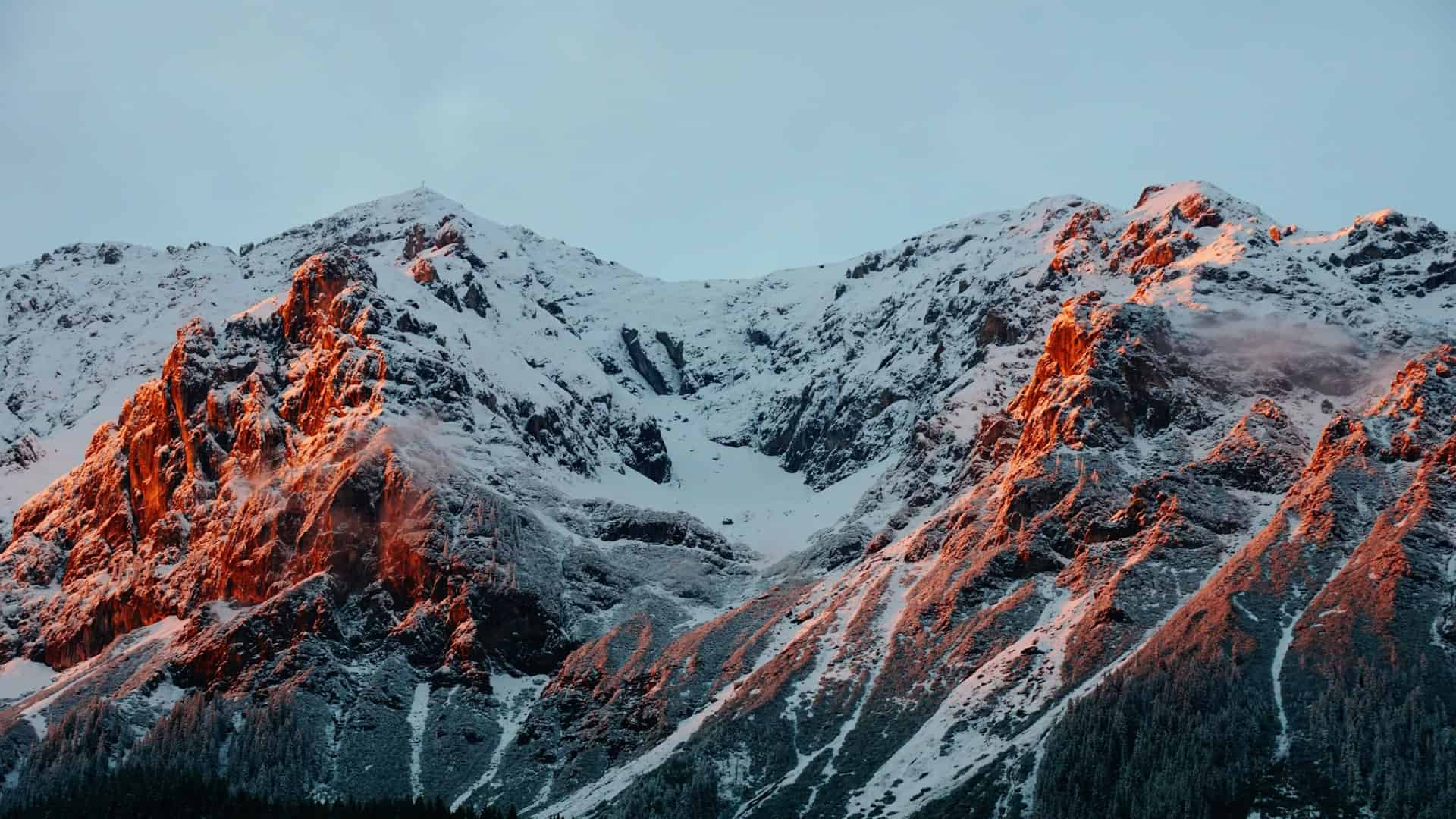
Vatikanische Grotten
Vatican City

265 th pope of the Catholic Church
1 candle
Emoria lights a memorial candle for Benedikt XVI.'s birthday.
Emoria
April 16th, 2026
0 Entries
Be the first to share a memory.
Benedict XVI (born Joseph Aloisius Ratzinger on 16 April 1927 in Marktl am Inn; died 31 December 2022 in Vatican City) was pope of the Roman Catholic Church from 2005 to 2013. Before his election, he was regarded as one of the most influential Catholic theologians of his time and shaped church doctrine, questions of faith and internal Catholic debate for decades. His life joins Bavarian origins, academic theology, high church responsibility, a historic pontificate and the rare step of a papal resignation.
Joseph Ratzinger was born on Holy Saturday in 1927 in Marktl am Inn. He spent his childhood and youth in Bavaria, including near Traunstein. The Catholic character of his family, the experience of the Nazi period and the years of war formed part of his early horizon. After the war, Ratzinger entered priestly formation. His later thought remained strongly shaped by the question of how faith, reason, liturgy and the Church could be held together in a modern world.
On 29 June 1951 Joseph Ratzinger was ordained a priest together with his brother Georg. An academic career followed. Ratzinger earned a doctorate in theology, completed his habilitation and taught at several German universities. He was seen as a clear, powerful and demanding theological voice. During the Second Vatican Council he worked as a theological adviser. That experience made him internationally known and shaped his lifelong engagement with the relationship between tradition and renewal.
In 1977 Pope Paul VI appointed Joseph Ratzinger Archbishop of Munich and Freising; that same year he became a cardinal. In 1981 Pope John Paul II called him to Rome to lead the Congregation for the Doctrine of the Faith. The office made Ratzinger one of the most important voices in the Vatican. He stood for a theology that emphasised truth of faith, church continuity and clear doctrine. It also made him a polarising figure: for many a precise guardian of faith, for others a symbol of church strictness.
After the death of John Paul II, Joseph Ratzinger was elected pope on 19 April 2005. He took the name Benedict XVI. As the first German pope in centuries, he entered an office shaped by the long and worldwide presence of his predecessor. Benedict XVI set different accents: less charismatic mass presence, more theological concentration, liturgy, scripture and the relationship between faith and reason.
During his pontificate Benedict XVI published encyclicals on love, hope and social responsibility. He sought dialogue with science, culture and other religions, but also became involved in conflicts, including after the 2006 Regensburg lecture. His style was marked by language, doctrine and spiritual reflection. He was not a pope of quick gestures. His strength lay more in formulating and deepening theological thought, while his distance from modern public communication remained visible.
Benedict XVI's pontificate and later years were also marked by the sexual abuse crisis in the Catholic Church. As prefect of the Congregation for the Doctrine of the Faith, Ratzinger dealt with canonical procedures; as pope he met survivors and spoke publicly about guilt and purification in the Church. At the same time, his handling of cases from his years as Archbishop of Munich and Freising remained disputed. A 2022 Munich report criticised his actions in several cases. Benedict XVI asked forgiveness after the report for grave failures in the Church's handling of abuse, while rejecting personal guilt. That tension remains part of his legacy.
On 11 February 2013 Benedict XVI unexpectedly announced his resignation. It took effect on 28 February 2013. The step was historic because no pope had resigned in this way for centuries. Benedict explained it by his declining strength. Afterwards he lived in retirement as pope emeritus at the Mater Ecclesiae Monastery in the Vatican. Alongside Pope Francis, this created an unusual situation in church history: a reigning pope and an emeritus predecessor living in the Vatican at the same time.
In the years after his resignation, Benedict XVI appeared in public only rarely. He lived more quietly, wrote occasionally, received visitors and remained a spiritual and theological reference point for many Catholics. On 31 December 2022 he died at the age of 95 in the Mater Ecclesiae Monastery. His funeral in Rome was led by Pope Francis and followed around the world.
Benedict XVI's life in the church led from scholarship to the cardinalate, the papacy and the role of pope emeritus. His significance lies in the combination of scholarship, church responsibility and a resignation that made the papal office visible in a new way: not only as dignity, but also as a service bound to human strength. His legacy remains contested, because theological clarity, church strictness, spiritual depth and the open wound of the abuse crisis stand side by side.
Joseph Aloisius Ratzinger wird am Karsamstag in Marktl am Inn in Bayern geboren.
Joseph Ratzinger wird gemeinsam mit seinem Bruder Georg in Freising zum Priester geweiht.
Papst Paul VI. ernennt Ratzinger zum Erzbischof von München und Freising.
Papst Paul VI. nimmt Joseph Ratzinger in das Kardinalskollegium auf.
Papst Johannes Paul II. beruft Ratzinger an die Spitze der Kongregation für die Glaubenslehre.
Joseph Ratzinger wird zum Papst gewählt und nimmt den Namen Benedikt XVI. an.
Benedikt XVI. kündigt seinen Amtsverzicht in lateinischer Sprache vor Kardinälen an.
Der Rücktritt Benedikts XVI. wird wirksam; er lebt danach als emeritierter Papst.
Benedikt XVI. stirbt im Alter von 95 Jahren im Kloster Mater Ecclesiae im Vatikan.
No obituary has been uploaded for this memorial page yet. If you are one of the loved ones and would like to upload one, you can register as the owner of this memorial page and add it afterward.
Vatican City
Benedikt XVI. (née Joseph Aloisius Ratzinger). Forever remembered.