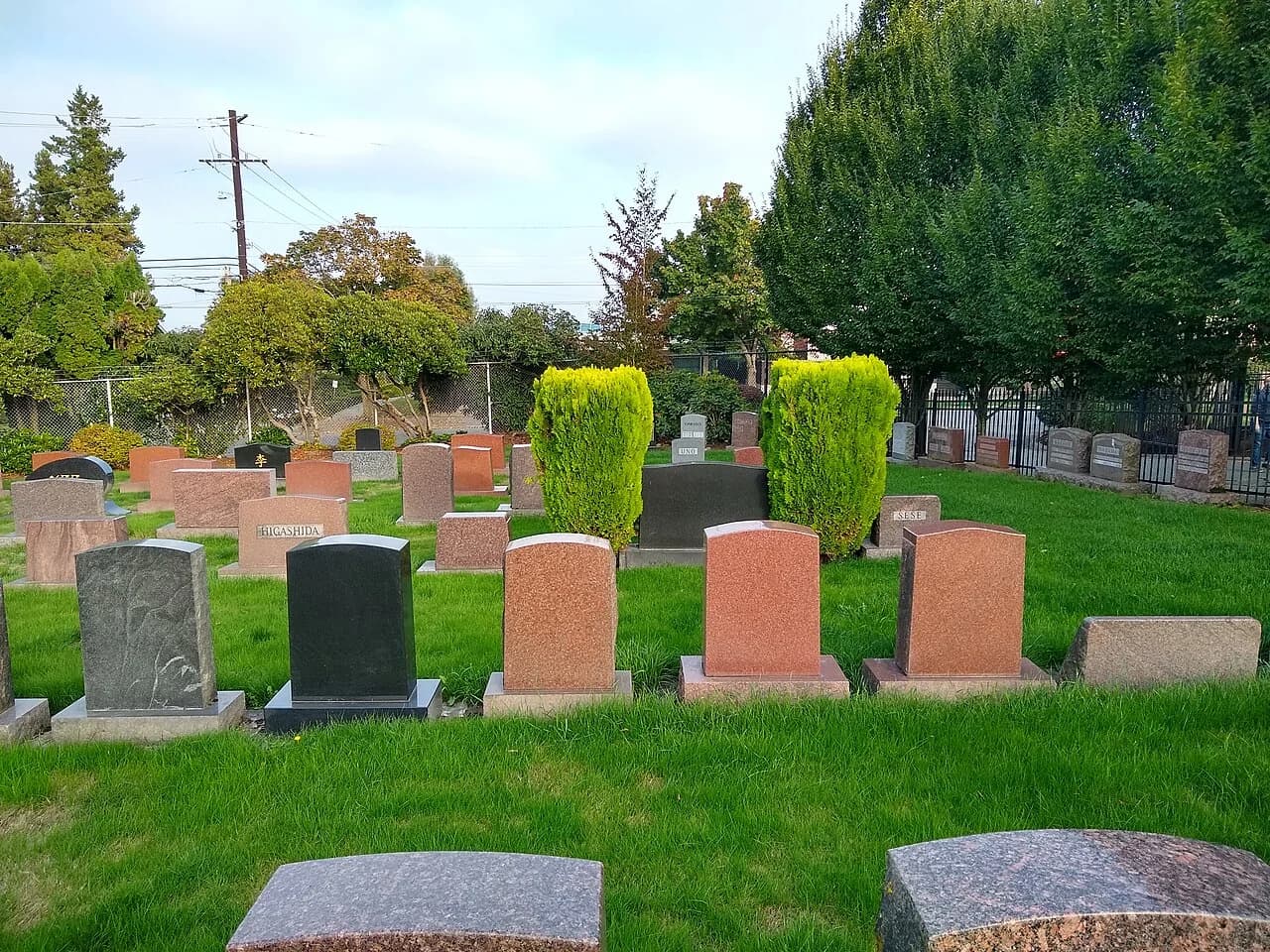
Lake View Cemetery
Seattle
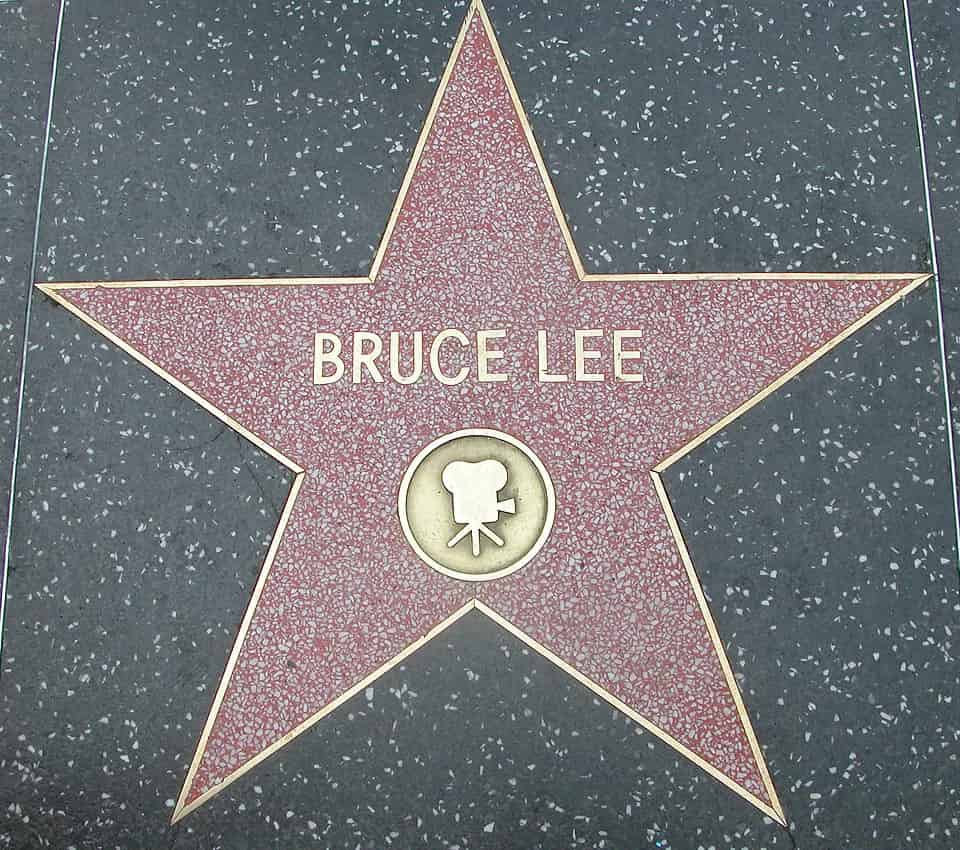

Hong Kong–American martial artist and actor
1 candle
Emoria lights a memorial candle in remembrance of Bruce Lee.
Emoria
July 20th, 2026
0 Entries
13 memories
🕯️ Anniversary of death

Bruce Lee的星星.

Linda Lee Cadwell

Statue of Bruce Lee

Avenue of Stars Hong Kong Bruce Lee Statue

Bruce Lee wall painting. en:Tbilisi, Georgia

Avenue of Stars (Bruce Lee)

Statue by Cao Chong-en of the movie star and Chinese martial artist Bruce Lee on the Avenue of Stars of Hong Kong

Picture of Bruce and Brandon Lee's grave took in Seattle, August 2005.

Picture of Bruce Lee's grave took in Seattle, August 2005.

Statue of the movie star Bruce Lee on the Avenue of Stars of Hong Kong

HK Star Bruce Lee 16

Leemass
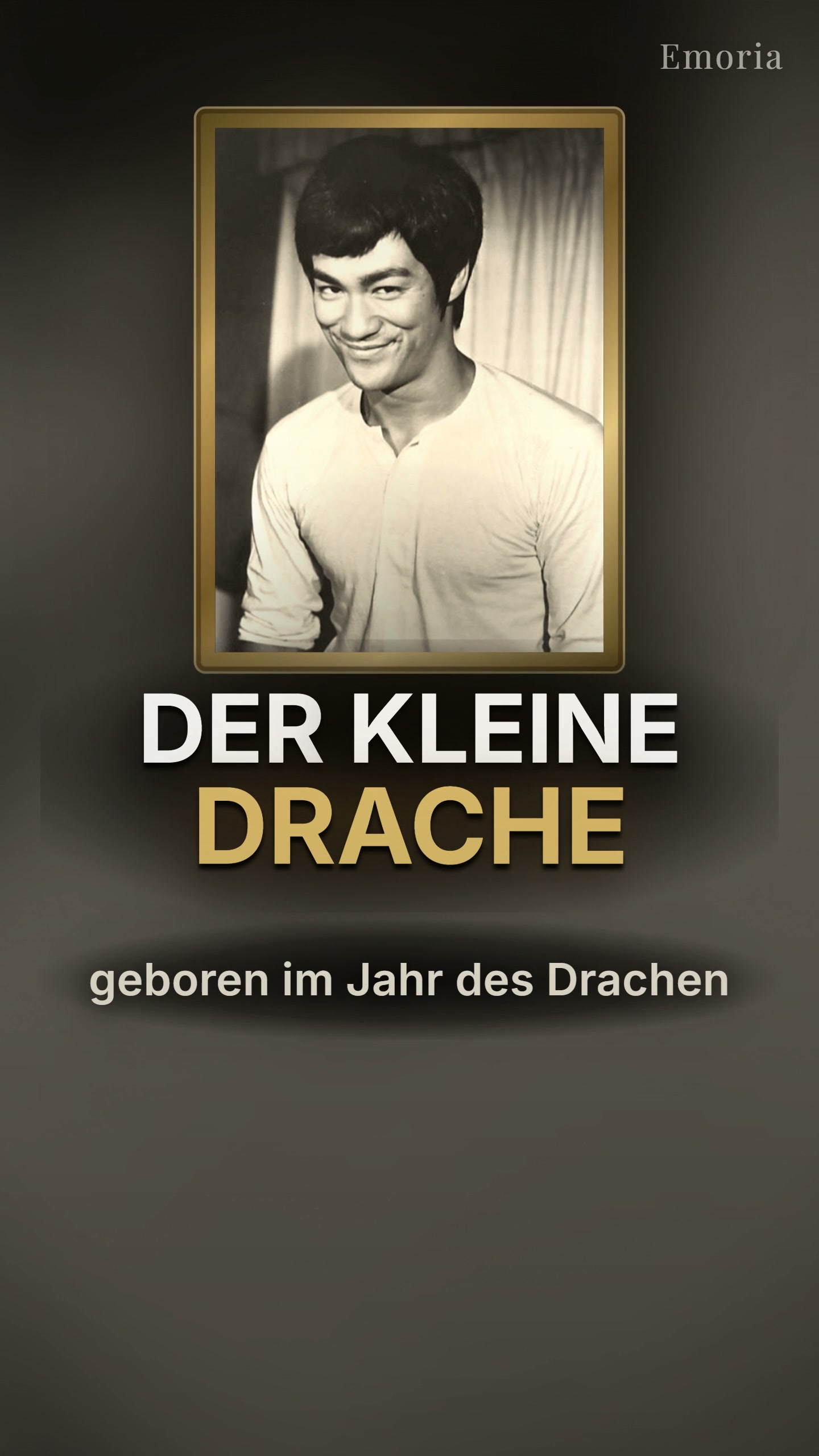
Bruce Lee (born 27 November 1940 in San Francisco; died 20 July 1973 in Hong Kong) was an actor, martial artist, director and choreographer. He was born Lee Jun-fan; he became famous under a name associated with speed, body control and a new visual language for action cinema. His career was brief on the world stage, but it changed how martial arts were shown on film and how Asian leading figures could be perceived in international cinema.

Lee was born in San Francisco and grew up in Hong Kong. His father, Lee Hoi-chuen, was a well-known Cantonese opera star, and Bruce Lee appeared on screen at an early age. As a child and teenager he acted in many Hong Kong films, often in roles that required restlessness, defiance and movement. He also trained in martial arts and dance; in 1958 he won the Hong Kong Cha-Cha Championship. That combination of rhythm, balance and precision remained visible in his later screen fighting.
In 1959 Lee moved to the United States and first lived in Seattle. He studied at the University of Washington, worked, trained and opened the Jun Fan Gung Fu Institute during those years. His teaching was not reduced to a closed tradition. Lee compared movements, rejected rigid forms and looked for direct effect. That attitude became central to his later thinking: martial art was not a set of poses, but a living process.
A demonstration at the Long Beach International Karate Tournament made Lee known in the American martial arts scene. In 1966 he played Kato in The Green Hornet. The series was short-lived, but Lee's presence remained vivid: his movements were quicker, tighter and more precise than much of what American television then showed. In 1967 he gave his own martial expression the name Jeet Kune Do, often translated as the way of the intercepting fist. It was not a rigid system, but a demand for simplicity, directness and personal expression.
Hollywood initially offered Lee few suitable leading roles. In 1971 he returned to Hong Kong and signed with Golden Harvest. The Big Boss became a major box-office success, and Fist of Fury surpassed it. In these films Lee was not only a performer with fast techniques. He brought anger, discipline, humour and moral pressure into a form audiences understood immediately. His fights were choreographed, but they did not feel decorative; they told the viewer what placed the character under pressure.
With Raymond Chow, Lee founded Concord Productions. For The Way of the Dragon he wrote, directed and starred. The famous duel with Chuck Norris in the Colosseum showed how carefully Lee controlled rhythm, space and attention. He then made Enter the Dragon, a Hong Kong and American co-production. After its release, the film became a worldwide success. It showed that action cinema did not have to treat Asian presence as scenery or support; it could be carried by an Asian leading figure.

Bruce Lee died in Hong Kong on 20 July 1973. He was 32 years old. The official cause was listed as swelling of the brain connected to a reaction to pain medication; later speculation does not change the documented shape of his work. Lee joined training, film, philosophy and body image so closely that a new idea of action emerged. His influence remains present in martial arts, popular culture, choreography and the history of Asian visibility in world cinema.
Lee Jun-fan, später weltweit bekannt als Bruce Lee, wird in San Francisco geboren.
Als Kind und Jugendlicher tritt Lee in Hongkonger Filmen auf.
Lee gewinnt die Hong Kong Cha-Cha Championship und verbindet Bewegung, Rhythmus und Körperkontrolle.
Lee geht in die Vereinigten Staaten und lebt zunächst in Seattle.
Lee studiert in Seattle und baut dort sein Training weiter aus.
Während seiner Universitätszeit gründet Lee ein eigenes Trainingsinstitut.
Bei einem Karate-Turnier in Long Beach macht Lee mit einer Vorführung auf sich aufmerksam.
Bruce Lee heiratet Linda Emery.
Als Kato wird Lee im amerikanischen Fernsehen bekannt.
Lee prägt den Namen Jeet Kune Do für seine eigene Kampfkunst und Philosophie.
Eine kurze, markante Filmrolle zeigt Lee einem breiteren Kinopublikum in den USA.
Lee findet in Hongkong die Filmrollen, die ihm Hollywood zunächst nicht gab.
Der Film wird in Hongkong und Asien ein großer Erfolg.
Lee bestätigt seinen Kassenerfolg und prägt das moderne Kung-Fu-Kino weiter.
Mit Raymond Chow gründet Lee eine eigene Produktionsfirma.
Lee schreibt, inszeniert und spielt den Film, dessen Kolosseum-Duell berühmt wird.
Bruce Lee stirbt im Alter von 32 Jahren in Hongkong.
Der Film erscheint in Hongkong kurz nach Lees Tod und macht ihn weltweit zum Kinostar.
Bruce Lee wird posthum in die California Hall of Fame aufgenommen.
No obituary has been uploaded for this memorial page yet. If you are one of the loved ones and would like to upload one, you can register as the owner of this memorial page and add it afterward.
Seattle
Bruce Lee. Forever remembered.