/

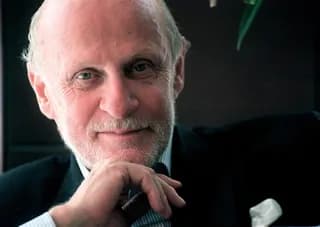
Biography of Bruno Bischofberger
1. Jan 1940 – 9. May 2026(86 years)Born in:Zürich, Bezirk Zürich
Swiss art dealer
0
Candles
0
Condolences
0
Family Tree
Biography
Occupation(3)
Bruno Bischofberger (born 1940 in Zurich; died 9 May 2026 in Zurich) was a Swiss art dealer and gallerist. His gallery became an important European venue for Pop Art, Nouveau Réalisme, Photorealism and later for artists such as Andy Warhol, Jean-Michel Basquiat, Francesco Clemente, Miquel Barceló and Julian Schnabel. His role as a mediator between Warhol, Basquiat and Clemente in the 1980s became especially significant.

Zurich and the first gallery
Bischofberger was born in Zurich in 1940 and studied art history, archaeology and folklore in Zurich, Bonn and Munich. In 1963 he opened his first gallery in Zurich. At first he showed works including art from the École de Paris, but he soon turned toward international contemporary art. Zurich was not a peripheral position for him, but a base from which he built close connections to New York, Italy and the European art market.
Pop Art, Warhol and Interview
From the mid-1960s onward Bischofberger showed Pop Art, Nouveau Réalisme, Minimal Art and related positions. In 1966 he met Andy Warhol. The encounter developed into a long business and trust relationship. Bischofberger became an important dealer of Warhol's work in Europe and was more than a seller. In 1969 he supported Warhol in launching Interview magazine, which linked art, fashion, film, music and celebrity in a new way.
Portraits and market instinct
Part of Bischofberger's importance lay in his instinct for intersections: art and public life, work and image, studio and market. With Warhol he encouraged the idea of commissioned portraits, operating in a field where artistic production, social networks and economic value were closely intertwined. This closeness to the market made him influential and also made him a figure through whom questions of power, taste and mediation in the art world could be discussed.
Basquiat and the collaborations of the 1980s
In the early 1980s Bischofberger also became important for Jean-Michel Basquiat. His gallery showed Basquiat early in Europe, and Bischofberger became his dealer. In 1984 he brought Warhol, Basquiat and Francesco Clemente together for collaborative works. The cooperation was not only a market project; it captured a moment in which generations, styles and scenes met: Warhol's Pop experience, Basquiat's raw sign energy and Clemente's painterly world.
Collector, gallery and Männedorf
Alongside his work with individual artists, Bischofberger built a large collection that included art, design, photography and everyday objects. His gallery remained active for decades and in 2009 moved to Männedorf on Lake Zurich, into a building complex designed by Ettore Sottsass. That place also suited his way of working: art was not only hung, but embedded in rooms, relationships and stories.
Farewell
Bruno Bischofberger died in Zurich on 9 May 2026 at the age of 86. His name remains connected with an art trade that worked close to artists, collectors and images, and in doing so helped shape art history itself. Anyone speaking about Warhol's European reception, Basquiat's early market or the artist friendships of the 1980s almost inevitably encounters Bischofberger's role.
Life Events
2 Events1940
Born in Zürich, Bezirk Zürich
2026