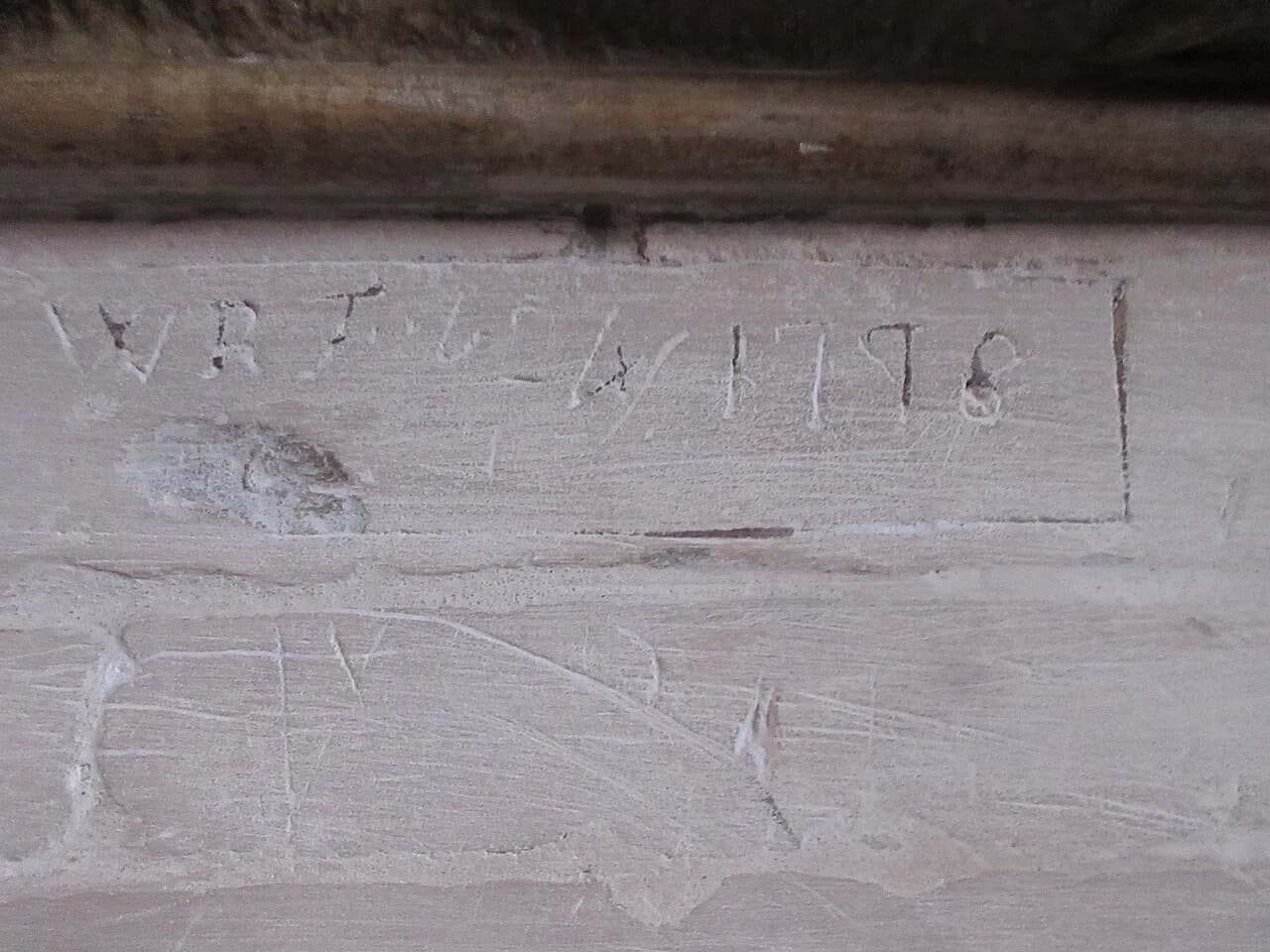
Westminsterabtei
City of Westminster
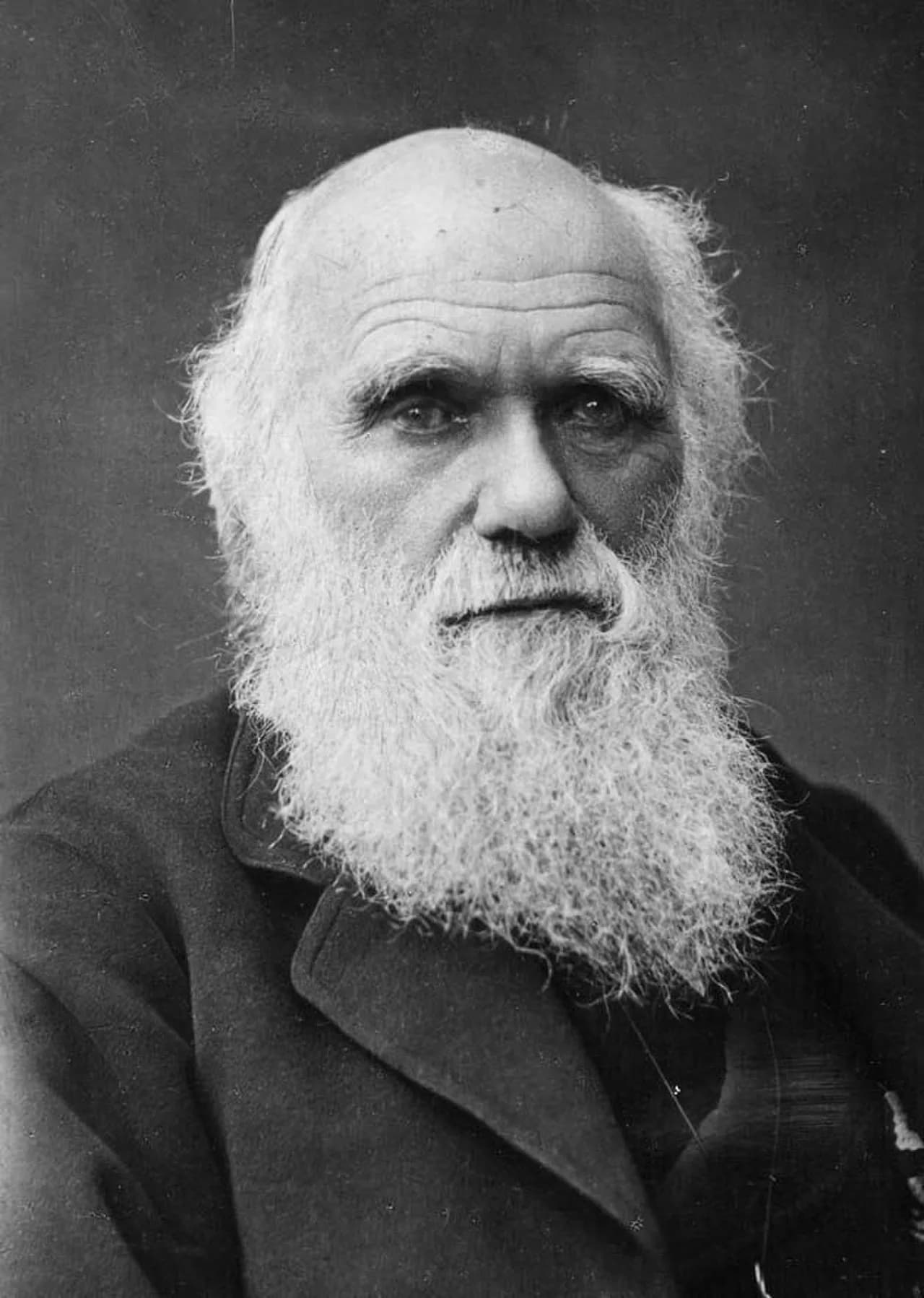
English naturalist and biologist
1 candle
Emoria lights a memorial candle in remembrance of Charles Darwin.
Emoria
April 19th, 2026
0 Entries
40 memories

Anniegrave

Charles Galton Darwin

Geospiza parvula

Large Ground-finch (Geospiza magnirostris), one of Darwin's finches. Charles and Chatham Islands, Galapagos Archipelago.

Emma and Leonard Darwin

Headstone of Anne Elizabeth Darwin

Annie Darwin, daughter of Charles and Emma Darwin. Daguerrotype taken in 1849.

Emma Darwin

Albumen carte-de-visite of Charles Darwin

Charles-darwin-portrait-sitting-on-chair-sketch

Charles-Darwin-portrait-standing-photo-1881

Charles Darwin statue 5665r
Charles Darwin (born 12 February 1809 in Shrewsbury; died 19 April 1882 at Down House, Kent) was a British naturalist. His theory of evolution by natural selection changed biology, natural history and the modern understanding of species. Darwin was not a quick announcer of a single idea. His work grew from collecting, observing, doubting, correspondence and decades of testing evidence.

Darwin was born into a prosperous and educated family. His father, Robert Darwin, was a physician, and his grandfather Erasmus Darwin had himself speculated about development and life. Charles first began medical studies in Edinburgh, but did not find his place there. In Cambridge he was expected to prepare for a clerical career. What mattered instead was his growing interest in natural history, geology, beetles, plants and scientific observation.
At the end of 1831 Darwin went aboard the HMS Beagle. The voyage lasted almost five years and took him to South America, islands in the Atlantic and Pacific, Australia and back to England. Darwin collected fossils, animals, plants and geological impressions. The crucial matter was not one famous observation alone, but many comparisons: related species in different places, extinct animals beside living forms, island worlds with their own variants. The voyage gave him material, but the theory emerged only later from long analysis.
After returning in 1836, Darwin became a researcher who worked above all through notebooks, experiments and letters, first in London and later at Down House. From 1837 and 1838 he began forming ideas about the transformation of species and natural selection. The central idea was that living things vary, that some differences are heritable, and that environment, competition and reproduction can determine which variants persist over generations. Darwin knew how contentious this theory would be and did not publish it as a full book for many years.

In 1858 Darwin received a manuscript from Alfred Russel Wallace, who had independently reached similar ideas about natural selection. Papers by both men were then presented to the Linnean Society. In 1859 Darwin published On the Origin of Species. The book did not rely on one proof, but on many lines of evidence: breeding, variation, geographical distribution, fossils, adaptation and kinship. It presented species not as fixed units, but as results of long processes.

Reactions to Darwin's book were intense, but not uniform. Some opponents saw religious and philosophical certainties under threat; other scientists found in Darwin's arguments a new foundation for biology. Darwin himself continued to work on plants, variation, domestication, sexual selection and human ancestry. With The Descent of Man in 1871, he made explicit what was already implied by the origin of species: humans too belong within natural history and do not stand outside biological development.
Charles Darwin died at Down House on 19 April 1882. He was 73 years old and was buried in Westminster Abbey. His work endured because it did not merely state one thesis, but changed a way of researching: species, bodies, behavior and kinship could now be explained historically. Modern evolutionary biology has extended and corrected Darwin, especially through genetics and molecular biology. The core of his achievement remains clear: he made change itself a subject of biological explanation.
Charles Robert Darwin wird in Shrewsbury, England, geboren.
Darwin beginnt ein Medizinstudium an der University of Edinburgh, wendet sich aber bald stärker Naturgeschichte zu.
Darwin studiert in Cambridge und knüpft Kontakte, die später zur Beagle-Reise führen.
Darwin bricht als Naturforscher an Bord der HMS Beagle zu einer Weltreise auf.
Nach fast fünf Jahren kehrt Darwin mit Notizen, Fossilien und Sammlungen zurück.
Charles Darwin heiratet Emma Wedgwood; das Paar lebt später mit der Familie in Down House.
Darwin skizziert seine Theorie der natürlichen Selektion, veröffentlicht sie aber noch nicht.
Arbeiten von Darwin und Alfred Russel Wallace zur natürlichen Selektion werden vor der Linnean Society vorgestellt.
Darwin veröffentlicht sein Hauptwerk über Evolution durch natürliche Selektion.
Charles Darwin stirbt im Alter von 73 Jahren in Down House in Kent.
No obituary has been uploaded for this memorial page yet. If you are one of the loved ones and would like to upload one, you can register as the owner of this memorial page and add it afterward.
City of Westminster
Charles Darwin (née Charles Robert Darwin). Forever remembered.