
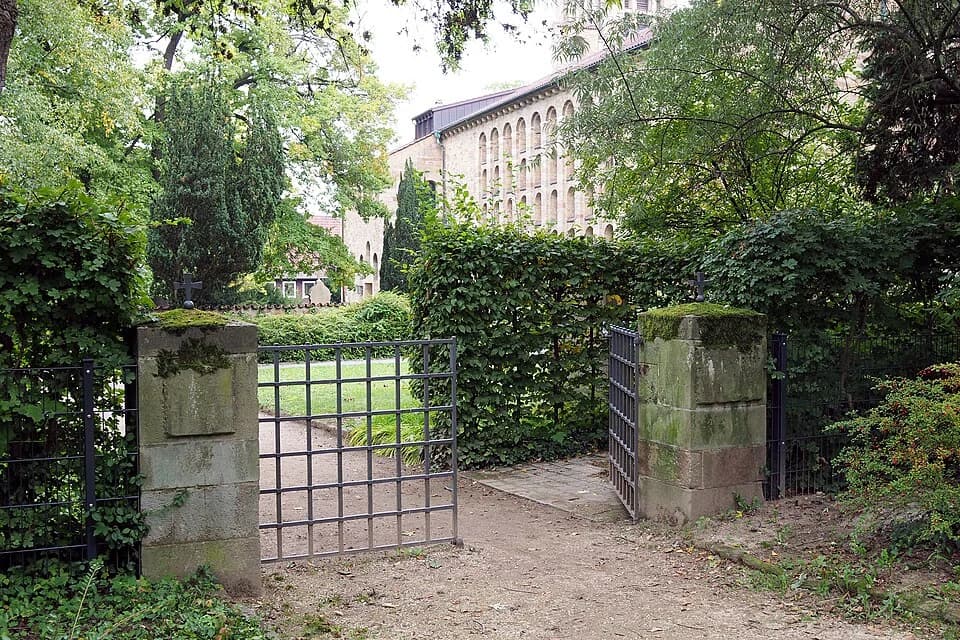
Alter Friedhof Speyer
Speyer
Chancellor of West Germany and reunified Germany
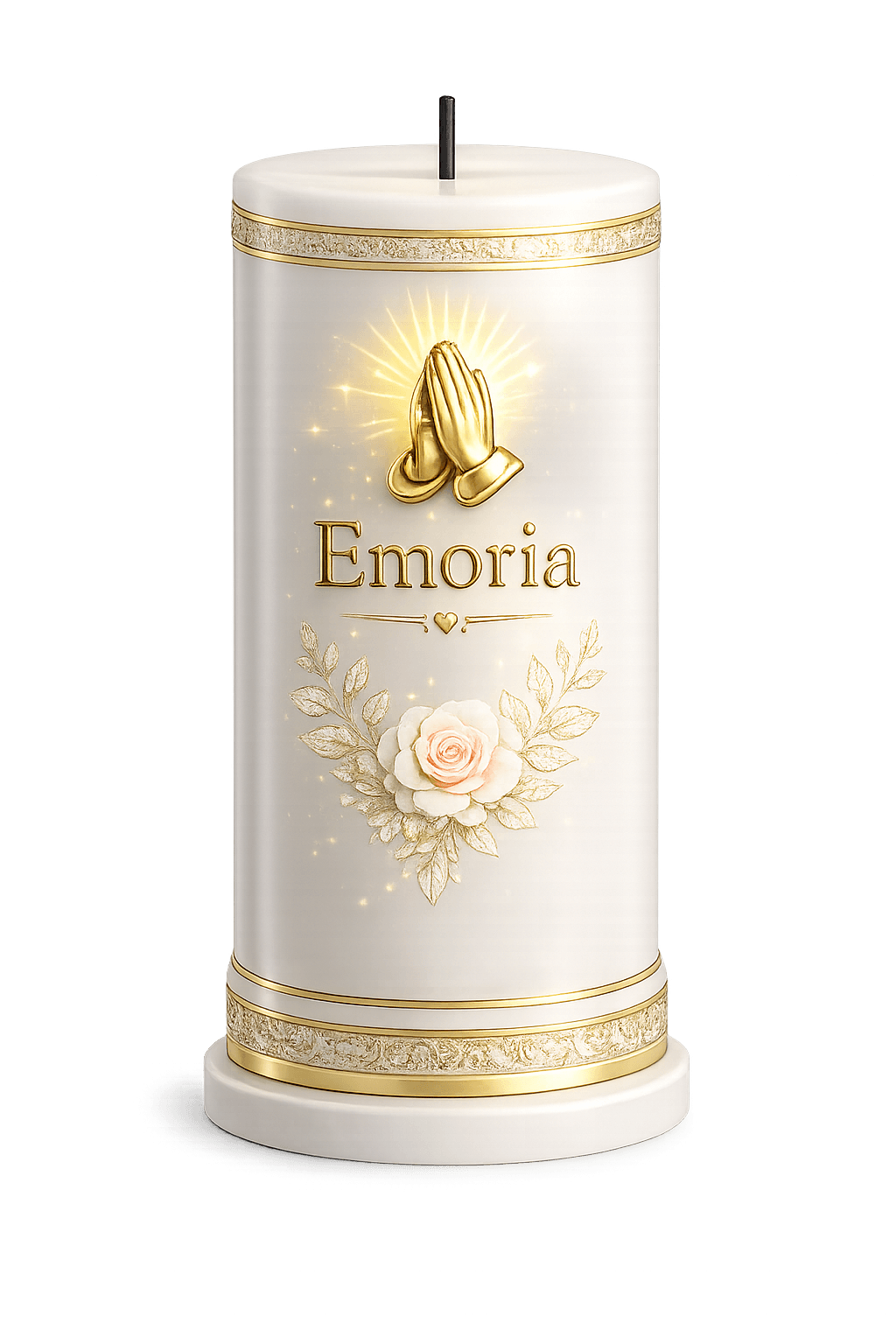
Emoria lights a memorial candle in remembrance of Helmut Kohl.
Emoria
June 16th, 2026
Emoria lights a memorial candle for Helmut Kohl's birthday.
Emoria
April 3rd, 2026
0 Entries
Be the first to share a memory.
Helmut Kohl (born 3 April 1930 in Ludwigshafen am Rhein; died 16 June 2017 in Ludwigshafen) was a Christian Democratic politician and chancellor of the Federal Republic of Germany from 1982 to 1998. He governed longer than any other chancellor of the Federal Republic and became especially known as the Chancellor of Unity. Under his leadership Germany completed reunification in 1990. At the same time, Kohl closely tied German policy to European integration, the Maastricht Treaty and the path toward the euro. His career stands for historic political achievement, but also for disputes over his style of power, the costs of unity and the CDU donations scandal.
Kohl was born in Ludwigshafen into a Roman Catholic family. The experience of war in his youth and the destruction of his home city shaped his political thinking. He later spoke of the grace of a late birth: he was too young to have to fight in the war, but old enough to experience the consequences of dictatorship, nationalism and destruction. He became active early in the Junge Union and the CDU. After completing school, he studied history, law and political science in Frankfurt am Main and Heidelberg and earned his doctorate in 1958.
In 1959 Kohl was elected to the Rhineland-Palatinate state parliament. He rose quickly in state politics and became minister-president on 19 May 1969. At 39 he was one of the youngest heads of government of a German state. In Rhineland-Palatinate, traits that later marked his federal politics were already visible: organisational strength, close party ties, a sense for power and a long view of institutions. In 1973 he became federal chairman of the CDU.
In 1976 Kohl moved to the Bundestag and became chairman of the CDU/CSU parliamentary group. On 1 October 1982 he was elected chancellor after a constructive vote of no confidence against Helmut Schmidt. This change of government was historic in the Federal Republic because it did not directly result from a federal election. In 1983 voters confirmed the new coalition of CDU/CSU and FDP. Kohl relied on Western alliances, economic consolidation and a conservative-liberal governing line that lasted through several elections.
In 1989 Europe changed at great speed. Protests grew in East Germany, the Berlin Wall fell on 9 November, and the question of German unity suddenly became practical. Kohl responded on 28 November 1989 with a ten-point plan. He connected German unity with integration into Europe and Western alliances. That was politically decisive because neighbours and allies could only trust a larger Germany if it remained firmly embedded in European structures.
On 3 October 1990 German reunification was completed. In the months before, Kohl had worked with Western allies, the Soviet Union and the East German government for a rapid settlement. For many people he thereby became the symbol of unity. The political success was immense, but the practical task was difficult. Economic and social convergence in eastern Germany cost more, lasted longer and proved more painful than many promises of the early 1990s had suggested.
Kohl did not understand German unity as a national solo project. For him it belonged to European integration. In the 1990s he pushed for a deepening of the European Union, supported the Maastricht Treaty and the path toward a common currency. Cooperation with France remained especially central. In 1998 Kohl was named Honorary Citizen of Europe, a rare distinction previously granted only to Jean Monnet. His European policy aimed at peace, embedded power and a lasting order after the Cold War.
After 16 years as chancellor, Kohl lost the 1998 federal election to Gerhard Schröder. Soon afterwards the CDU donations scandal became public. It concerned illegal party donations and hidden accounts; Kohl refused to name donors and resigned from party offices. The scandal damaged his political authority and also strained his relationship with Angela Merkel, who publicly distanced herself from him. This rupture belongs beside the major historical achievements of his chancellorship.
In his later years Kohl was in poor health. After a fall in 2008 he appeared in public less often. He remained, however, a symbolic figure of German and European politics. On 16 June 2017 Helmut Kohl died in Ludwigshafen. Reactions especially honoured his role in German unity and European integration, while also remembering the contradictions of his political life.
Helmut Kohl's legacy lies in two large lines: German unity and Germany's European embeddedness. In 1989 and 1990 he used a historic window with determination. At the same time, the social costs of unity, his power-conscious leadership style and the donations scandal remain part of the picture. Kohl was not a flawless statesman, but he was one whose decisions changed the map of Europe. His life shows how much history depends on moments when political will, international circumstances and personal determination come together.
Helmut Josef Michael Kohl wird in Ludwigshafen am Rhein geboren.
Kohl wird mit 39 Jahren Ministerpräsident von Rheinland-Pfalz.
Nach einem konstruktiven Misstrauensvotum gegen Helmut Schmidt wird Kohl zum Bundeskanzler gewählt.
Kohl legt im Bundestag seinen Plan für eine schrittweise Annäherung der beiden deutschen Staaten vor.
Die deutsche Wiedervereinigung wird vollzogen; Kohl wird Kanzler des vereinten Deutschlands.
Die Staats- und Regierungschefs der EU ernennen Kohl zum Ehrenbürger Europas.
Helmut Kohl stirbt im Alter von 87 Jahren in Ludwigshafen.
No obituary has been uploaded for this memorial page yet. If you are one of the loved ones and would like to upload one, you can register as the owner of this memorial page and add it afterward.
Speyer
Helmut Kohl (née Helmut Josef Michael Kohl). Forever remembered.