
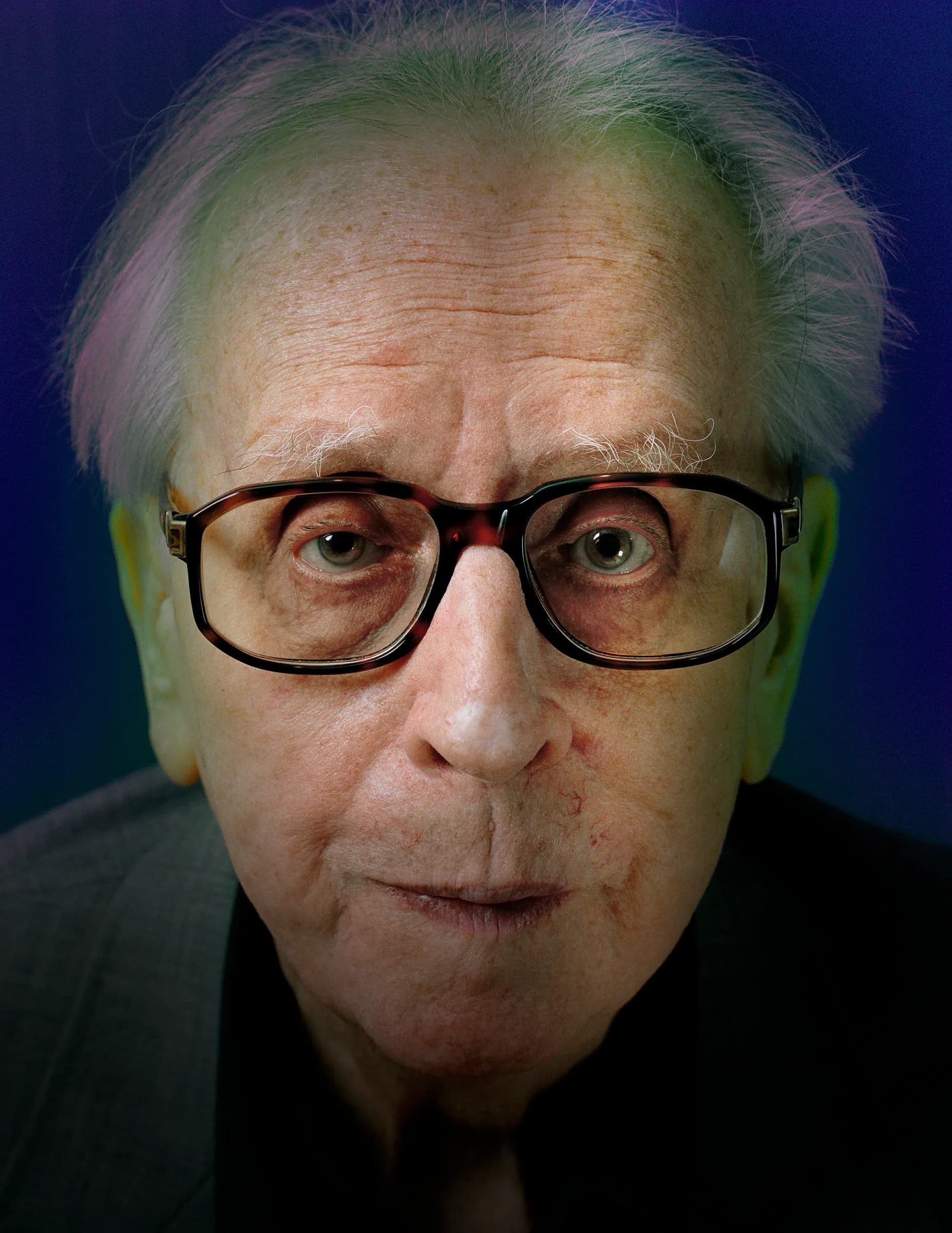
Memorial Page for Johannes Mario Simmel
Austrian writer
Memorial Candles
1 candle
Emoria lights a memorial candle for Johannes Mario Simmel's birthday.
Emoria
April 7th, 2026
Condolence Book
0 Entries
Memories
No memories shared yet
Be the first to share a memory.
Biography
Johannes Mario Simmel (born 7 April 1924 in Vienna; died 1 January 2009 in Lucerne) was an Austrian writer, journalist and screenwriter. He was one of the most widely read German-language authors of the twentieth century and combined popular fiction, contemporary history and social issues.
Origins and early years
Simmel was born in Vienna to parents from Hamburg. His father Walter Simmel was of Jewish origin, and parts of the family experienced persecution and loss under National Socialism. Simmel grew up in Austria and England and later trained as a chemical engineer. During the Second World War he worked in research; after the war he worked, among other roles, as a translator for the American military administration.
Journalism and screenwriting
After 1945 Simmel began as a journalist in Vienna and published criticism, stories and early literary texts. Later he worked for the Munich illustrated magazine Quick and wrote reports from Europe and America. At the same time he wrote many screenplays. This journalistic training remained visible in his novels: many books combine research, pace, concrete settings and current politics.
Bestsellers with contemporary questions
With Es muss nicht immer Kaviar sein, published in 1960, Simmel achieved one of his greatest successes. The spy novel about Thomas Lieven was read internationally, adapted for film and television, and became a title known far beyond the book itself. Further novels such as Und Jimmy ging zum Regenbogen, Der Stoff, aus dem die Träume sind and Hurra, wir leben noch made him an author whose books sold in the millions.
Popular and contested
Simmel's success was long viewed sceptically by literary critics. His novels were broad in scope, emotional, direct in narration and often plainly moral. At the same time he addressed subjects that concerned many readers: the Cold War, National Socialism, biological weapons, drug trafficking, environmental destruction, genetic engineering and social responsibility. His popularity also rested on translating political anxiety into accessible stories.
Recognition and later years
Simmel's books reached many millions of copies and were translated into numerous languages. He received honours in Austria and Germany, including the Hermann Kesten Prize and high state decorations. In his later years he lived in Switzerland. Despite criticism of the bestseller format, his work increasingly came to be seen as part of the literary and media history of the postwar period.
Farewell
Johannes Mario Simmel died in Lucerne on 1 January 2009. He was 84 years old. His memory is linked with popular novels that brought social anxiety, moral questions and the pleasure of storytelling into a form that reached a large public.
Life Events
2 EventsGeboren in Wien
1924Johannes Mario Simmel wird in Wien geboren.
Gestorben in Luzern
2009Johannes Mario Simmel stirbt im Alter von 84 Jahren in Luzern.
Obituary
No obituary yet
No obituary has been uploaded for this memorial page yet. If you are one of the loved ones and would like to upload one, you can register as the owner of this memorial page and add it afterward.
Family Tree
- Walter Simmel
Johannes Mario Simmel. Forever remembered.