/

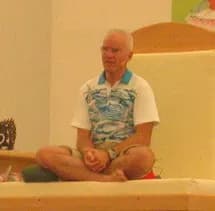
Biography of Ole Nydahl
19. Mar 1941 – 18. May 2026(85 years)Died in:Immenstadt im Allgäu, Landkreis Oberallgäu
Danish lama
1
Candles
0
Condolences
1
Family Tree
Biography
Spouse(1)
Ole Nydahl (born 19 March 1941 north of Copenhagen; died 18 May 2026 at the Europe Center near Immenstadt im Allgäu, Germany) was a Danish Buddhist teacher in the Karma Kagyu lineage. Together with his wife Hannah Nydahl, he brought Diamond Way Buddhism to many Western countries and, according to his organisation, founded hundreds of centres for lay practitioners. For many people he was a formative teacher, while his public style, political statements and role within the Karma Kagyu tradition also made him controversial.
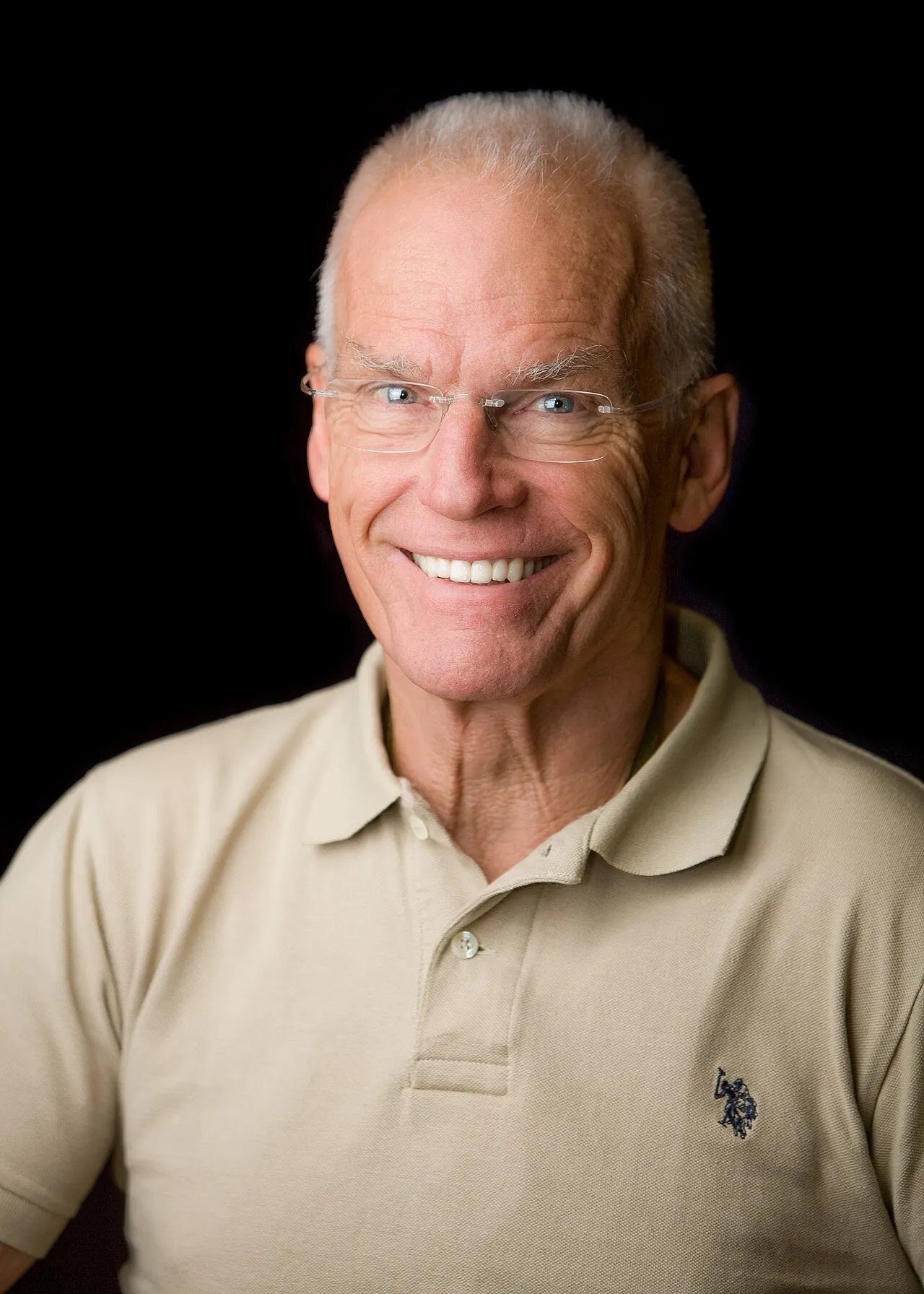
Background and encounter with Buddhism
Nydahl grew up in Denmark and studied philosophy, English and German in Copenhagen, Tübingen, Munich and the United States. In 1968 he travelled to Nepal with Hannah on their honeymoon. There they met Lopön Tsechu Rinpoche; in 1969 they met the 16th Gyalwa Karmapa Rangjung Rigpe Dorje, head of the Karma Kagyu school. These meetings became a turning point in their lives. Travellers became students, translators and later mediators of a Tibetan Buddhist lineage in the West.
Hannah Nydahl and the work in the West
On 23 October 1972 Ole and Hannah Nydahl had an audience with Queen Margrethe II of Denmark. They brought a letter from the 16th Karmapa presenting them as his students and representatives. Diamond Way regards this date as the beginning of its Western work. In the following years Ole and Hannah Nydahl organised lecture tours by Tibetan teachers, built centres and translated meditation practices and teachings into Western languages and forms of life.
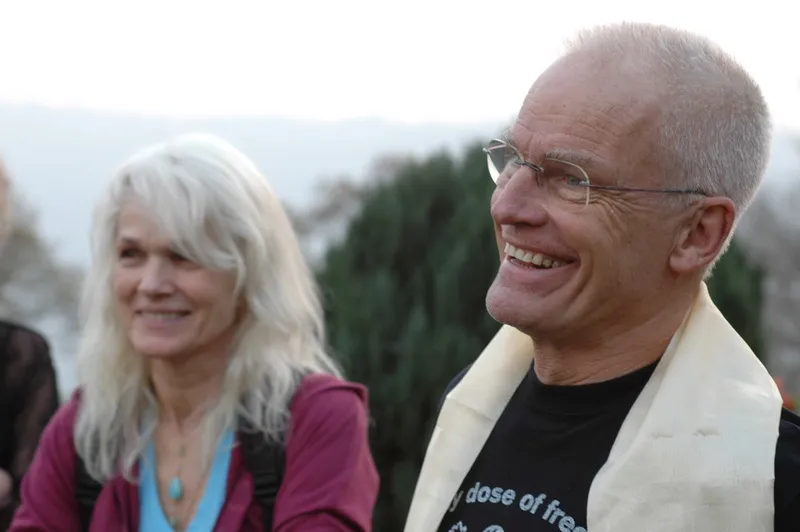
Diamond Way Buddhism
Diamond Way was aimed especially at Western lay practitioners. Nydahl emphasised making meditation and Buddhist concepts accessible without lasting dependence on Tibetan language and monastic culture. His teaching areas included Mahamudra, Ngöndro, guru yoga and Phowa, the meditation of conscious dying. For decades he travelled almost continuously, giving lectures, teaching courses and visiting centres in Europe, the Americas and Asia.
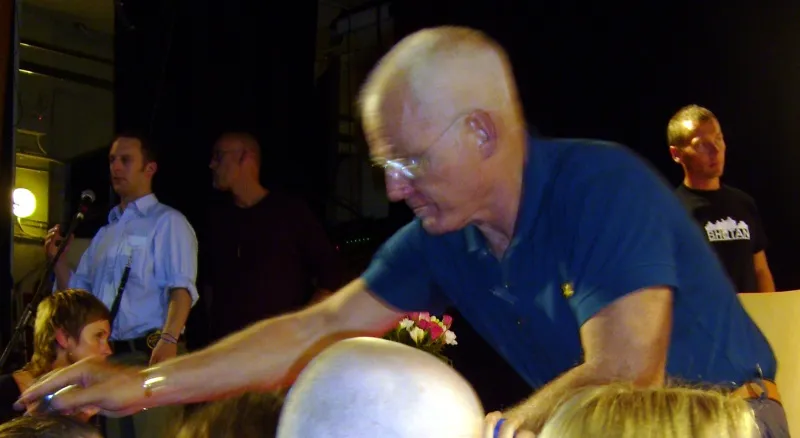
Europe Center and the Karmapa question
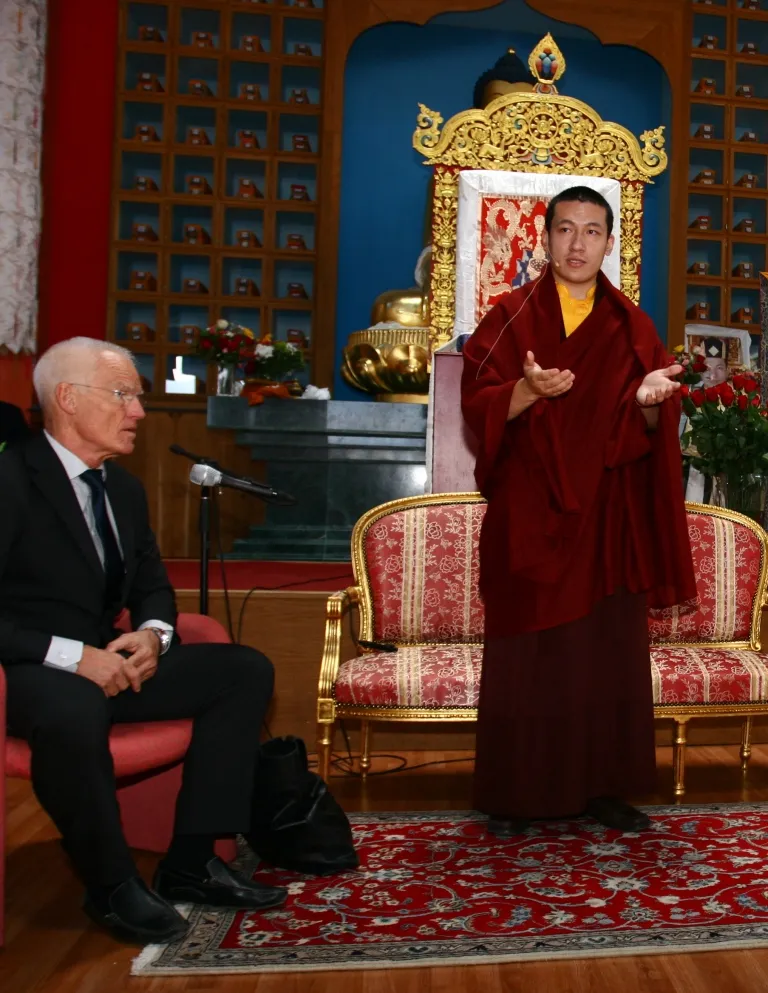
The Europe Center near Immenstadt in the Bavarian Alps became an important place for his later work. International student groups gathered there for summer courses, meditation and encounters with teachers of the lineage. At the same time, Nydahl's work was closely connected with the disputed succession of the 17th Karmapa. He supported Thaye Dorje, recognised by Shamar Rinpoche, while other parts of the Karma Kagyu school followed Ogyen Trinley Dorje. This division remained one of the difficult contexts of his public role.
Influence and criticism
Nydahl's followers valued his direct language, energy and accessible form of Buddhist practice. Academic and journalistic sources also describe him as a charismatic and controversial figure. Criticism concerned his unorthodox teaching style, questions about the title lama, his leadership role, statements about Islam and political and social positions. His public impact therefore remains double-edged: important for many practitioners, but also marked by documented conflicts around the person, the teaching and the movement.
Farewell
Ole Nydahl died on 18 May 2026 at the age of 85 at the Europe Center near Immenstadt im Allgäu. The German Buddhist Union expressed sympathy to the Buddhists of the Diamond Way. His life shows how strongly a religious movement can grow through personal presence, travel, translation and organisational force. It also shows that such influence brings questions about authority, responsibility and the limits of public religious teaching.
Life Events
2 Events1941
Born in Copenhagen, Capital Region of Denmark
2026