/


Biography of Akira Kurosawa
23. Mar 1910 – 6. Sep 1998(88 years)Died in:Seijō, Setagaya
Japanese filmmaker
1
Candles
0
Condolences
1
Family Tree
Biography
Nationality
Empire of Japan
Burial Place
An'yō-in Temple
Occupation(9)
Awards(10)
Grand Officer of the Order of Merit of the Italian RepublicKnight Grand Cross of the Order of Merit of the Italian RepublicOrder of CultureRamon Magsaysay AwardBlue Ribbon Awards for Best DirectorPraemium ImperialeOrder of Friendship of PeoplesPerson of Cultural MeritPeople's Honour AwardAsahi Prize
Spouse(1)
Akira Kurosawa (born 23 March 1910 in Tokyo; died 6 September 1998 in Tokyo) was a Japanese film director, screenwriter, producer and editor. He was one of the defining directors of the twentieth century. His films brought Japanese cinema to international attention after 1950 and influenced generations of filmmakers far beyond Japan. Kurosawa's work combines precise composition, physical movement, moral conflict and a deep interest in how people experience truth, duty, fear and dignity.
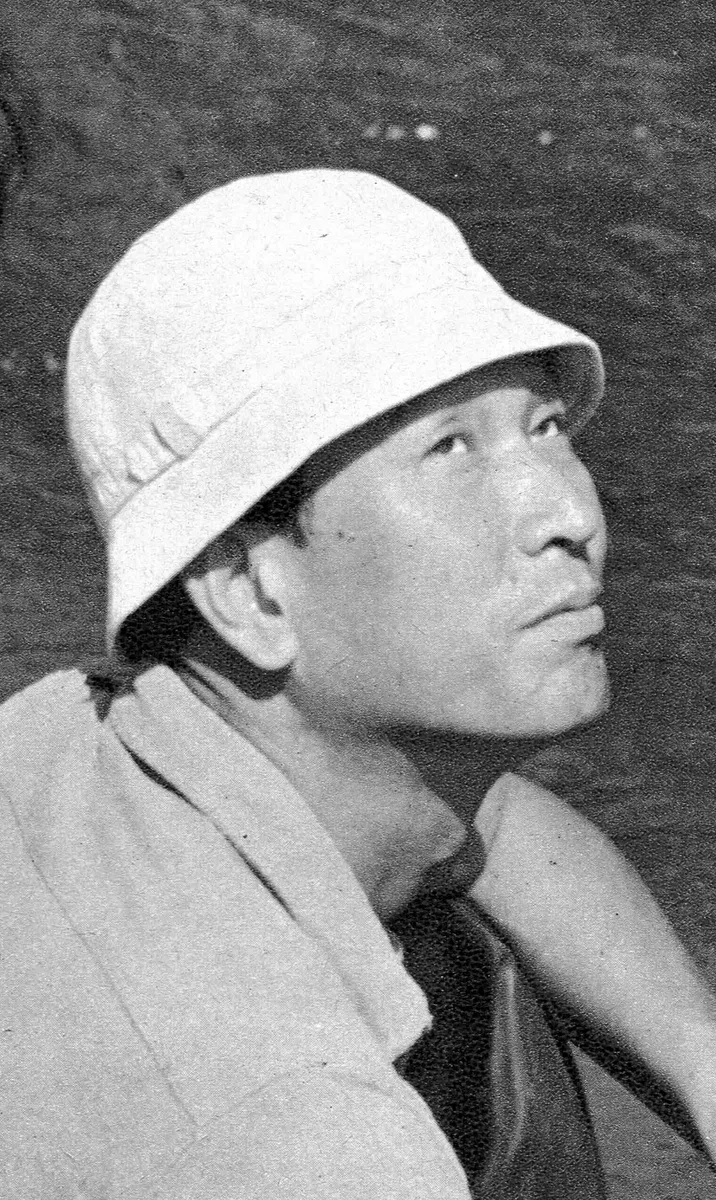
Training the eye
Kurosawa grew up in Tokyo and was first strongly drawn to painting. That background remained visible in his cinema: in the order of surfaces, in weather, light, movement and in the question of what an image can say about a character before anyone speaks. In 1936 he entered the film industry as an assistant director. He learned the craft not as theory, but on set: screenplay, editing, work with actors, rhythm and the practical decisions that turn an idea into a film.
Postwar cinema and breakthrough
With Sanshiro Sugata, Kurosawa made his directing debut in 1943. After the war he found themes that would accompany his work for decades: damaged societies, personal responsibility, shame, courage and the possibility of keeping one's bearing amid disorder. Drunken Angel made him more visible in Japan in 1948 and began his important collaboration with Toshiro Mifune. In Mifune's energy, Kurosawa found a body for many of his characters: restless, contradictory, endangered and still full of force.
Rashomon
The international breakthrough came with Rashomon. The film tells a crime through conflicting perspectives and questions not only guilt, but the certainty of memory itself. In 1951 Rashomon won the Golden Lion in Venice; the following year it received an Academy Honorary Award in the United States. For Kurosawa this meant recognition. For Japanese cinema it meant that an international audience began to look more closely.
Seven Samurai and the art of movement
Seven Samurai, released in 1954, became one of the most influential films in cinema history. Kurosawa joined a clear group story with exact social observation: farmers, fighters, fear, hunger, dignity and the cost of violence. His action felt powerful not because it was loud, but because it remained readable. Rain, dust, bodies, cuts and lines of sight guide viewers through complex scenes without losing the human situation behind them.
Historical material, modern questions
Kurosawa often drew on literature, theatre and history, but his films rarely feel remote. Throne of Blood translated Macbeth into a Japanese visual world, Yojimbo changed the tone of action cinema, and High and Low joined crime film with social tension. Even in historical settings he asked modern questions: How does power seduce? What does loyalty mean? When does courage become self-deception? And how can a person act when every order is damaged?
Breaks and late mastery
After Red Beard, the long collaboration with Mifune ended in 1965. Kurosawa's career became more difficult; Dodes'ka-den disappointed commercially in 1970. His return came with Dersu Uzala, a Soviet-Japanese production that won the Academy Award for best foreign language film in 1976. In the 1980s, Kagemusha and Ran became major late works. Ran in particular shows a director using colour, space and movement not as decoration, but as a language for power, age, blindness and loss.
Farewell
In 1990 Kurosawa received an honorary Oscar for his life's work. Three years later, Madadayo became his final completed feature film. Akira Kurosawa died in Tokyo on 6 September 1998. His influence lies not only in individual motifs that were later copied or retold. It lies in an attitude toward cinema: images must be able to think, movement must carry meaning, and great scenes remain great only when they take the people inside them seriously.
Life Events
12 Events1910
Born in Ōi, Tokyo Prefecture
1945
Married Yōko Yaguchi
until 1985
1965
Ramon Magsaysay Award
1965
Asahi Prize
1976
Person of Cultural Merit
1981
Grand Officer of the Order of Merit of the Italian Republic
1985
Order of Culture
1986
Blue Ribbon Awards for Best Director
Ran
1986
Knight Grand Cross of the Order of Merit of the Italian Republic
1992
Praemium Imperiale
1998
Died in Seijō, Setagaya (watershed stroke)
1998