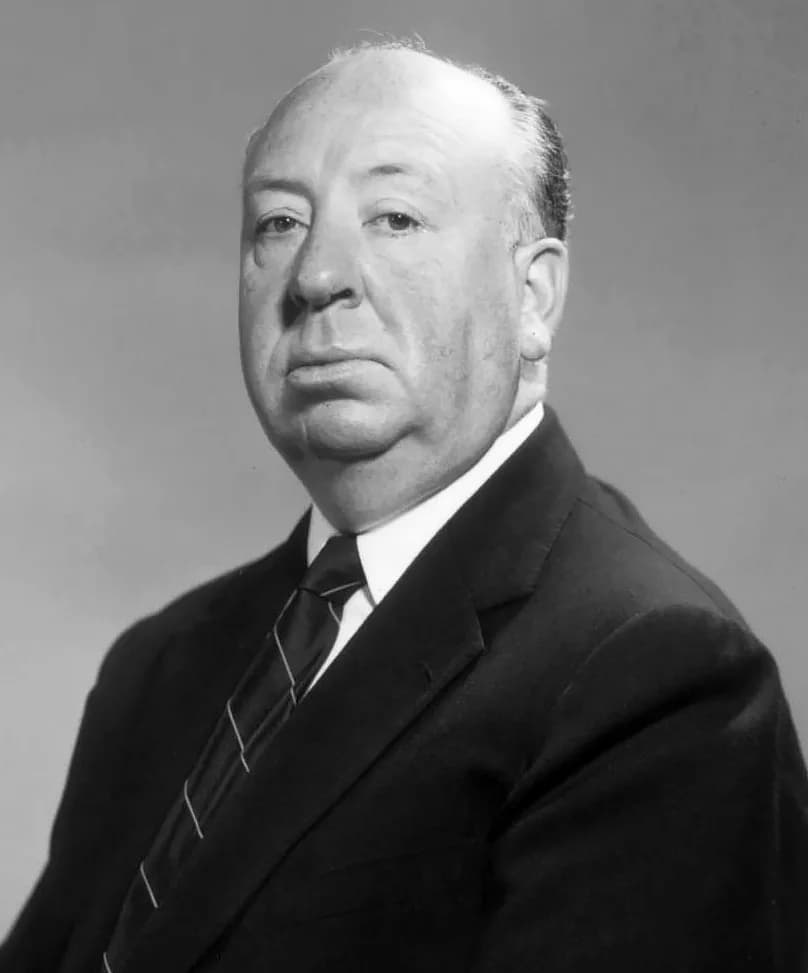
Memorial Page for Alfred Hitchcock (née Alfred Joseph Hitchcock)
British filmmaker
Memorial Candles
2 candles
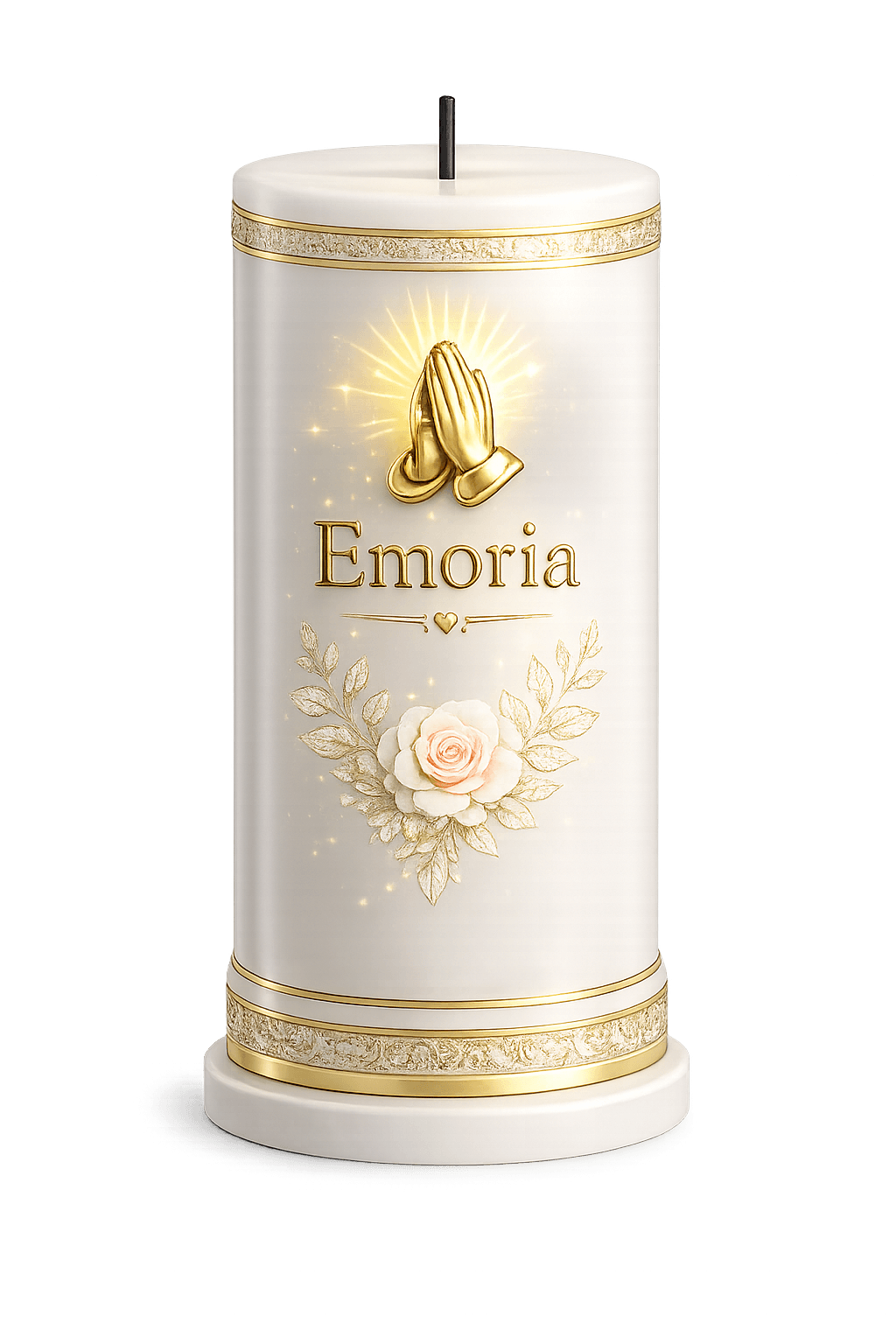
Emoria lights a memorial candle for Alfred Hitchcock's birthday.
Emoria
August 13th, 2026
Emoria lights a memorial candle in remembrance of Alfred Hitchcock.
Emoria
April 29th, 2026
Condolence Book
0 Entries
Memories
11 memories

Alfred Hitchcock and Jane Wyman arrive in New York Harbor

Alfred-Hitchcock-1968

Alfred Hitchcock & Tippi Hedren publicity photo for the film Marnie, 1964, Photographer: Bob Willoughby

Photo of Alfred Hitchcock on the set of his new television program, Alfred Hitchcock Presents.

Alfred Hitchcock by Jack Mitchell

Studio publicity photo of Alfred Hitchcock.

Estrella del Passeig de la Fama.

Alfred Hitchcock, head-and-shoulders portrait, facing right

Hitchcock-PD2

Hitchcock-PD

Alfred Hitchcock and Dorothy Lamour at the Stork Club, ca. 1950
Biography
Alfred Hitchcock (born 13 August 1899 in London; died 29 April 1980 in Bel Air, Los Angeles) was a British-American film director, producer and television host. He became known as the Master of Suspense because he created tension not only from danger, but from looks, knowledge, delay, guilt and audience expectation. Films such as The Lodger, The 39 Steps, Rebecca, Rear Window, Vertigo, North by Northwest, Psycho and The Birds remain defining works in film history.

London and silent film
Hitchcock grew up in a Catholic family in East London. After technical training and early work in advertising and graphics, he entered the film business in the early 1920s. He worked on title cards, design, scripts and production routines before directing himself. This workshop background remained important: Hitchcock did not think of film as mere storytelling, but as exact construction made of image, editing, space, object and audience knowledge.
British thrillers
With The Lodger in 1927, Hitchcock first clearly found the territory that would make him famous: suspicion, false identity, fear of pursuit and the innocent person caught in a web of looks and clues. In the 1930s came films such as The Man Who Knew Too Much, The 39 Steps and The Lady Vanishes. They connected speed, wit and threat. Hitchcock learned to intensify suspense not through constant action, but through what the audience knows before the characters do.
Hollywood
In 1939 Hitchcock moved to the United States. His first Hollywood film, Rebecca, became a major success and won the Academy Award for best picture, although Hitchcock himself never won the directing Oscar. Over the following decades he worked within the studio system while maintaining an unusually personal signature. Notorious, Strangers on a Train, Dial M for Murder and Rear Window show how strongly he was interested in spaces: apartments, trains, staircases, windows, hotels and stages in which people are watched, trapped or entangled.

Self-staging and television
Hitchcock made himself a brand. His silhouette, cameo appearances, dry television introductions and deliberately macabre humor all belonged to his public image. With Alfred Hitchcock Presents he became a television presence in the 1950s as well. This self-staging was not incidental. It helped sell his name as a promise: viewers expected controlled fear, elegant cruelty and a twist that often revealed more about the audience than about the characters.
Vertigo, Psycho and control of the gaze
In Vertigo, Hitchcock compressed obsession, deception and male projection into a film that was initially received unevenly and later came to be regarded as a masterpiece. North by Northwest turned pursuit and mistaken identity into large-scale screen adventure. Psycho changed suspense cinema in 1960: it removed a central character early, used shock, editing and music, and forced audiences to reconsider their safety in the cinema. Hitchcock understood that fear lies not only in the image, but in when the image arrives and what one believes one already knows.

Power, actresses and criticism
Hitchcock's work cannot be understood without his control over images. That now includes a more critical view of his control over people. Tippi Hedren, star of The Birds and Marnie, later made serious allegations against him, including sexual assault, threats and professional retaliation. Some Hitchcock experts have disputed or reinterpreted details of her account, but the debate has changed how his late work is seen. The films remain important, but power relations on set and the treatment of women cannot disappear behind admiration for form.
Farewell
Alfred Hitchcock died in Bel Air on 29 April 1980. He was 80 years old. Shortly before his death, his appointment as Knight Commander of the Order of the British Empire had been announced. His legacy remains double: a body of work of enormous formal precision and popularity, and a person whose authority is now read more critically. Hitchcock taught cinema how suspense is built. Remembering him also means telling the costs of that control.
Life Events
19 EventsGeboren in London
1899Alfred Joseph Hitchcock wird in Leytonstone im Osten Londons geboren.
Einstieg ins Filmgeschäft
1920Hitchcock arbeitet in London zunächst an Zwischentiteln und Produktionsaufgaben für Stummfilme.
Erster Spielfilm
1925Mit The Pleasure Garden führt Hitchcock erstmals bei einem Langfilm Regie.
Heirat mit Alma Reville
1926Hitchcock heiratet die Cutterin, Drehbuchautorin und enge Mitarbeiterin Alma Reville.
The Lodger
1927The Lodger macht Hitchcock in Großbritannien als Regisseur von Spannungskino sichtbar.
Blackmail
1929Blackmail erscheint und wird zu einem frühen Schlüsselwerk des britischen Tonfilms.
The 39 Steps
1935Mit The 39 Steps verbindet Hitchcock Thriller, Fluchtgeschichte, Ironie und Tempo.
The Lady Vanishes
1938Der Erfolg von The Lady Vanishes beschleunigt Hitchcocks Weg nach Hollywood.
Rebecca in den USA
1940Hitchcocks erster Hollywoodfilm Rebecca kommt in die Kinos und gewinnt später den Oscar als bester Film.
Rear Window
1954Rear Window zeigt Hitchcocks Meisterschaft in Blick, Raum, Voyeurismus und Suspense.
Alfred Hitchcock Presents
1955Hitchcock wird durch seine Fernsehauftritte selbst zu einer wiedererkennbaren Marke.
Vertigo
1958Vertigo erscheint und wird später als eines seiner wichtigsten Werke neu bewertet.
North by Northwest
1959North by Northwest verbindet Spionage, Komödie, Verfolgung und ikonische Bildideen.
Psycho
1960Psycho startet in den USA und verändert das Verhältnis von Thriller, Horror und Publikumserwartung.
The Birds
1963The Birds erscheint und wird zu einem seiner berühmtesten späten Filme.
Thalberg Award
1968Hitchcock erhält den Irving G. Thalberg Memorial Award der Academy.
AFI Life Achievement Award
1979Das American Film Institute würdigt Hitchcock für sein Lebenswerk.
Ritterschlag angekündigt
1979Hitchcock wird als Knight Commander of the Order of the British Empire ausgezeichnet.
Gestorben in Bel Air
1980Alfred Hitchcock stirbt im Alter von 80 Jahren in Bel Air, Los Angeles.
Obituary
No obituary yet
No obituary has been uploaded for this memorial page yet. If you are one of the loved ones and would like to upload one, you can register as the owner of this memorial page and add it afterward.
Family Tree
- Alma Reville
- William Hitchcock
- Patricia Hitchcock
Alfred Hitchcock (née Alfred Joseph Hitchcock). Forever remembered.