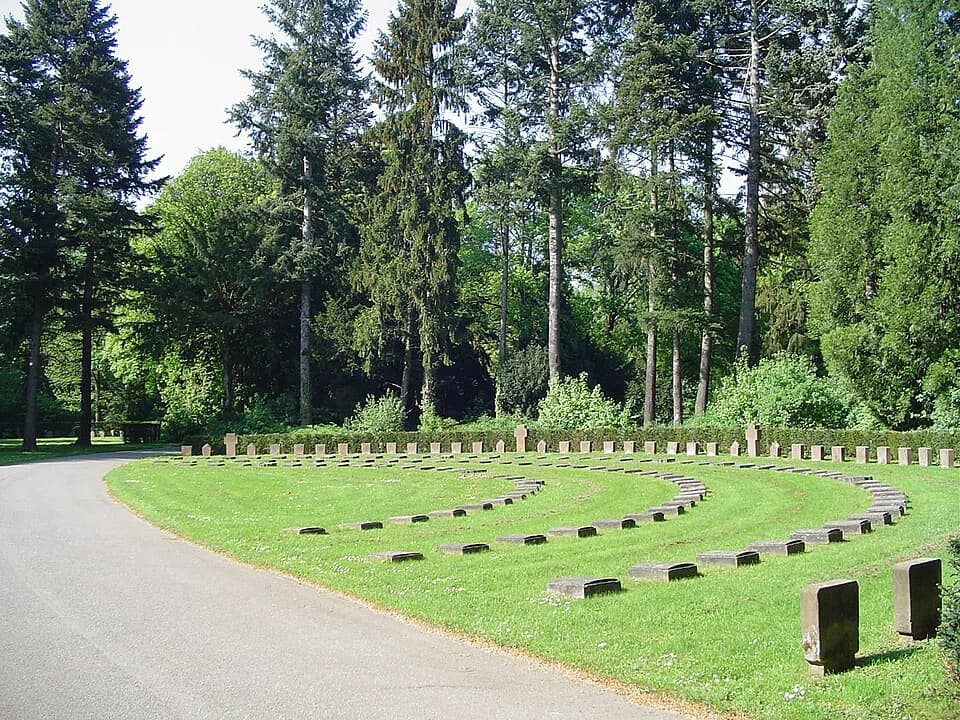
Südfriedhof
Köln

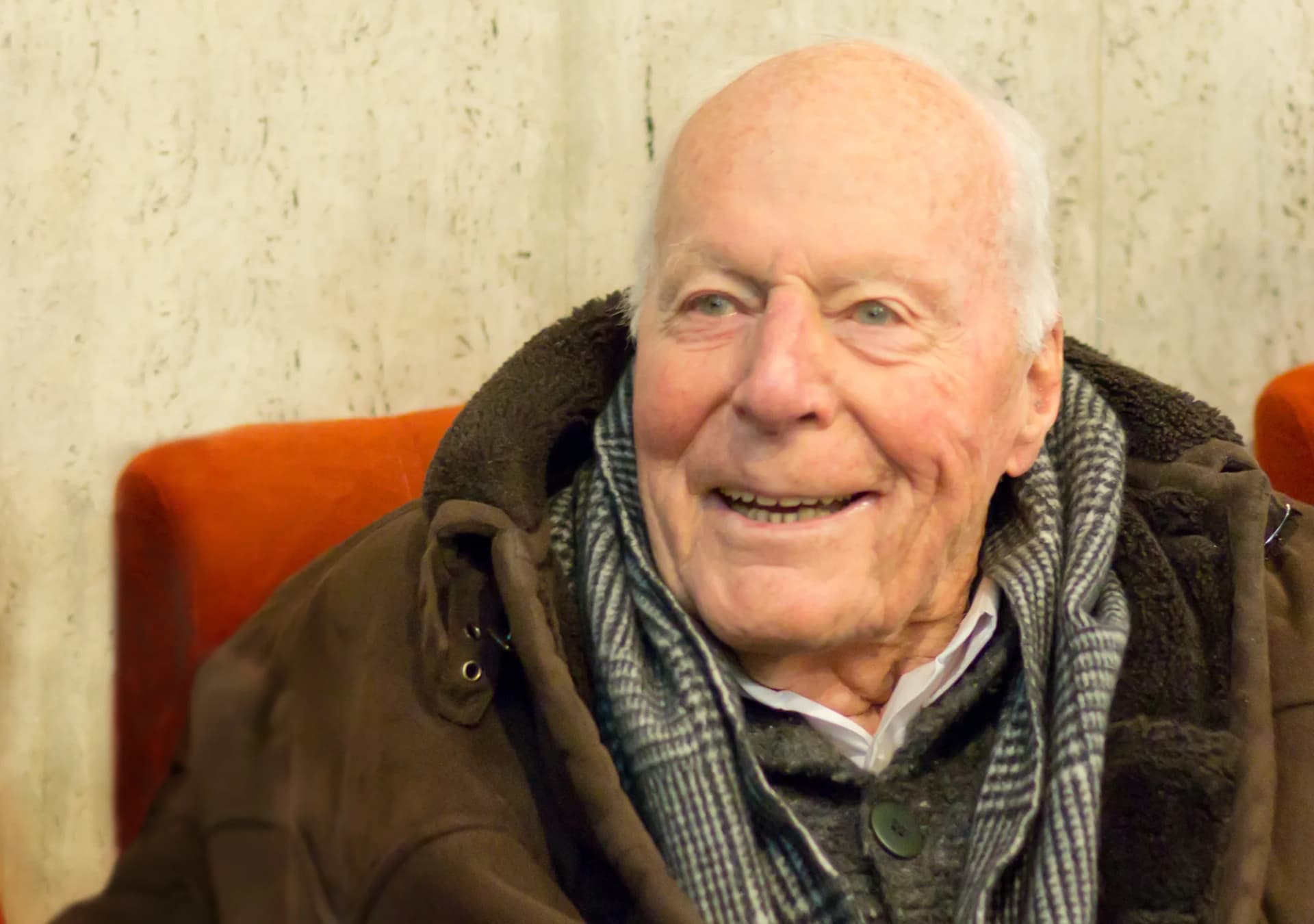
German architect

Emoria lights a memorial candle in remembrance of Gottfried Böhm.
Emoria
June 9th, 2026
0 Entries
Be the first to share a memory.
Gottfried Böhm (born 23 January 1920 in Offenbach am Main; died 9 June 2021 in Cologne) was a German architect, sculptor and university teacher. He designed churches, town halls, cultural buildings and urban structures that joined concrete, glass, steel and light into powerful spatial forms. In 1986 he became the first German architect to receive the Pritzker Architecture Prize.
Böhm was born as the son of church architect Dominikus Böhm. After military service and studies at the Technical University of Munich, he first worked in his father's office. He had also studied sculpture, and that plastic training remained visible in his work. He did not think of buildings only as plan and façade, but as body, sequence of spaces and material experience. In 1948 he married architect Elisabeth Haggenmüller, who later contributed to many projects.
After the Second World War, Cologne became Böhm's central place of work. The destroyed city, its ruins and its need for new church, civic and cultural spaces shaped his early commissions. Among his first independent works was the chapel Madonna in the Ruins, which emerged from the destroyed church of St. Kolumba. This coexistence of wound, memory and new construction remained important for many of his later works.
Böhm became known above all for sculptural concrete buildings. His pilgrimage church Maria, Königin des Friedens in Neviges appears like a folded rock, at once shelter, urban crown and religious gathering place. Bensberg Town Hall also connects historic fabric, castle complex and modern forms in a dense composition. Böhm used concrete not as a cold standard material, but as a malleable mass able to absorb light, shadow and movement.
Many of his buildings stand in places where architecture has a public role: churches, town halls, theatres, squares and educational buildings. He was not concerned only with striking silhouettes. His buildings sought to mediate between old and new, individual structure and urban space, material and use. Later projects also used glass and steel, including the Hans Otto Theater in Potsdam. The Böhm office was also involved in Cologne's Central Mosque, especially through his son Paul Böhm.
Böhm taught at RWTH Aachen and influenced several generations of architects. His sons Stephan, Peter and Paul also became architects; the Böhm family thereby became part of German architectural history in its own right. The 1986 Pritzker Prize honored not only individual buildings, but his distinctive ability to connect tradition, modernity, sculpture and urban integration.
Gottfried Böhm died in Cologne on 9 June 2021. He was 101 years old. His work remains visible in many cities, especially in the Rhineland: architecture that does not seek smoothness, but weight, openness, light and spatial tension. His best buildings show that concrete need not be mute, but can remember, gather and help shape a city.
Gottfried Böhm wird in Offenbach am Main geboren.
Gottfried Böhm stirbt im Alter von 101 Jahren in Köln.
No obituary has been uploaded for this memorial page yet. If you are one of the loved ones and would like to upload one, you can register as the owner of this memorial page and add it afterward.
Köln
Gottfried Böhm. Forever remembered.