/


Biography of Martin Luther King
15. Jan 1929 – 4. Apr 1968(39 years)Died in:St. Joseph's Hospital, Tennessee
American Baptist minister and civil rights leader
1
Candles
0
Condolences
9
Family Tree
Biography
Place of Death
St. Joseph's Hospital, Tennessee
Children
4
Burial Place
Martin Luther King Jr. National Historical Park
Occupation(10)
Awards(10)
Spouse(1)
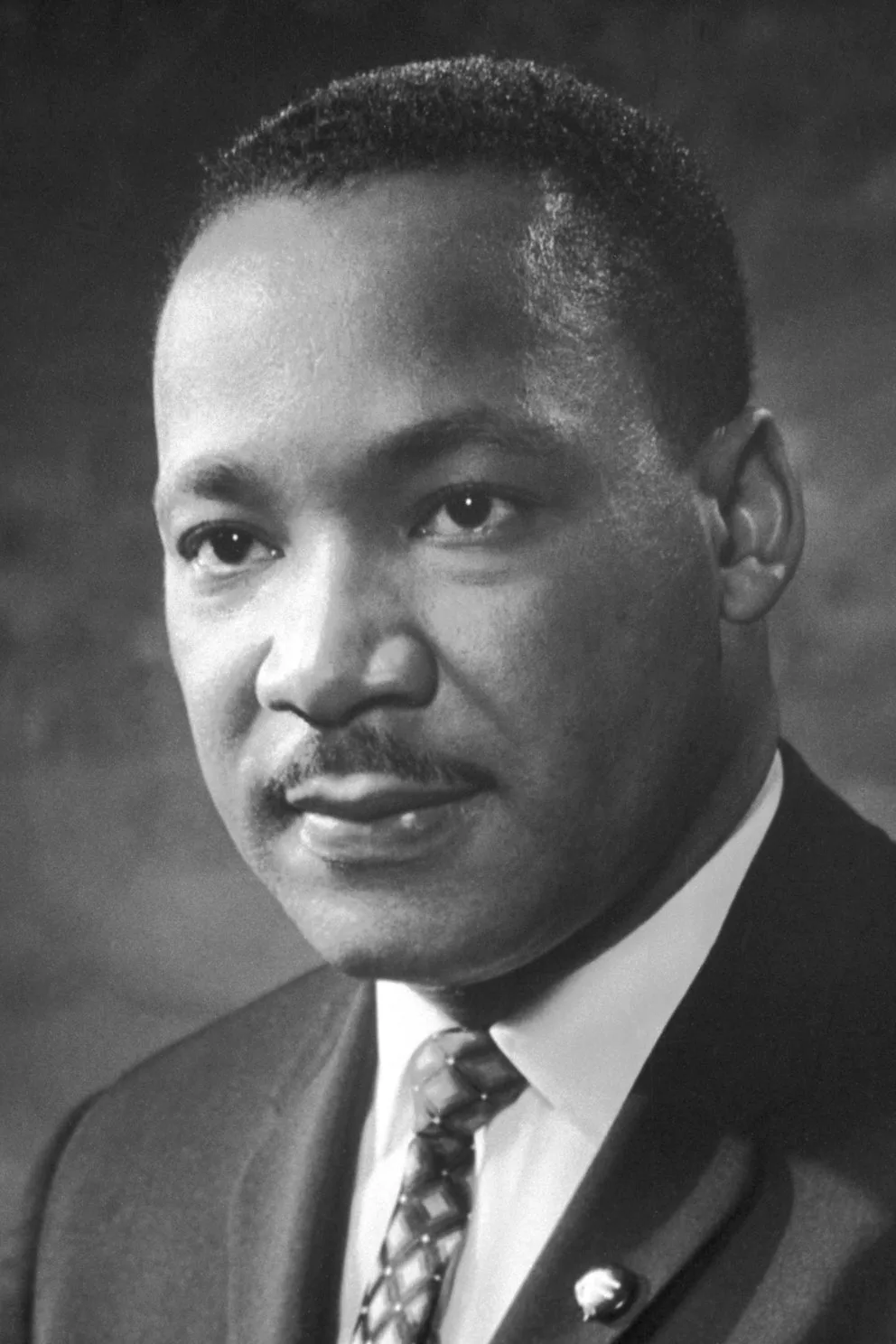
Martin Luther King Jr. (born 15 January 1929 in Atlanta, Georgia; died 4 April 1968 in Memphis, Tennessee) was an American Baptist minister, civil rights leader and Nobel Peace Prize laureate. He became the best-known voice of the modern civil rights movement in the United States. His speeches and campaigns joined Christian social ethics, nonviolent resistance, political organization and the demand for legal equality.
Atlanta, church and education
King grew up in Atlanta in a family of Baptist ministers. His father and grandfather were connected with Ebenezer Baptist Church, and the African American social gospel tradition shaped him early. At Morehouse College, Crozer Theological Seminary and Boston University he connected theology, philosophy and political ethics. In 1953 he married Coretta Scott, who herself became an important voice of the movement. A year later King became pastor of Dexter Avenue Baptist Church in Montgomery.
Montgomery and the SCLC
The Montgomery Bus Boycott began in December 1955 after the arrest of Rosa Parks. King became president of the Montgomery Improvement Association, but the victory rested on a broad local movement: organizers such as Jo Ann Robinson, E. D. Nixon, Ralph Abernathy, the daily walking of people in Montgomery and a discipline that made nonviolence practical. After 381 days, the boycott led to the end of segregation on the city's buses. In 1957 the Southern Christian Leadership Conference was created, with King as its president.
Birmingham and Washington
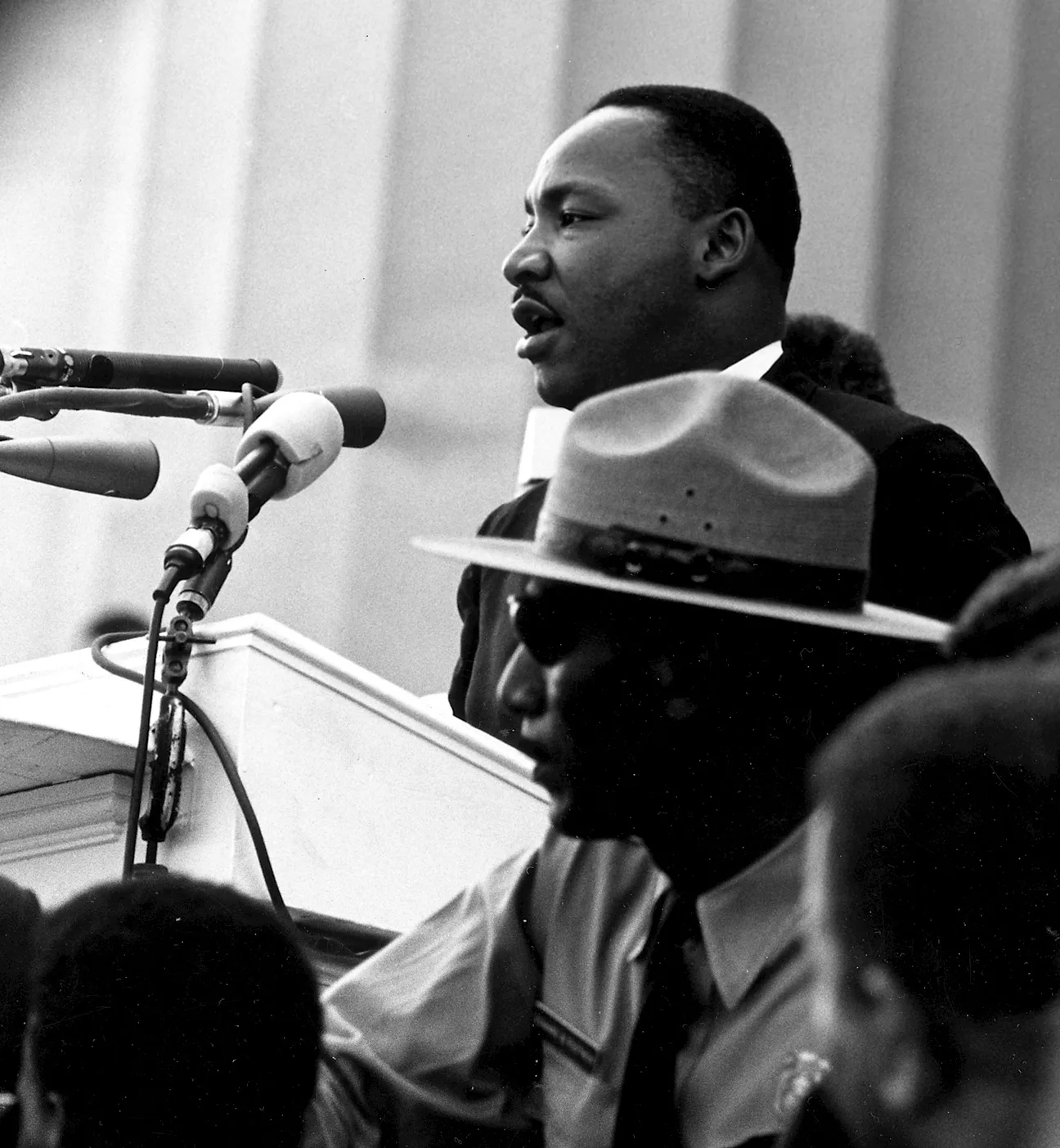
In 1963 King was jailed during the Birmingham Campaign and wrote the Letter from Birmingham Jail. In it he defended nonviolent direct action against the demand to keep waiting. A few months later he stood at the Lincoln Memorial during the March on Washington for Jobs and Freedom. The I Have a Dream speech became one of the best-known political texts of the 20th century. Yet it was part of a larger day: labor unions, civil rights groups, students, religious leaders and organizers such as A. Philip Randolph and Bayard Rustin carried the march together.
Laws, Nobel Prize and Selma
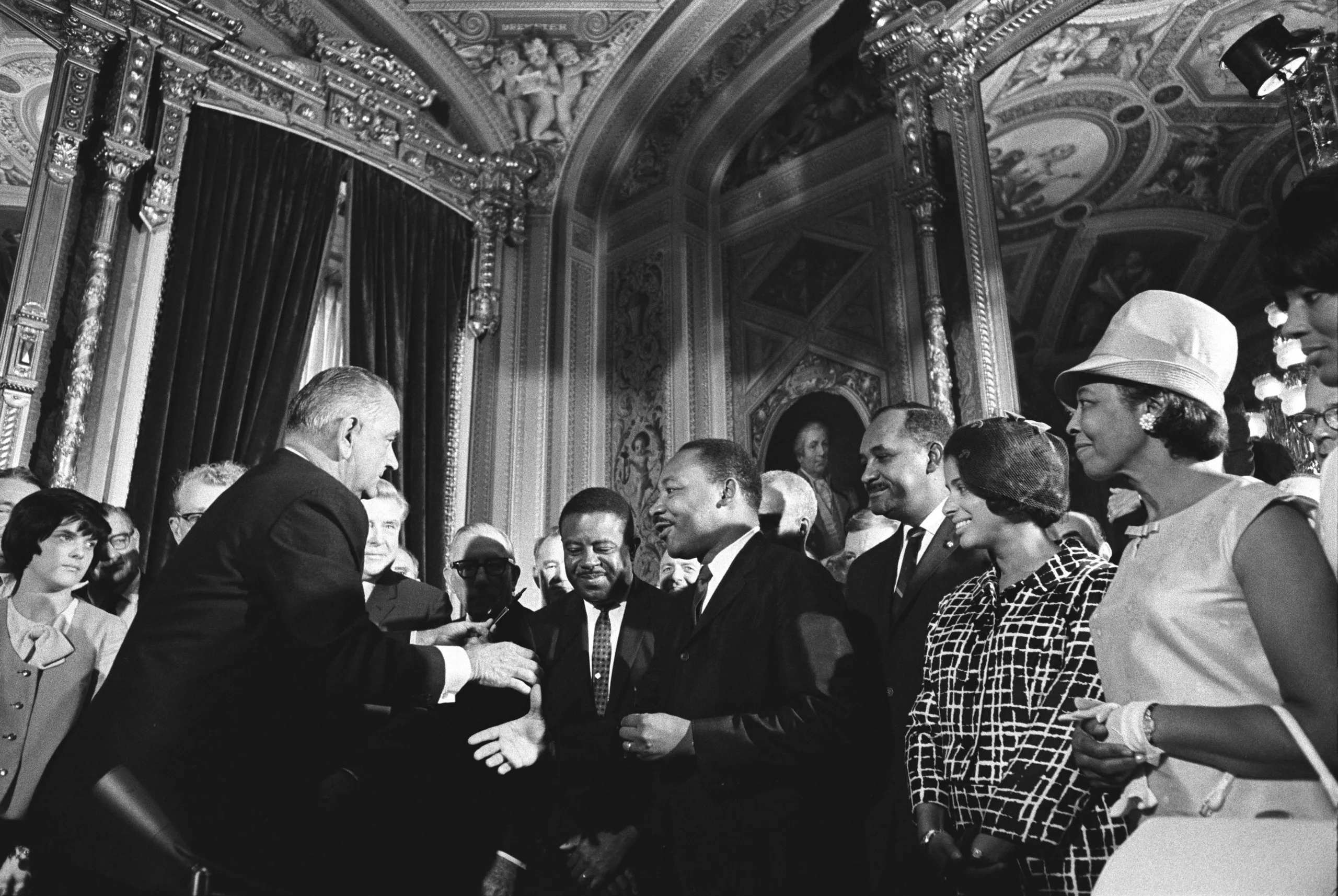
The pressure of the civil rights movement helped bring about the Civil Rights Act of 1964, which banned discrimination in central areas of public life. In December that year King received the Nobel Peace Prize in Oslo. In 1965 violence against demonstrators in Selma and the march to Montgomery placed voting rights at the center of national politics. The Voting Rights Act of 1965 removed major barriers used to keep African American citizens in the South from voting.
Poverty, Vietnam and growing criticism
After 1965 King's work did not become easier, but more politically controversial. In Chicago he campaigned against housing discrimination and urban poverty. With the speech Beyond Vietnam in 1967 he criticized the Vietnam War and linked racism, militarism and poverty. Many earlier supporters reacted negatively, but King did not understand civil rights as a completed set of laws. For him voting rights, fair work, housing, peace and dignity belonged together.
Farewell
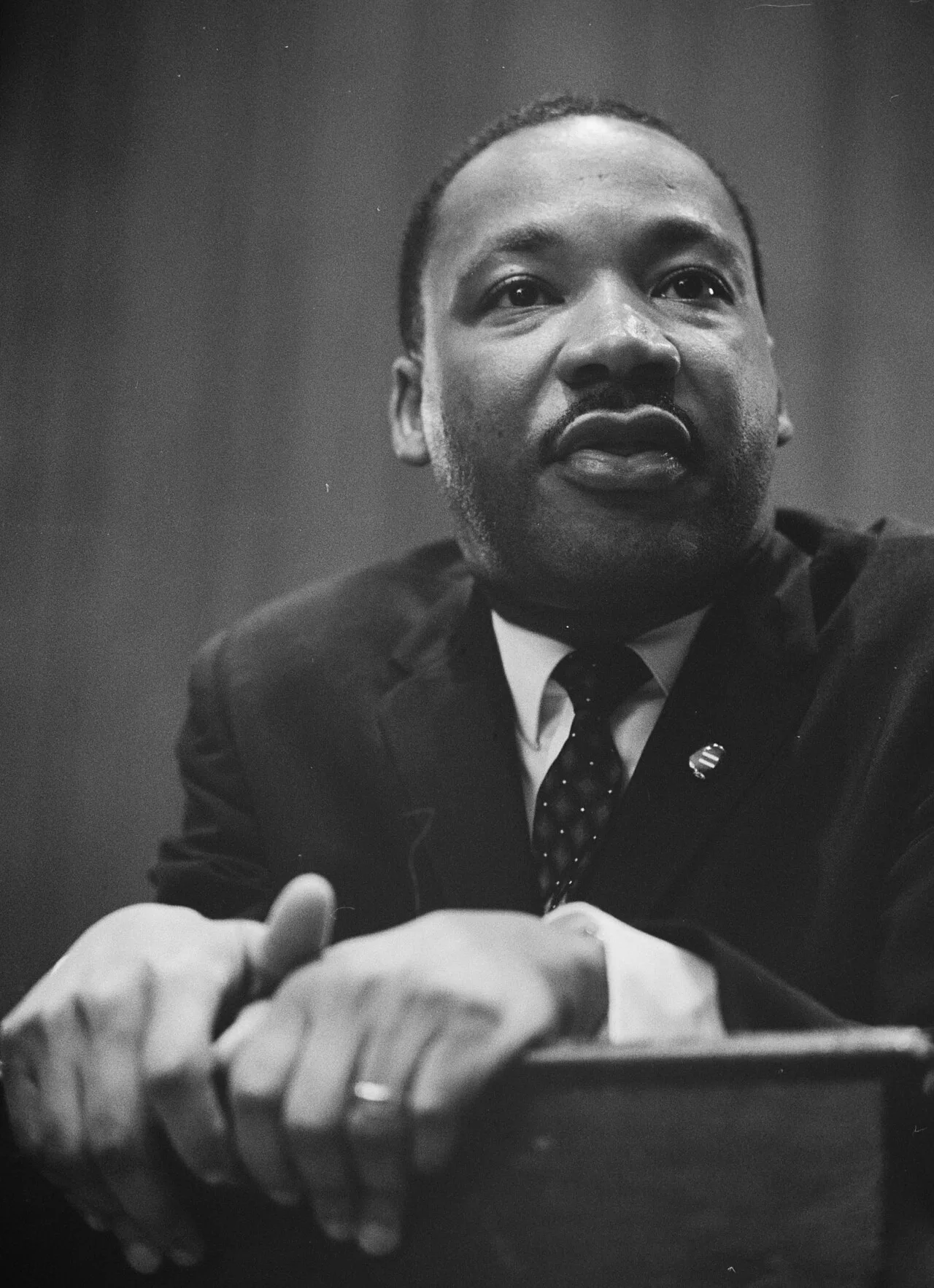
In 1968 King supported striking sanitation workers in Memphis while also preparing the Poor People's Campaign, a multiracial campaign against poverty. On 4 April 1968 he was assassinated at the Lorraine Motel in Memphis. He was 39 years old. His legacy lies not only in famous sentences, but in a political practice: organized nonviolence, moral language, concrete legislative goals and the refusal to separate equality from economic justice and peace.
Life Events
16 Events1929
Born in Atlanta, Fulton County
1944
Morehouse College
Bachelor of Arts · until 1948
1948
Crozer Theological Seminary
Bachelor of Divinity · until 1951
1951
Boston University
Doctor of Philosophy · until 1955
1953
Married Coretta Scott King
until 1968
1959
Anisfield-Wolf Book Awards
Stride Toward Freedom: The Montgomery Story
1963
Time Person of the Year
1964
Nobel Peace Prize
1964
Gandhi Peace Award
1965
Pacem in Terris Award
1966
Jawaharlal Nehru Award for International Understanding
1966
Margaret Sanger Awards
1968
Died in St. Joseph's Hospital, Tennessee (gunshot wound)
1977
Presidential Medal of Freedom
1978
United Nations Prize in the Field of Human Rights
2004