Memorial Page for Michael Jackson (née Michael Joseph Jackson)
American singer, songwriter, dancer, and philanthropist
Memorial Candles
2 candles

“Mein Idol 😪😘❤️”
Angela Landolina
August 17th, 2026

Emoria lights a memorial candle in remembrance of Michael Jackson.
Emoria
June 25th, 2026
Condolence Book
0 Entries
Memories
19 memories
Michael Jackson

The star of Michael Jackson on the Walk of Fame in Hollywood

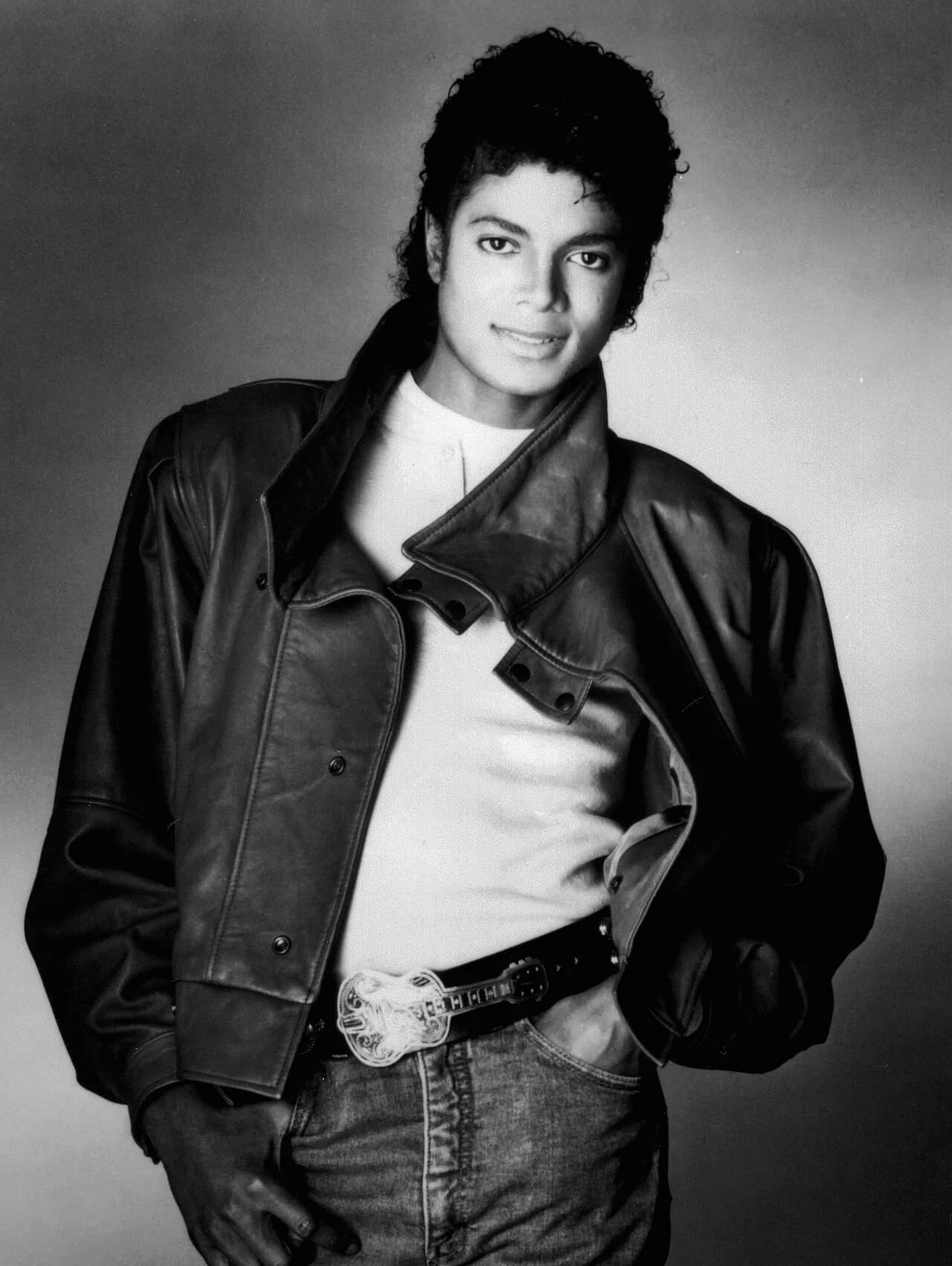
Michael Jackson in a press photo dated to 1983.

Michael Jackson, 1988 (46845017052)

Michael Jackson and son Blanket (169436395)

Michael Jackson performing The Way You Make Me Feel in 1988

Michael Jackson

Michael Jackson 2nd June 1988. "Wiener Stadion" venue in Vienna, Austria.

The tomb of Michael Jackson in the Holly Terrace of the Great Mausoleum, Forest Lawn Glendale

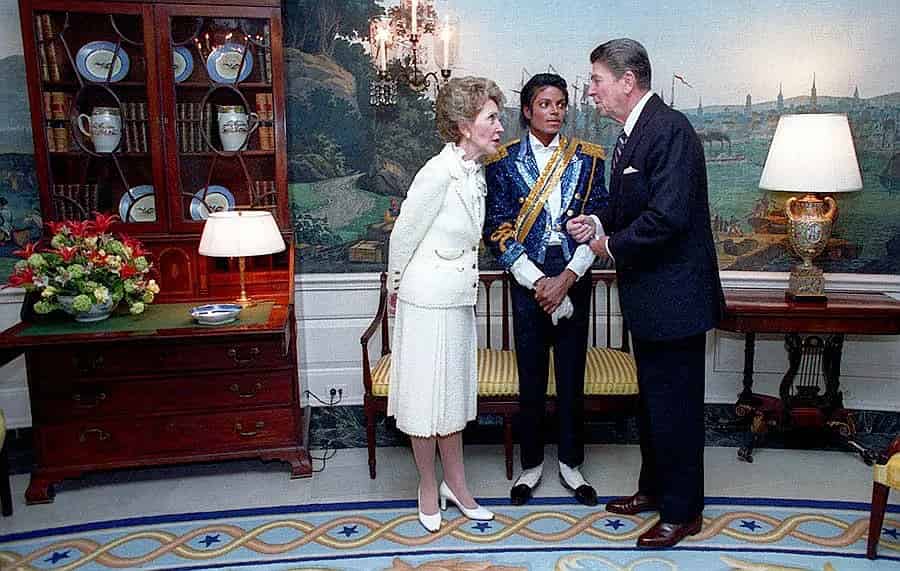
Michael Jackson with the Reagans

Bundesarchiv B 145 Bild-F079012-0026, Berlin, Michael Jackson-Konzert, Wartende

Michael Jackson's "Bad" Jacket and Belt

Statue of Michael Jackson based on Diana Walczak's original HIStory statue in Best - near Eindhoven, the Netherlands
Biography
Michael Jackson (born 29 August 1958 in Gary, Indiana; died 25 June 2009 in Los Angeles) was an American singer, songwriter, dancer and entertainer. He first became known as a child star with the Jackson 5, was later often called the King of Pop, and in the 1980s became one of the most influential figures in popular music. His voice, choreography, music videos and stage aesthetics changed how pop was heard, seen and marketed around the world.

Childhood and the Jackson 5
Jackson grew up in Gary in a musical family. His father, Joseph Jackson, shaped the sons into a group in which Michael stood out early for his voice, timing and stage presence. With Motown, the Jackson 5 became an international pop phenomenon in the late 1960s and early 1970s. Songs such as I Want You Back, ABC, The Love You Save and I'll Be There made the young singer the group's central presence.
The adult solo artist
Jackson's transition from child star to adult artist did not depend on one image, but on musical precision. With producer Quincy Jones he made Off the Wall in 1979, an album between disco, funk, soul and pop. It showed Jackson as a singer who could connect rhythm, falsetto, melody and physical movement almost seamlessly. The core of what later became his signature was already visible there: pop music as sound, dance, light, costume and camera at once.
Thriller and pop's visual language
Thriller was released in 1982 and became a benchmark for the pop industry of the 1980s. The album connected memorable songs with an unusually powerful visual strategy. Billie Jean, Beat It and Thriller were not only singles, but television and MTV events. Jackson's success helped give Black artists greater visibility there. When he performed the moonwalk during Billie Jean on Motown 25 in 1983, his style crystallized in a few seconds: controlled movement, apparent weightlessness and a stage figure that was instantly recognizable.
World star of the Bad era
At the 1984 Grammy Awards, Jackson won eight awards in one night, including Album of the Year for Thriller and Record of the Year for Beat It. In 1987 came Bad, again produced by Quincy Jones. The tours, short films and choreographies of these years made Jackson a global pop star whose performances were imitated across stadiums, television and music videos. His success rested not only on sales, but on a rare connection of studio craft, dance technique and visual direction.

Fame and public pressure
Jackson's later life was shaped by extreme fame, major artistic influence and growing public pressure. His private life was watched worldwide and often treated speculatively. Allegations of sexual abuse became an enduring part of the public debate around him. The 2005 criminal trial ended in acquittals; later allegations were raised again after his death and were denied by representatives of his estate. Any account of his life has to keep both matters soberly in view: the extraordinary artistic impact and the serious, still disputed allegations.
Farewell
Michael Jackson died in Los Angeles on 25 June 2009 while preparing a concert residency called This Is It. The coroner attributed his death to acute propofol intoxication with other medication effects; his doctor Conrad Murray was convicted of involuntary manslaughter in 2011. Jackson was 50 years old. His work remains present throughout popular culture: in dance steps, video language, vocal lines, stage clothing and the idea that pop can be not only a song, but a fully designed moment.
Life Events
9 EventsGeboren in Gary
1958Michael Jackson wird in Gary, Indiana, als achtes Kind der Familie Jackson geboren.
Jackson 5 erreichen Platz eins
1970I Want You Back wird der erste von vier aufeinanderfolgenden Nummer-eins-Hits der Jackson 5 in den USA.
Solo-Durchbruch mit Off the Wall
1979Off the Wall erscheint, produziert von Quincy Jones, und macht Jackson als erwachsenen Solokünstler international sichtbar.
Thriller erscheint
1982Michael Jackson veröffentlicht Thriller, das zu einem der einflussreichsten und erfolgreichsten Popalben der Musikgeschichte wird.
Moonwalk bei Motown 25
1983In der TV-Sendung Motown 25 zeigt Jackson bei Billie Jean den Moonwalk und prägt damit eine ikonische Bühnenfigur.
Acht Grammys an einem Abend
1984Bei den 26. Grammy Awards gewinnt Jackson acht Auszeichnungen, darunter Album of the Year für Thriller und Record of the Year für Beat It.
Bad erscheint
1987Das Album Bad setzt Jacksons Welterfolg fort und bringt mehrere internationale Hits hervor.
Freispruch im Strafprozess
2005Ein Gericht in Kalifornien spricht Michael Jackson von den gegen ihn erhobenen Vorwürfen frei.
Gestorben in Los Angeles
2009Michael Jackson stirbt im Alter von 50 Jahren in Los Angeles.
Obituary
No obituary yet
No obituary has been uploaded for this memorial page yet. If you are one of the loved ones and would like to upload one, you can register as the owner of this memorial page and add it afterward.
Family Tree
- Lisa Marie Presley
- Joe Jackson
- Brandon Jackson
- Tito Jackson
Michael Jackson (née Michael Joseph Jackson). Forever remembered.