
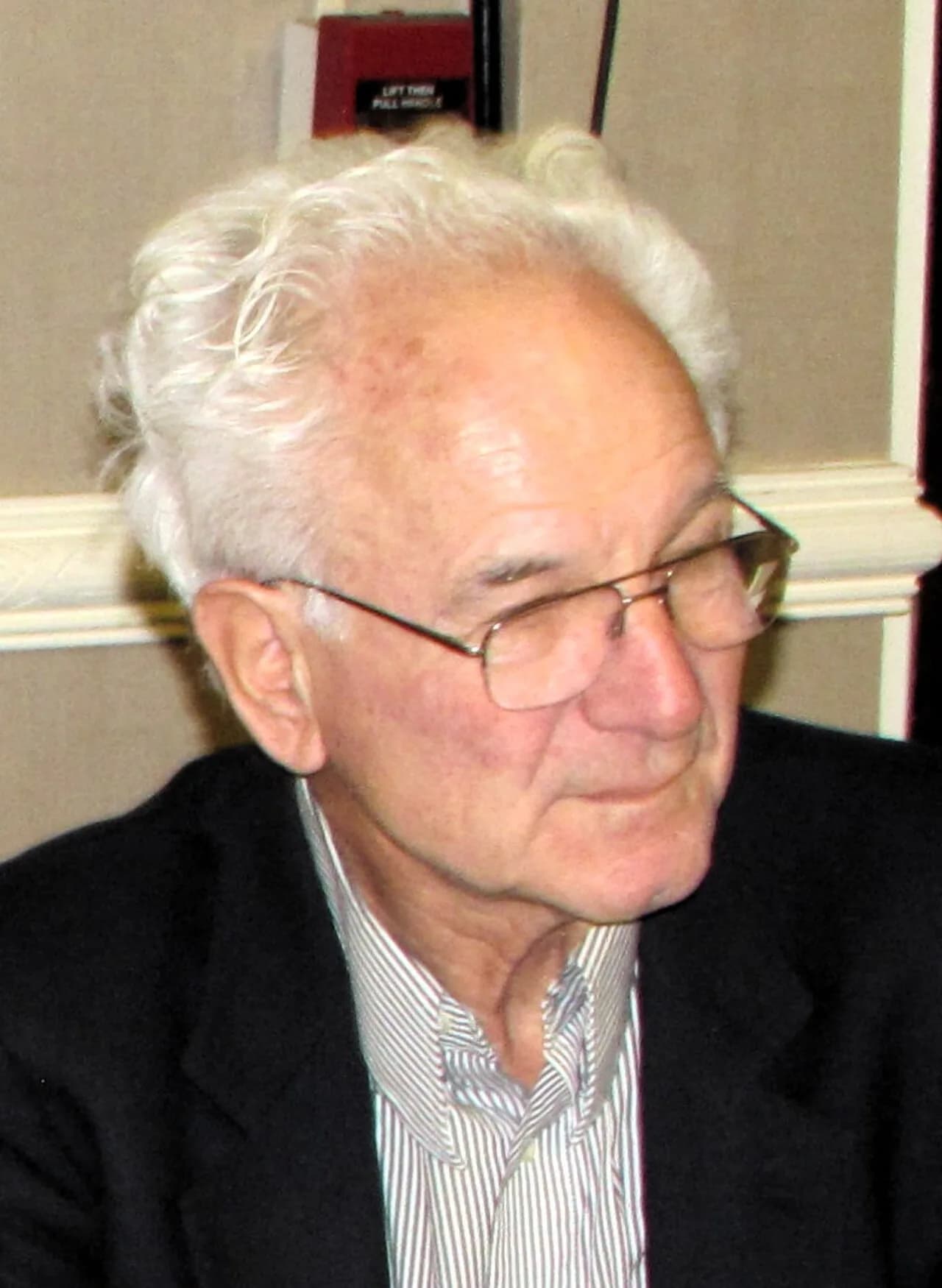
Photo: 📷 Athel cb
Biography of Peter Duesberg
2. Dec 1936 – 13. Jan 2026(89 years)Died in:Lafayette, Contra Costa County
German-American molecular biologist (born 1936)
0
Candles
0
Condolences
0
Family Tree
Biography
Occupation(3)
Peter Duesberg (born 2 December 1936 in Münster; died 13 January 2026) was a German-American molecular biologist and long-time professor at the University of California, Berkeley. He made early contributions to retrovirus and cancer research, but later became known above all for scientifically refuted claims about HIV and AIDS.
Training and Berkeley
Duesberg grew up in Germany and received a doctorate in chemistry from the University of Frankfurt in 1963. In 1964 he went to Berkeley for postdoctoral work in the Virus Laboratory. That move became the beginning of a decades-long academic career. He worked in molecular and cell biology, trained younger scientists and remained connected with Berkeley until retirement.
Retroviruses and cancer research
In his early research, Duesberg studied retroviruses and tumor formation. He contributed to work that advanced understanding of viral oncogenes, including the identification of the src oncogene in Rous sarcoma virus. This research helped bring him high scientific recognition in the 1970s and 1980s. Later he focused more strongly on whether chromosomal change and aneuploidy could explain cancer.
HIV/AIDS controversy
From the late 1980s onward, Duesberg rejected the established finding that untreated HIV can cause AIDS. That position was and remains contrary to scientific consensus. NIH, CDC and WHO describe HIV as a virus that damages the immune system and can progress to AIDS without treatment; antiretroviral therapy can lower viral load, prevent disease progression and greatly reduce transmission. The dispute was not a narrow academic disagreement, but a public health claim with consequences.
Public impact
Duesberg's claims continued to circulate outside the scientific mainstream. Their political visibility was especially clear in South Africa under President Thabo Mbeki, whose government delayed the expansion of antiretroviral treatment. Harvard researchers later estimated that this policy contributed to more than 330,000 avoidable deaths between 2000 and 2005 and tens of thousands of preventable HIV infections in children. Duesberg was not solely responsible for that policy, but his arguments were among the voices used by AIDS denialism in politics and public debate.
Later years
After the HIV/AIDS controversy, Duesberg continued cancer research, especially on aneuploidy and the interpretation of tumors as biologically distinct systems. This work remained disputed, but it shows a line that occupied him for decades: the search for alternative explanations for complex diseases. In the case of HIV/AIDS, however, that search became a public false path because it ran against strong clinical and epidemiological evidence.
Farewell
Peter Duesberg died on 13 January 2026 at the age of 89. Berkeley described his long connection to the university and also named his role as a public controversialist. His life connects early scientific achievement with later influence in health debates: research, academic persistence, dissent and the responsibility carried by scientific authority in matters of health.
Life Events
2 Events1936
Born in Münster, North Rhine-Westphalia
2026