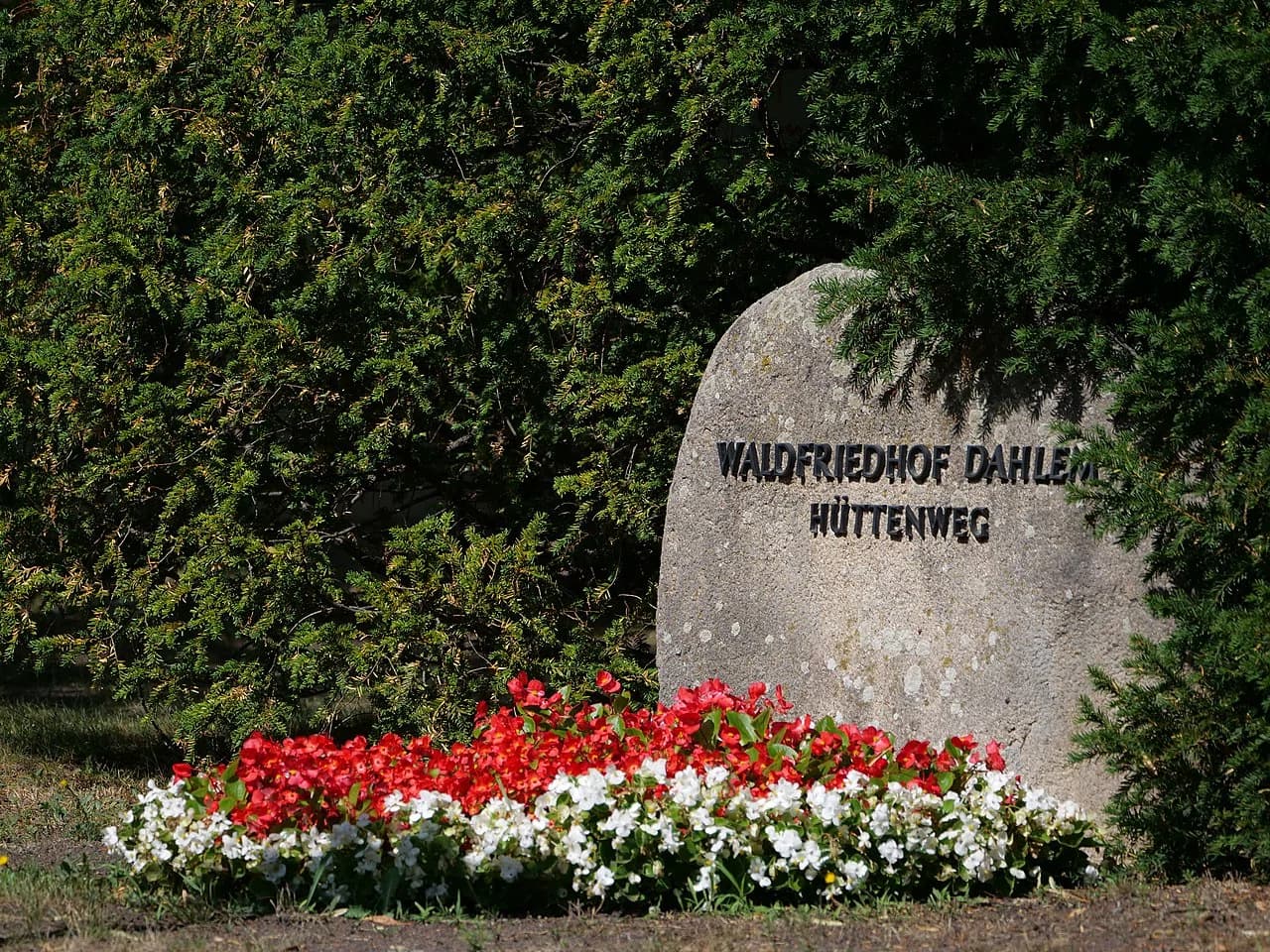
Waldfriedhof Dahlem
Hüttenweg 47 14195 Berlin, Dahlem


President of Germany from 1984 to 1994
1 candle
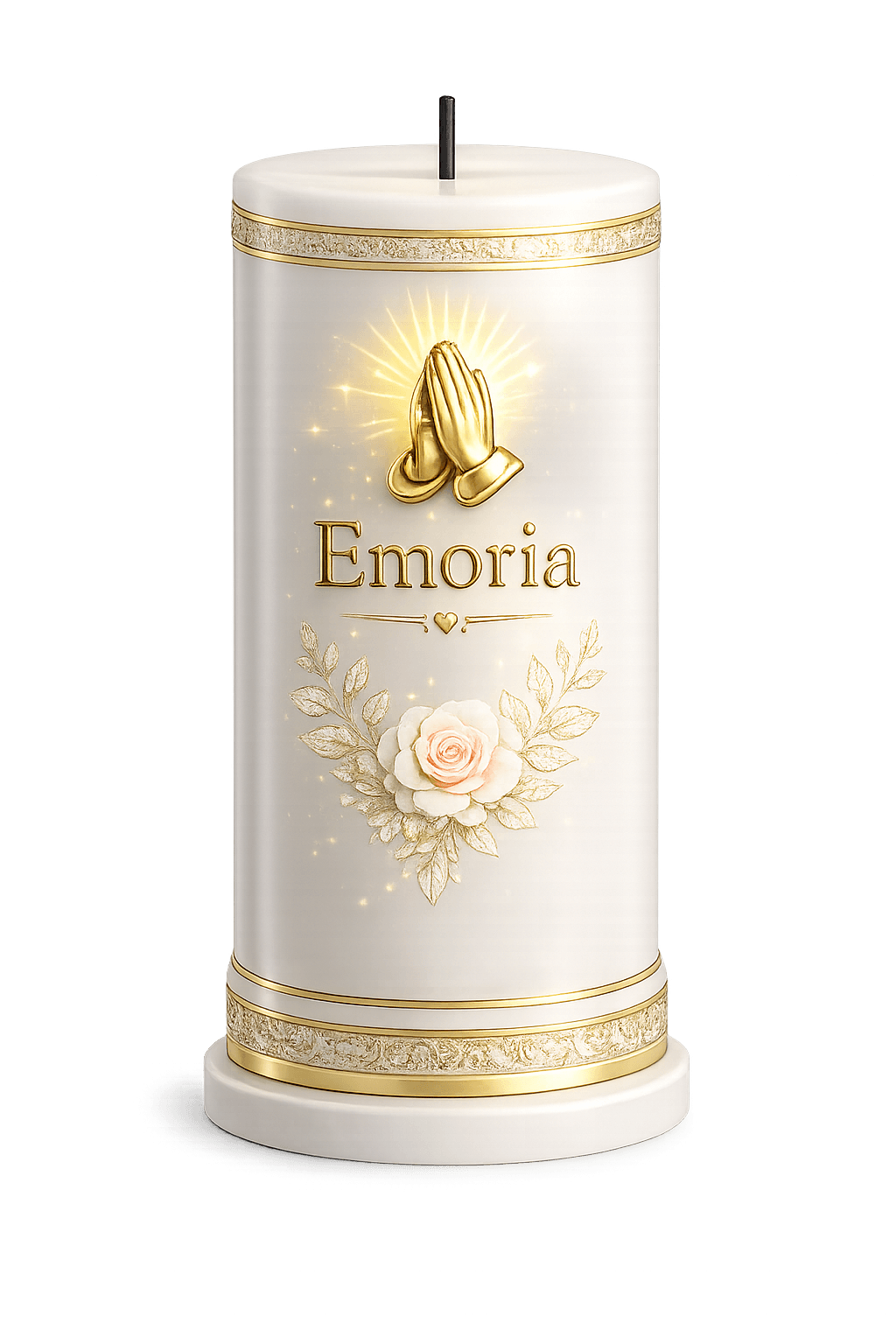
Emoria lights a memorial candle for Richard von Weizsäcker's birthday.
Emoria
April 15th, 2026
0 Entries
Be the first to share a memory.
Richard von Weizsäcker (born 15 April 1920 in Stuttgart; died 31 January 2015 in Berlin) was a German lawyer and CDU politician. He served as Federal President from 1984 to 1994 and had previously been Governing Mayor of Berlin. His name is especially connected with the speech of 8 May 1985, in which he described the end of the Second World War as a “day of liberation”. Weizsäcker shaped the presidency through language, historical precision and the ambition to offer political orientation beyond party lines.
Weizsäcker was born into a well-known Württemberg family. His father Ernst von Weizsäcker was a diplomat and later State Secretary in the Foreign Office of Nazi Germany. Richard von Weizsäcker attended schools in several cities, began studies in Oxford and Grenoble in 1937 and entered military service in 1938. He served as a young soldier in the Second World War. After 1945 he studied law and history in Göttingen; during the Wilhelmstrasse trial he assisted his father legally. These experiences remained important for the way he later spoke about German guilt, responsibility and memory.
After his studies, Weizsäcker first worked for Mannesmann and later held further positions in business. In 1953 he married Marianne von Kretschmann; the couple had four children. He joined the CDU in 1954 without immediately pursuing a political career. At the same time, the Protestant church played an important public role for him. He belonged to the presidium of the German Evangelical Church Congress and served in bodies of the Evangelical Church in Germany. He understood politics through a Protestant-influenced ethic of responsibility: not only as a struggle for power, but as service to state and society.
In 1969 Weizsäcker was elected to the German Bundestag. He took on leading responsibilities there, including deputy chairmanship of the CDU/CSU parliamentary group and later the vice presidency of the Bundestag. In the 1970s he worked on the programmatic direction of the CDU. In 1978 he moved to Berlin, first as opposition leader. From 1981 to 1984 he was Governing Mayor of Berlin. The divided city became for him a political place where the German question, the claim to freedom and the everyday lives of people met directly.
On 23 May 1984 the Federal Convention elected Richard von Weizsäcker Federal President. He did not understand the office as apolitical representation, but as a moral and linguistic task within a democracy. In 1989 he was reelected without an opposing candidate. His second term included the peaceful revolution in East Germany, the fall of the Berlin Wall and German reunification. As the first Federal President of united Germany, he called for patience, mutual respect and the willingness to shape unity not only institutionally but socially.
Weizsäcker gave his best-known speech on 8 May 1985 in the German Bundestag, marking the 40th anniversary of the end of the war. He spoke about suffering, guilt, responsibility and the need for honest remembrance. Especially influential was his formulation that 8 May 1945 had been a day of liberation for Germans: liberation from National Socialist tyranny. The speech reached far beyond its occasion because it did not relativize German responsibility while opening a democratic perspective for the future.
After leaving office in 1994, Weizsäcker remained publicly present, gave lectures and took on roles in foundations and commissions. He died in Berlin on 31 January 2015. At the state ceremony in Berlin Cathedral, speakers especially emphasized his way of handling language and history. His importance lies in a presidency that treated remembrance not as ritual, but as a condition of political freedom. In that way Richard von Weizsäcker became a defining voice of postwar German history.
Richard Freiherr von Weizsäcker wird in Stuttgart geboren.
Die Bundesversammlung wählt Weizsäcker zum sechsten Bundespräsidenten der Bundesrepublik Deutschland.
Im Deutschen Bundestag hält Weizsäcker seine vielbeachtete Rede zum 40. Jahrestag des Kriegsendes.
Mit der Deutschen Einheit wird Weizsäcker der erste Bundespräsident des vereinten Deutschlands.
Richard von Weizsäcker stirbt im Alter von 94 Jahren in Berlin.
No obituary has been uploaded for this memorial page yet. If you are one of the loved ones and would like to upload one, you can register as the owner of this memorial page and add it afterward.
Hüttenweg 47 14195 Berlin, Dahlem
Richard von Weizsäcker (née Richard Karl Freiherr von Weizsäcker). Forever remembered.