/

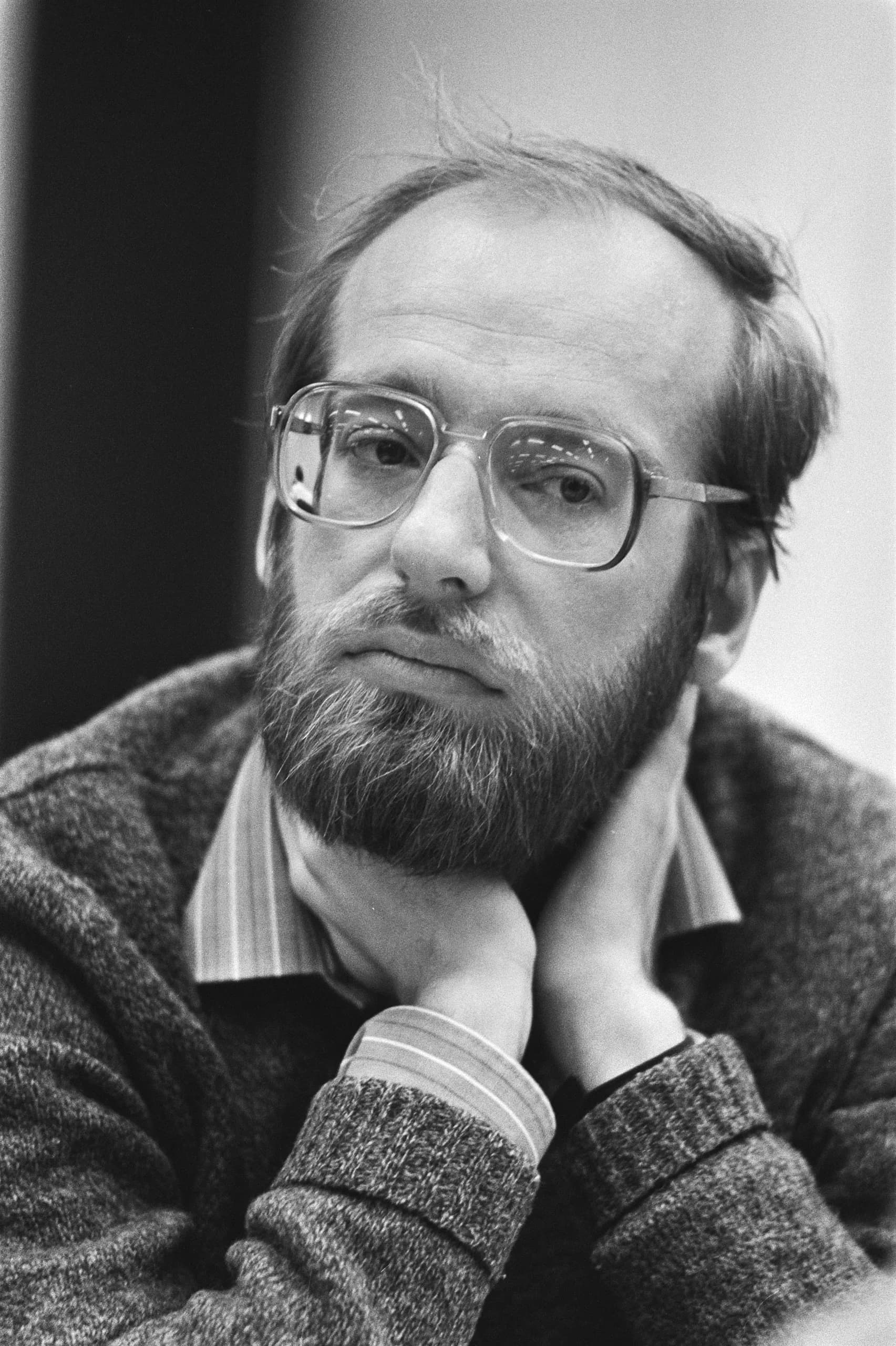
Biography of Robert Hübner
6. Nov 1948 – 5. Jan 2025(76 years)Died in:Köln, North Rhine-Westphalia
German chess player, chess writer, and papyrologist
0
Candles
0
Condolences
0
Family Tree
Biography
Died at
Cologne
Occupation(5)
Awards(1)
Education(1)
Robert Hübner (born 6 November 1948 in Cologne-Porz; died 5 January 2025 in Cologne) was a German chess grandmaster, chess writer and papyrologist. In the 1970s and early 1980s he belonged to the extended world elite, reached third place in the world ranking and is regarded as one of the strongest German chess players since Emanuel Lasker.
Early chess years
Hübner learned chess early and became visible in the German chess scene while still a teenager. At 18 he shared first place in the German championship. In 1969 he received the International Master title, and in 1971 he became a grandmaster. For West Germany this was exceptional: at a time when the world elite was strongly shaped by Soviet players, Hübner showed that a West German player could compete at the highest level.
World championship candidate
Between 1971 and 1991 Hübner played several times in Candidates events for the World Chess Championship. He faced opponents such as Tigran Petrosian, Viktor Korchnoi, Vasily Smyslov and Jan Timman. The 1980 Candidates final in Merano against Korchnoi remained especially well known. Hübner was not a player who fitted easily into simple narratives: he could prepare deeply, but also act from principle when he regarded conditions as unfair or pointless.
Style and analysis
Hübner's chess was marked by precision, skepticism and enormous analytical depth. He did not seek quick effect, but the inner truth of a position. His annotations to games became famous because they went far beyond ordinary lines of variation. At times he dissected a position so thoroughly that the result almost became a scholarly text. This rigor made him demanding for readers, but also unique.
Scholarship and languages
Alongside chess, Hübner worked academically. He earned a doctorate as a papyrologist and studied ancient Egyptian texts. Chess sources describe him as exceptionally gifted with languages; he could read and speak many of them. This second intellectual world explains much about his understanding of chess: Hübner thought precisely, historically, close to the text and with distrust of simplification.
Role in German chess
For the German Chess Federation and many chess followers, Hübner remained a defining figure for decades. He played for clubs, competed in Olympiads, wrote analyses and remained a benchmark even as younger generations came forward. His relationship with federations and tournament formats was not always easy, but that independence was part of his profile. Hübner did not seem like a professional sportsman so much as a scholar at the board.
Farewell
Robert Hübner died in Cologne on 5 January 2025 after a long illness. He was 76 years old. His name remains connected with a particular form of chess: rigorous, learned, independent and full of respect for the depth of the game. For German chess he was more than a strong grandmaster; he was a thinker who read the board like a text.
Life Events
2 Events1948
Born in Köln, North Rhine-Westphalia
2025