/

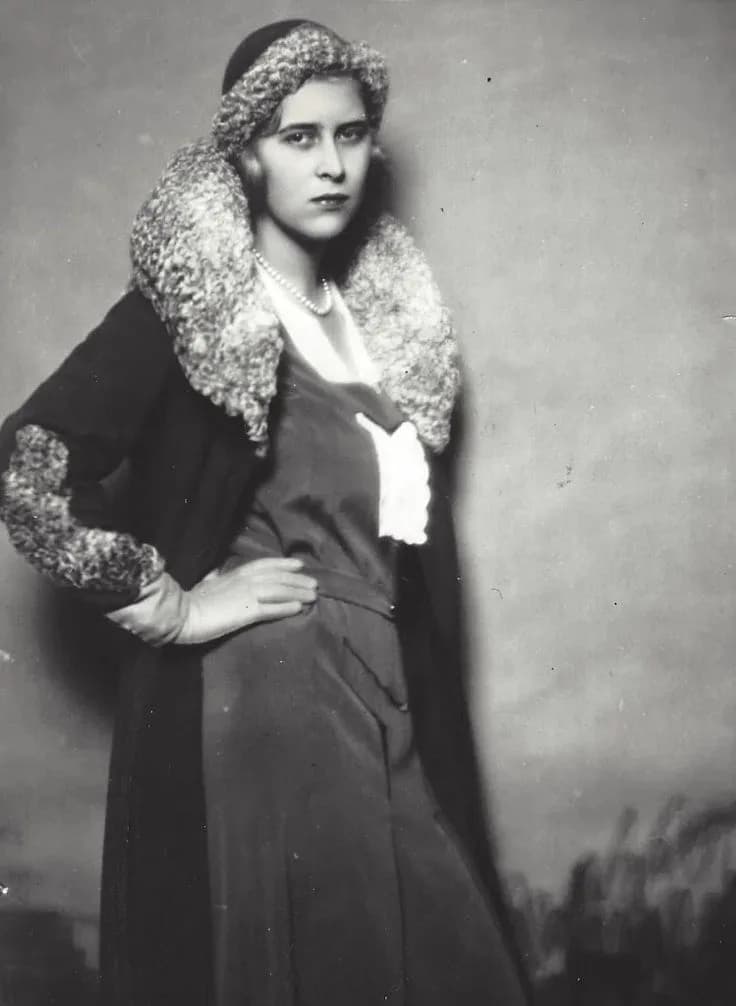
Biography of Sophie von Griechenland
26. Jun 1914 – 24. Nov 2001(87 years)Died in:München, Bavaria
Greek princess (1914-2001); elder sister of Prince Philip, Duke of Edinburgh
1
Candles
0
Condolences
1,662
Family Tree
Biography
Birthplace
Mon Repos, Greece
Died at
Munich
Nationality
Kingdom of Greece
Burial Place
Schliersee
Spouse(4)
Prince Christoph of Hesse-KasselPrince Georg Wilhelm of HanoverGeorg Wilhelm von HannoverChristoph von Hessen
Princess Sophie of Greece and Denmark (born 26 June 1914 on Corfu; died 24 November 2001 near Schliersee) was a Greek and Danish princess, and through her marriages a princess of Hesse and of Hanover. She was the youngest daughter of Prince Andrew of Greece and Princess Alice of Battenberg, and the elder sister of Prince Philip, later Duke of Edinburgh.
Childhood in exile
Sophie was born at Mon Repos on Corfu. Her early years were shaped by the political instability of the Greek monarchy. After the upheavals of 1922, the family left Greece; the children then grew up in changing European settings, especially in France. This experience of exile connected Sophie with her sisters Margarita, Theodora and Cecilie, and with her younger brother Philip.
Hesse and the 1930s
On 15 December 1930 Sophie married Prince Christoph of Hesse. She was only 16. The couple lived in Germany and had five children. These years cannot be separated from their political setting: Christoph of Hesse was linked to the Nazi regime, and Sophie later joined the NS-Frauenschaft. The context shows how closely parts of the European aristocracy became entangled with National Socialism in the 1930s.
Loss and a new family
In 1943 Christoph of Hesse died in an aircraft accident. Sophie was widowed and the mother of five children. After the war she married Prince George William of Hanover on 23 April 1946. Further children were born from this second marriage. The family later lived quietly in Bavaria, especially at Schliersee. Sophie's life was therefore shaped less by formal representation than by family, local attachment and the after-effects of a burdened period.
Philip's family and Princess Alice
Sophie remained connected with her brother Philip and his family. She attended family events and in 1964 became godmother to Prince Edward. That connection became especially visible in Jerusalem in 1994: Sophie accompanied Prince Philip to Yad Vashem when their mother, Princess Alice, was honored as Righteous Among the Nations for sheltering a Jewish family in Athens. In that moment, family history, wartime memory and moral responsibility came together in public.
Later years and death
In her later years Sophie lived quietly in Bavaria. She died near Schliersee on 24 November 2001 at the age of 87 and was buried there. Her life reflects the fractures of European dynasties in the twentieth century: birth into a royal family, exile, problematic proximity to National Socialism, loss, new family ties and a late remembrance that also brought her mother's story more clearly into view.
Life Events
4 Events1914
Born in Mon Repos, Greece
1930
Married Prince Christoph of Hesse-Kassel
until 1943
1946
Married Prince Georg Wilhelm of Hanover
until 2001
2001