/

Biography
Children
4
Occupation(9)
Awards(10)
Kennedy Center HonorsMOBO AwardsAmerican Music AwardsGrammy Award for Best R&B Performance by a Duo or Group with Vocalsstar on Hollywood Walk of FameChevalier des Arts et des LettresRock and Roll Hall of FameGrammy Award for Record of the YearGrammy Award for Best Female Pop Vocal PerformanceGrammy Award for Best Female Rock Vocal Performance
Spouse(3)
Education(1)
Tina Turner (born Anna Mae Bullock on 26 November 1939 in Brownsville, Tennessee; died 24 May 2023 in Küsnacht, Switzerland) was one of the defining voices of modern pop and rock music. She became world-famous as a singer, performer and stage presence, and she remains remembered as an artist who joined power, rhythm, vulnerability and self-determination in a form that was unmistakably her own. Her path led from Nutbush, Tennessee, through the great soul and rock stages of the 1960s and 1970s to one of the most important comebacks in pop history.
Roots in Tennessee
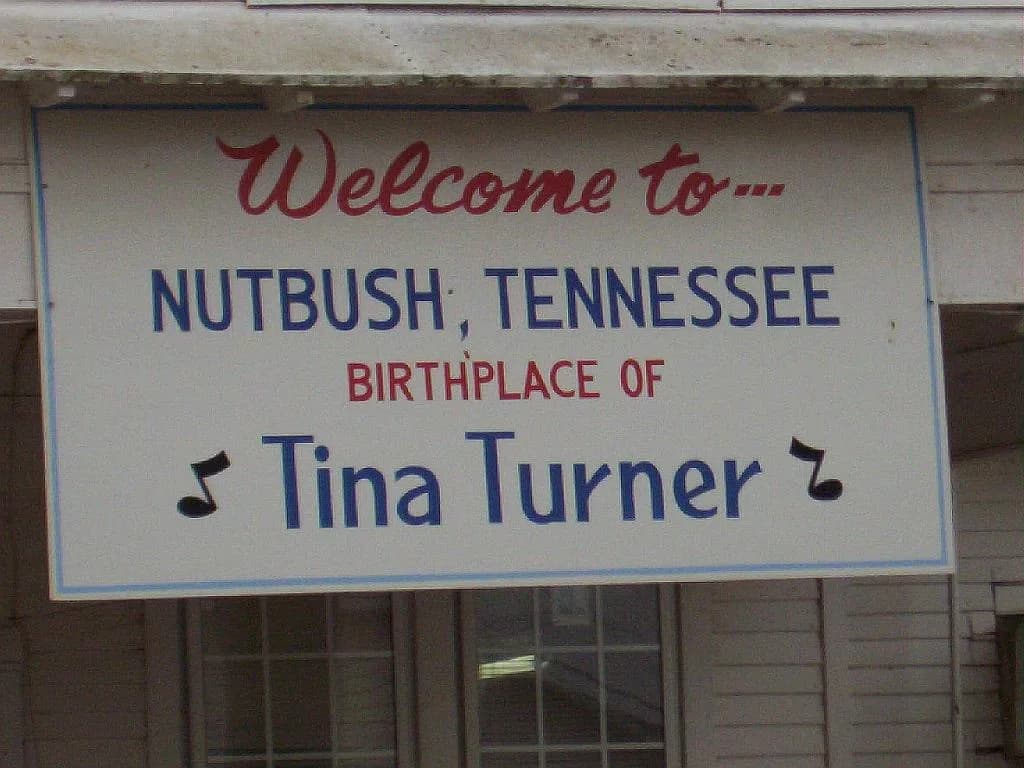
Tina Turner was born Anna Mae Bullock in Brownsville and grew up in Nutbush, a small community in western Tennessee. The rural South, church music, rhythm and blues and local musical traditions shaped the early background of her life. She later returned to that background in Nutbush City Limits, a song that carried the place of her childhood into pop history. From a setting far from the major music centres came a voice that would later be recognised immediately on stages across Europe, America and Asia.
The first years on stage
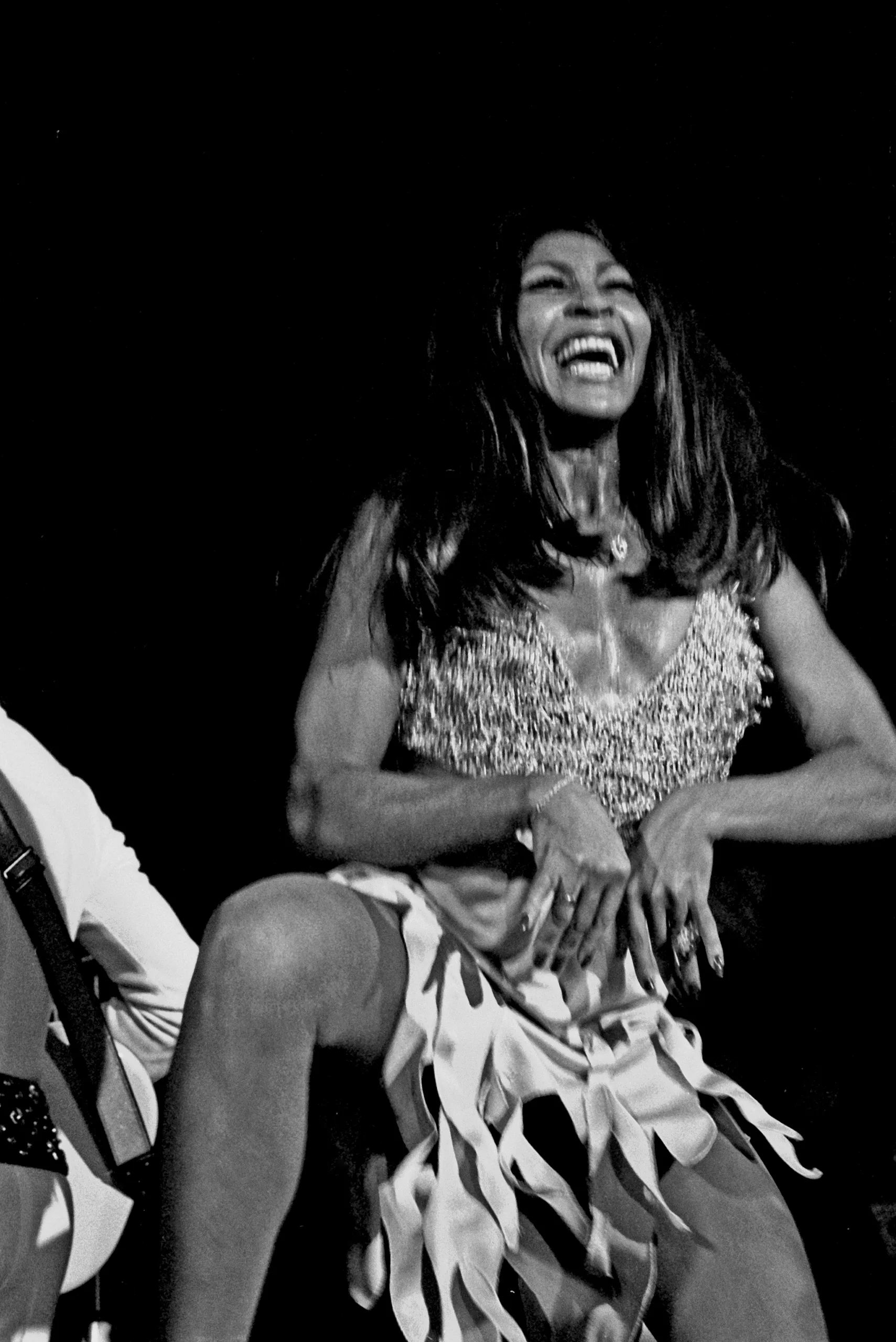
In St. Louis, Anna Mae Bullock came into contact with the local rhythm-and-blues scene. There she met Ike Turner and became part of his musical work; Anna Mae Bullock became Tina Turner. A Fool in Love brought an early breakthrough in 1960, followed by songs such as River Deep - Mountain High, Proud Mary and Nutbush City Limits. On stage, Turner developed a presence that was not simply about volume. Her voice was raw, flexible and direct; her performance joined precision with physical energy.
Success and a difficult break
The collaboration with Ike Turner brought Tina Turner international attention, while her private life during that period was marked by violence and control. That period helps explain the later rebuilding of her career, but it should not define the whole view of her. Turner separated from Ike Turner in 1976, and the divorce became final in 1978. She kept the stage name Tina Turner and began to establish herself again as a solo artist. That step was not only a private turning point, but also an artistic rebuilding: she had to win back audiences, record companies and stages on her own terms.
Private Dancer and the great comeback
The decisive turn came in the 1980s. With the album Private Dancer, released in 1984, Tina Turner became an international solo star. What's Love Got to Do with It became her first number-one hit in the United States and one of the best-known songs of her career. At the 1985 Grammy Awards, that success became visible across the music industry. Turner was no longer seen mainly as the singer attached to an earlier revue; she had become an independent pop and rock figure with a new sound, a new image and a voice in which experience could be heard.
World star between rock, pop and film
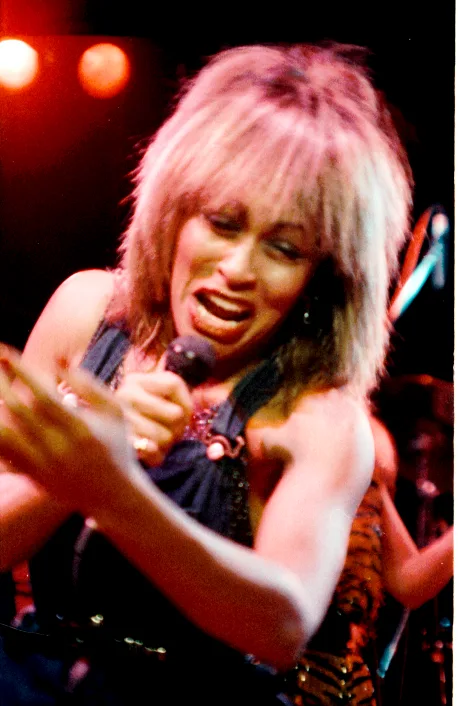
After Private Dancer, Tina Turner remained internationally present. She sang songs such as We Don't Need Another Hero, appeared in Mad Max Beyond Thunderdome in 1985 and filled large arenas and stadiums on tour. Her concerts lived from a rare balance: they were controlled and immediate at the same time. Turner did not stand for fragile nostalgia, but for stage energy that still felt contemporary in the late 1980s and 1990s. She found an especially large audience in Europe.
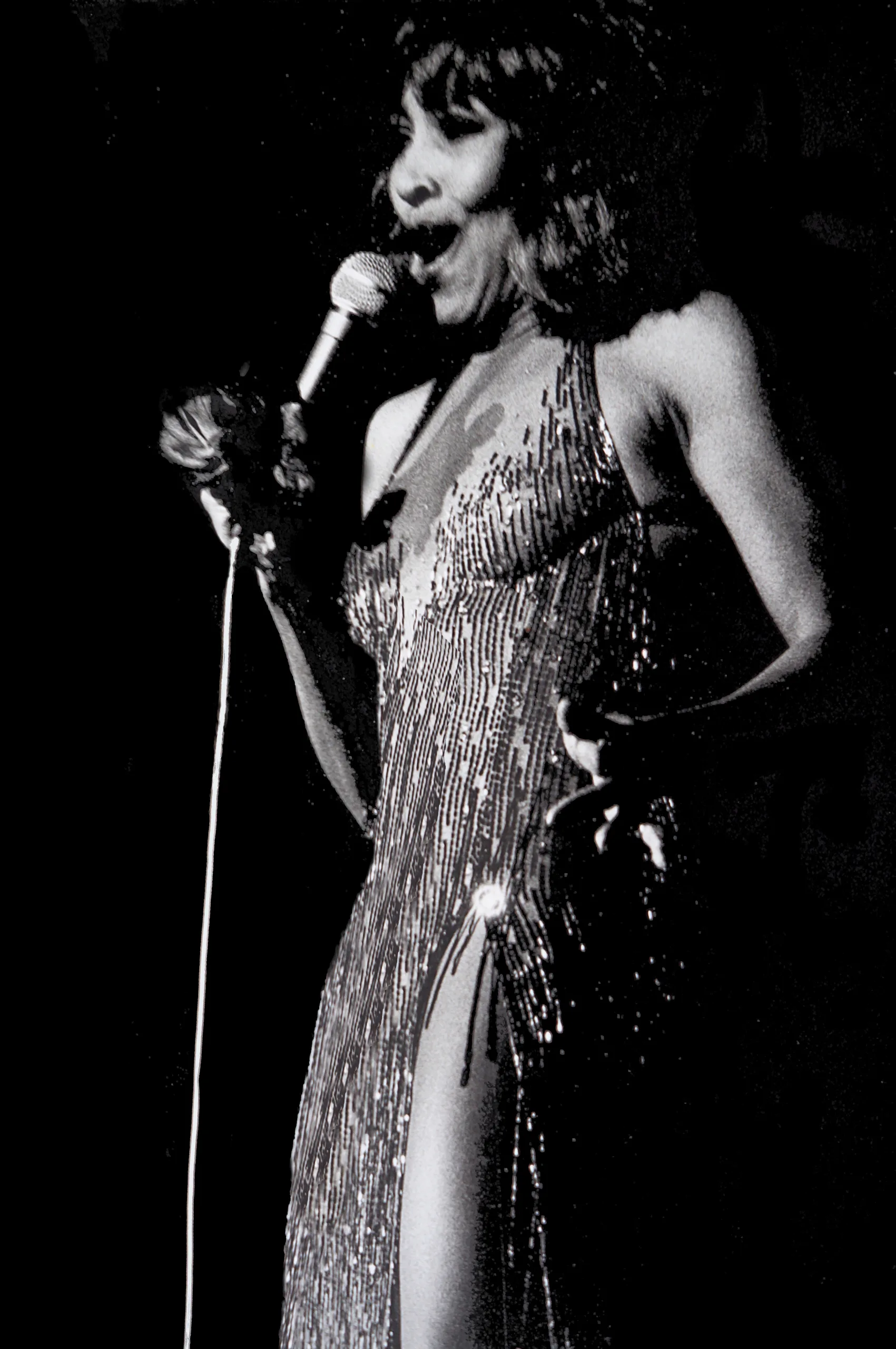
The numbers of her career
Tina Turner's life's work cannot be reduced to awards, but several facts show the breadth of her impact:
- 8 Grammy Awards and further Grammy honours
- Rock and Roll Hall of Fame: inducted with Ike Turner in 1991 and as a solo artist in 2021
- Private Dancer as her international solo breakthrough
- What's Love Got to Do with It as one of her most important global hits
- decades on stage, from the 1950s to the 50th Anniversary Tour
These facts speak of success, but also of duration. Turner did not remain in cultural memory because of one moment alone, but because she showed herself anew more than once without losing the directness of her voice and movement.
Switzerland, Erwin Bach and the later years
In her later years, Switzerland became Tina Turner's home. She lived with Erwin Bach in Küsnacht on Lake Zurich and became a Swiss citizen in 2013. That same year, Turner and Bach celebrated their marriage. Her public appearances became rarer, but her significance continued to grow through memories of her concerts, her autobiographies, the film based on her life and the musical about her story. During those years it became especially clear that she was admired not only as a singer, but as an artist who gave many people an image of strength and self-determination.

Farewell and legacy
On 24 May 2023, Tina Turner died in Küsnacht at the age of 83. Reactions to her death came from music, politics, fellow artists and people who connected her songs with their own lives. Tina Turner remains remembered as a voice, performer and cultural figure: an artist who brought soul, rock and pop together; a woman who rebuilt her career after severe setbacks; and a person whose stage presence stayed immediate. Her legacy lives in songs, in images of movement and light, and in the clarity with which she later told her own life.
Life Events
11 Events1939
Born in Brownsville, Haywood County
1962
Married Ike Turner
until 1978
1972
Grammy Award for Best R&B Performance by a Duo or Group with Vocals
Proud Mary
1985
Grammy Award for Record of the Year
What's Love Got to Do with It
1985
Grammy Award for Best Female Pop Vocal Performance
What's Love Got to Do with It
1985
Grammy Award for Best Female Rock Vocal Performance
Better Be Good to Me
1999
MOBO Awards
2005
Kennedy Center Honors
2013
Married Erwin Bach
until 2023
2021
Rock and Roll Hall of Fame
2023