
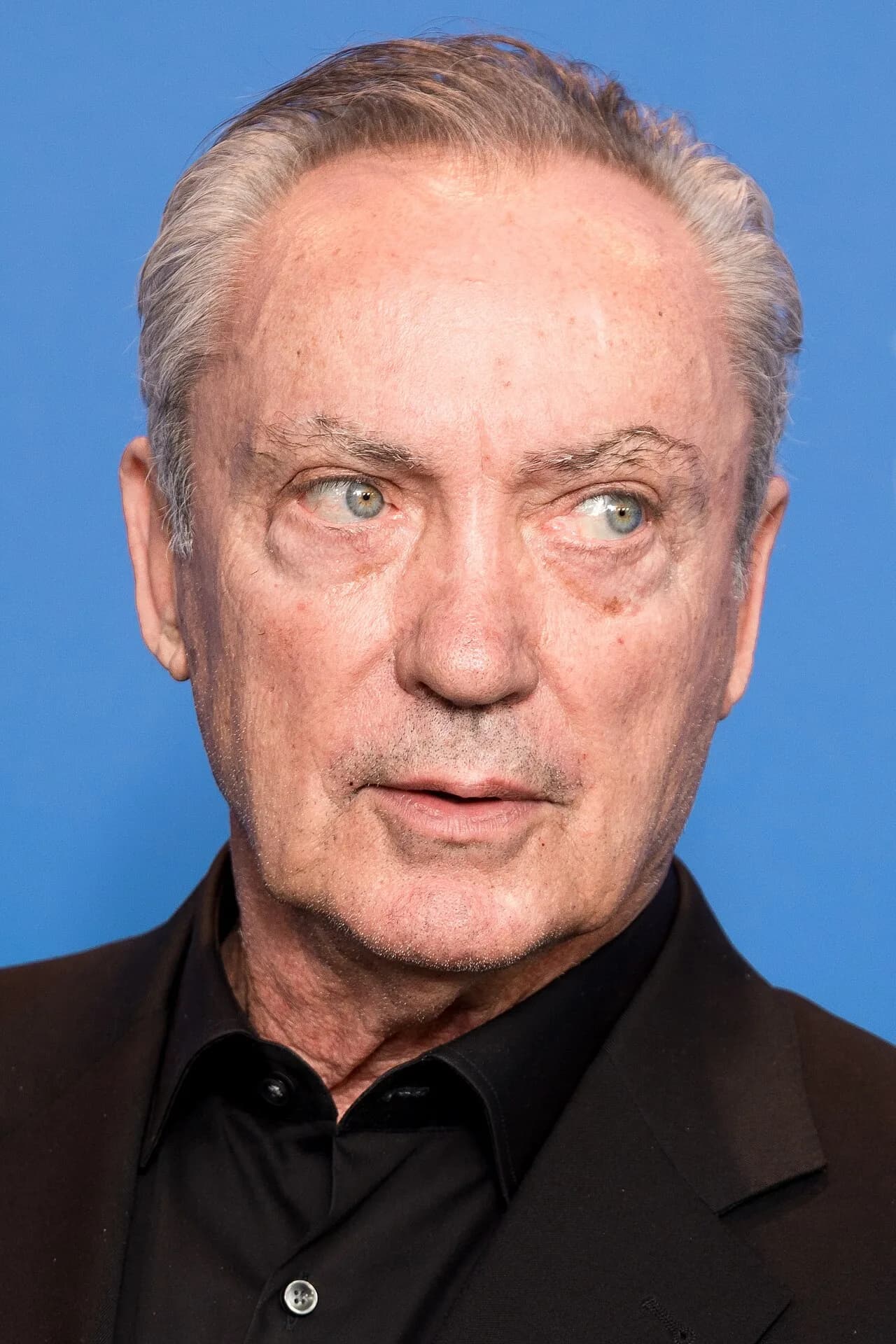
Photo: 📷 Martin Kraft
Biography of Udo Kier
14. Oct 1944 – 23. Nov 2025(81 years)Died in:Rancho Mirage, Riverside County
German actor
0
Candles
0
Condolences
0
Family Tree
Biography
Udo Kier (born Udo Kierspe on 14 October 1944 in Cologne; died 23 November 2025 in Palm Springs) was a German actor. He worked in European art cinema, horror and exploitation films, Hollywood productions, music videos and later video games. His career was unusually broad, but what remained recognizable was his ability to fill supporting roles with precise presence, distance and often unsettling calm.
Cologne, London and early films
Kier was born in Cologne during the final months of the Second World War. He later moved to London and entered film there. His early roles led him into a cinema that emphasized style, physicality and provocation more than everyday psychological realism. He became internationally visible in the 1970s through work around Paul Morrissey and Andy Warhol, including Flesh for Frankenstein and Blood for Dracula. These films shaped his image, but did not confine him to one genre.
Between art cinema and cult film
Kier worked with very different directors: Rainer Werner Fassbinder, Werner Herzog, Lars von Trier, Gus Van Sant, Christoph Schlingensief and many others drew on his particular screen effect. He played aristocrats, outsiders, villains, doctors, artists, vampires, bureaucrats and figures at the edge of realism. Precisely because he was often cast in extreme or stylized roles, he could move between art film, trash, comedy and mainstream cinema without losing his own character.
International roles
In the United States, Kier became known to a wider audience through films such as My Own Private Idaho, Ace Ventura: Pet Detective, Johnny Mnemonic, Armageddon and Blade. At the same time, he remained present in smaller productions. His filmography was not a linear pursuit of prestige, but a record of work, curiosity and very different forms of cinema. That made him an actor many viewers first did not know by name, but whose face and voice they immediately recognized.
Late recognition
In later life Kier received roles that showed his effect in quieter and more vulnerable ways. In Swan Song he played a retired hairdresser setting out for one final assignment. Films such as Bacurau also showed that his presence did not depend only on eccentricity, but on precision and timing. Film festivals and documentaries later honored a career that had long moved between high culture, genre cinema and outsider roles.
Farewell
Udo Kier died in Palm Springs on 23 November 2025. His life's work includes more than 200 film and television roles. It stands for an acting career that could not be smoothed out: European and American, elegant and excessive, comic and threatening, often brief on screen and still difficult to forget.
Life Events
2 Events1944
Born in Köln, North Rhine-Westphalia
2025