/

Photo: 📷 John Mathew Smith & www.celebrity-photos.com from Laurel Maryland, USA ( Archived link)
Biography of Diana, Princess of Wales
1. Jul 1961 – 31. Aug 1997(36 years)Died in:Pitié-Salpêtrière Hospital, Île-de-France
Member of the British royal family and Princess of Wales
1
Candles
0
Condolences
1,467
Family Tree
Biography
Birthplace
Sandringham House, England
Children
2
Burial Place
Althorp
Occupation(10)
Spouse(1)
Charles III
Education(3)
Diana, Princess of Wales (born 1 July 1961 as Diana Frances Spencer in Sandringham, Norfolk; died 31 August 1997 in Paris) was one of the most closely watched public figures of the twentieth century. As the first wife of Charles, Prince of Wales, and mother of Princes William and Harry, she stood at the centre of public attention for almost two decades. She is remembered above all, however, for something that reached beyond royal protocol: for the direct, physical warmth with which she approached the sick and the marginalised, for her campaign against landmines, and for the courage to speak openly about her own vulnerability rather than conceal it.
Childhood in Norfolk and the move to Althorp
Diana grew up as the third of four children of Edward John Spencer, Viscount Althorp, and Frances Spencer, at Park House near Sandringham, a property her family leased on the royal Sandringham estate. Her elder brother John had died shortly after birth a year before Diana was born; the pressure to produce a male heir added further strain to her parents' marriage. Edward and Frances Spencer separated in 1967 and divorced two years later; Diana grew up mainly with her father. She attended several boarding schools, including West Heath in Kent, and moved to London in 1978, where she eventually worked as an assistant at the Young England Kindergarten in Pimlico. When her grandfather, the 7th Earl Spencer, died in 1975, her father inherited the earldom; the family moved to the ancestral seat of Althorp in Northamptonshire, and Diana Spencer became Lady Diana Spencer.
Engagement and marriage to the heir to the throne
Diana and Charles, Prince of Wales, had known each other through the social circle of her elder sister, Sarah. On 24 February 1981, Buckingham Palace announced their engagement; Diana wore a large oval sapphire engagement ring that would itself become widely recognised. The wedding on 29 July 1981 at St Paul's Cathedral in London became one of the most watched television events of its era, with a global audience estimated at several hundred million. Through the marriage, the twenty-year-old Diana became Princess of Wales - a title that would define her public role for the rest of her life.
First overseas tours as Princess of Wales
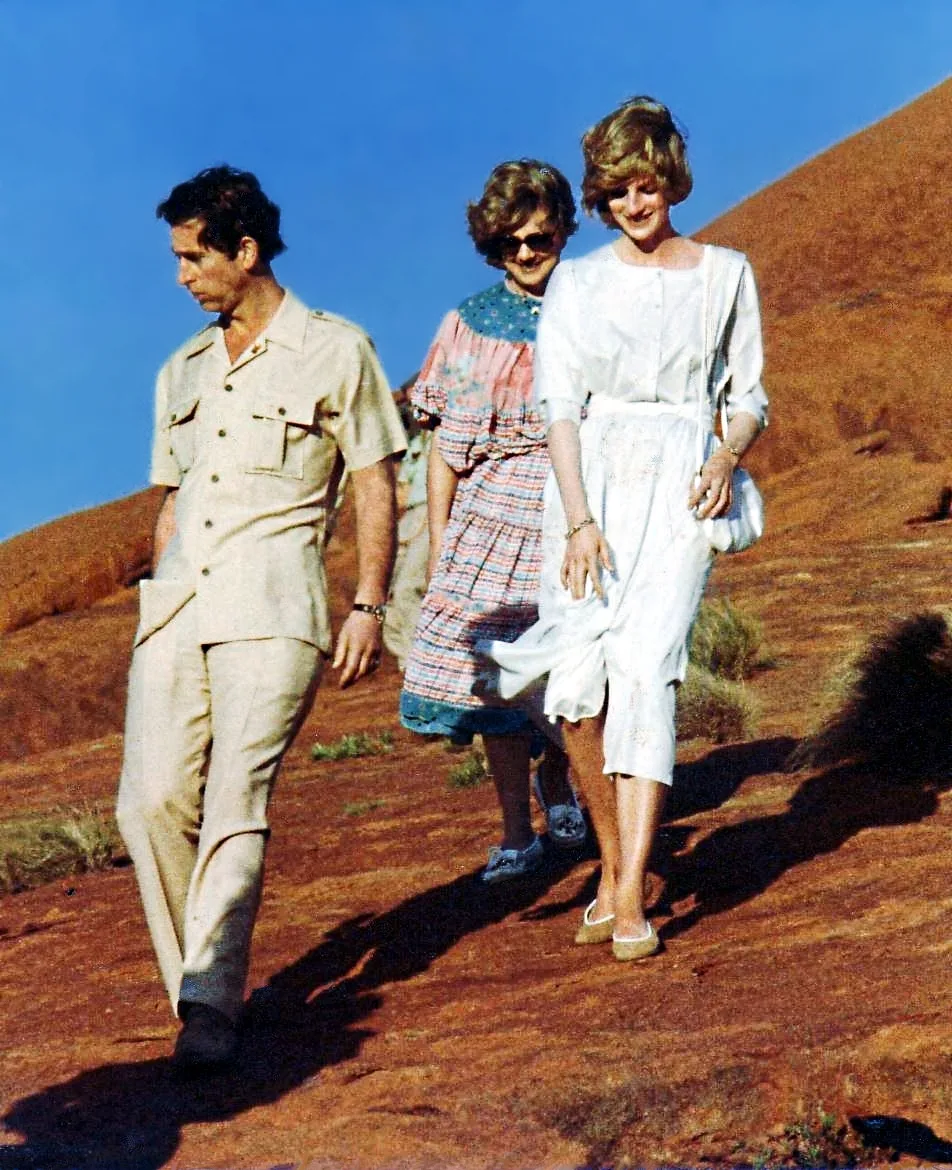
In the early years of her marriage, Diana took on a demanding schedule of official overseas tours. The joint tour of Australia and New Zealand in the spring of 1983 is widely regarded as a turning point in how she was perceived, with images of the young couple - including their visit to Uluru in Australia's Northern Territory - followed by millions. Diana approached the people she met with an openness and directness that departed from the reserve traditionally expected of royal appearances. Within months she had become one of the most photographed women in the world, and the international press began to follow her clothing, gestures and demeanour with an attention rarely given to a member of the British royal family before her.
Motherhood and a new tone within the royal family
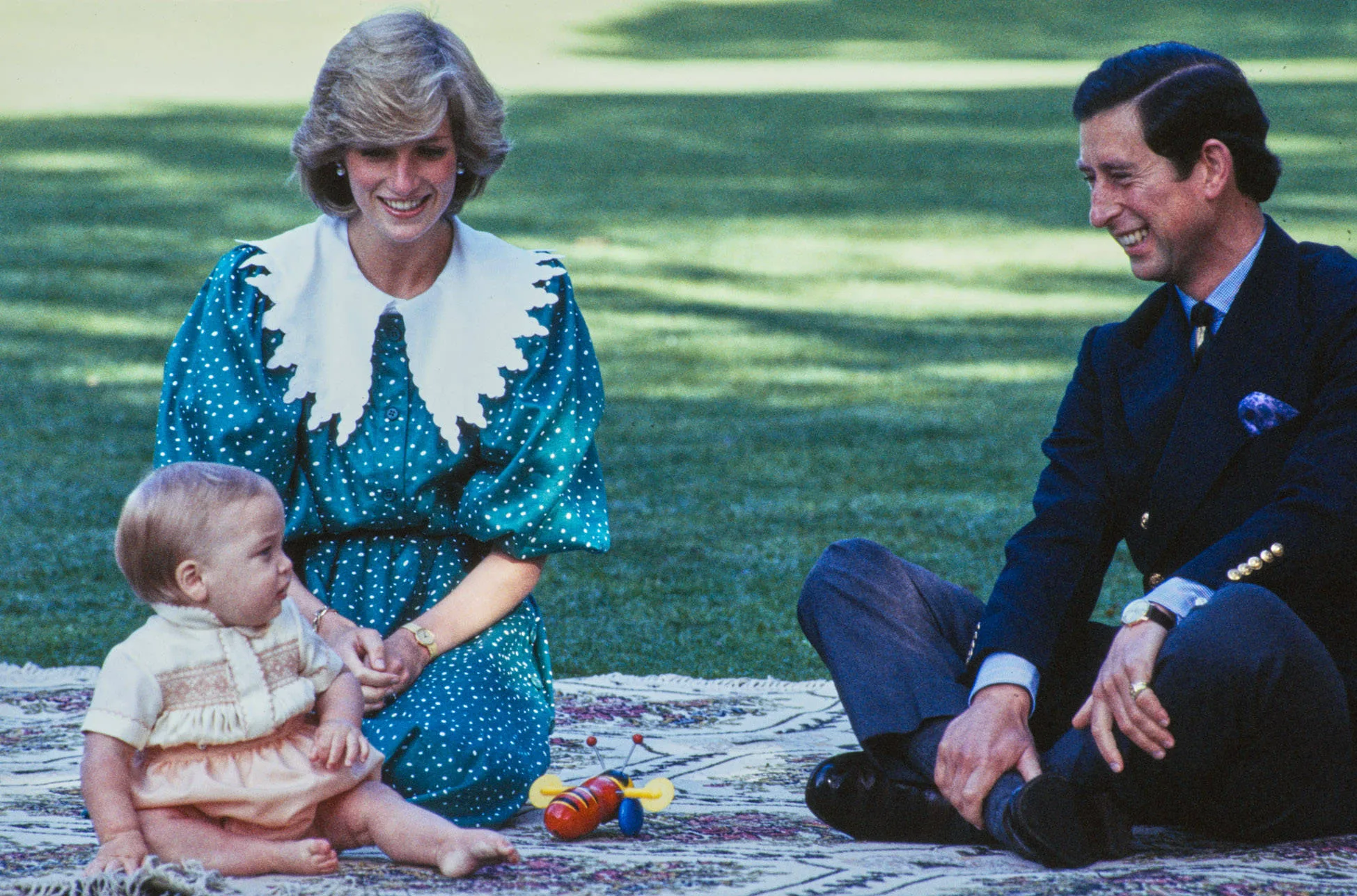
Prince William was born at St Mary's Hospital in London on 21 June 1982, and Prince Harry followed on 15 September 1984. Unlike previous royal practice, Diana frequently took both sons with her on official tours and insisted on taking them to school herself whenever possible. She spoke openly about wanting her children to experience life beyond the confines of court, taking them, from an early age, to visit homeless shelters and hospitals alongside her. Over time, this more hands-on style of parenting reshaped public expectations of what royal motherhood could look like.
An evening that became an image: the White House, 1985
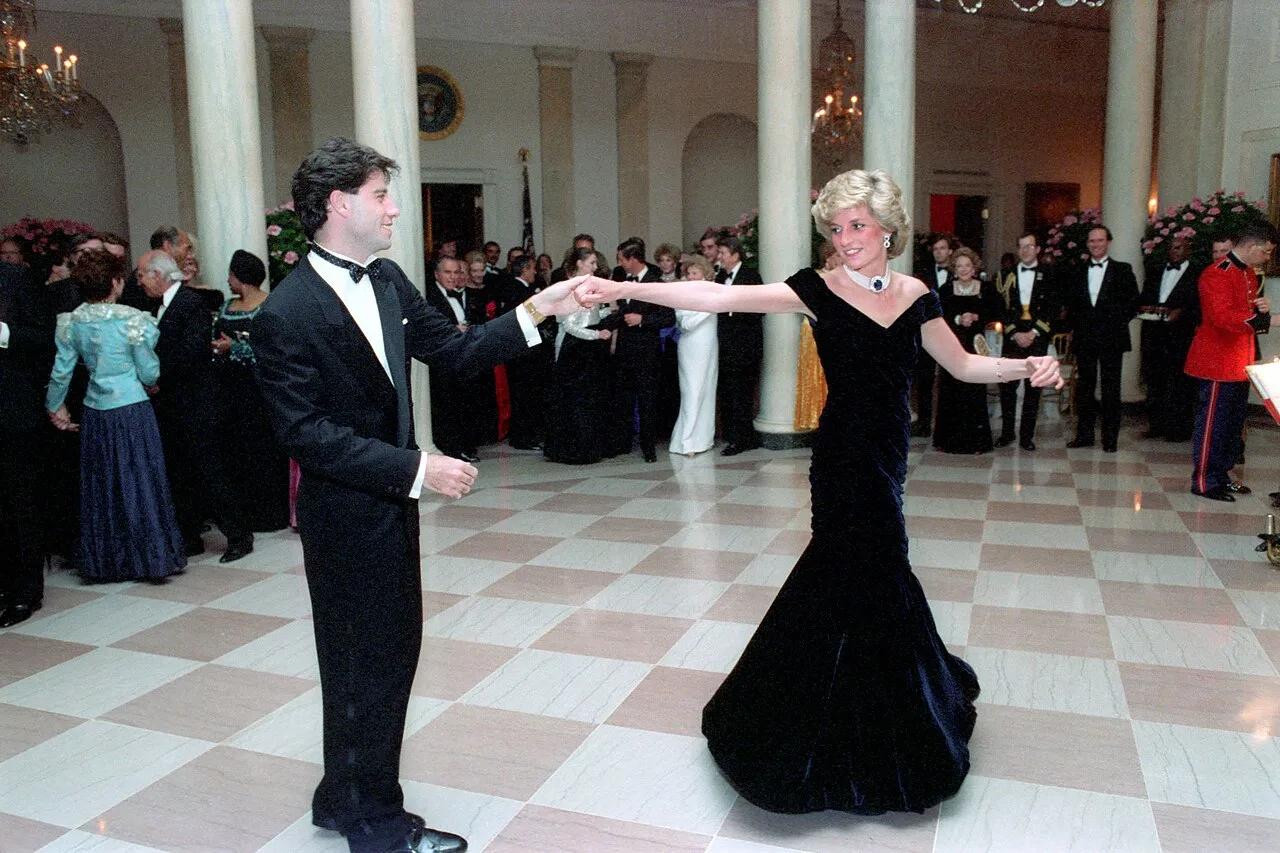
At the White House state dinner on 9 November 1985, Diana wore a midnight-blue velvet gown by designer Victor Edelstein. Dancing in it with actor John Travolta across the floor of the Cross Hall produced one of the most widely reproduced photographs of her life - a moment that cemented her reputation as an international style icon. Diana increasingly treated her public appearances as a language in their own right: clothing, posture and gesture carried meanings of their own, making her one of the most photographed and most imitated women of her generation.
Compassion as a hallmark
Alongside her life as a style icon, Diana developed a form of humanitarian engagement that set her apart from other members of the royal family. On 9 April 1987, she opened Britain's first dedicated ward for AIDS patients at the Middlesex Hospital in London and shook the bare hand of a patient without gloves, at a time when fear and prejudice toward people with HIV were widespread. The photograph travelled around the world and is widely credited with helping reduce the stigma faced by people living with the virus. Diana also supported the Leprosy Mission, repeatedly visited hospices such as the Accord Hospice in Paisley, Scotland, and in 1989 became president of the Great Ormond Street Hospital for Children, a role she kept until her death. At various points in her life, she served as president or patron of more than one hundred charities.
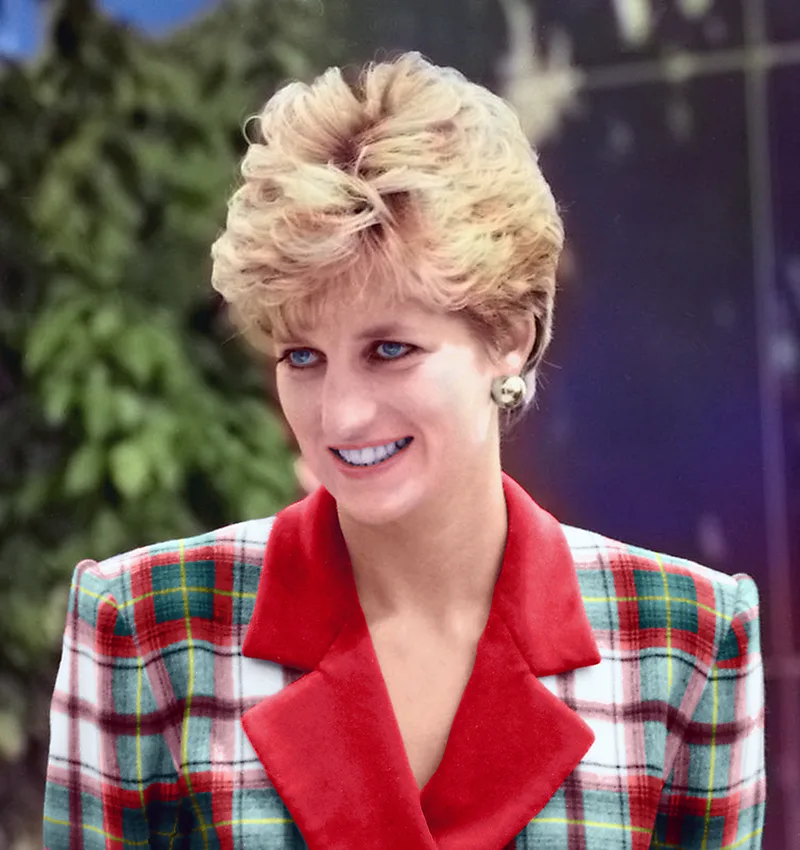
Openness, divorce and a sharper focus
Through the 1990s, the strains within Diana's marriage increasingly became public. In November 1995, she spoke candidly on the BBC programme Panorama about the pressures of her life beside the heir to the throne, the weight of constant public scrutiny, and her own long, largely hidden struggle with bulimia. For someone of her rank, such openness about mental illness was unusual at the time and helped lift the subject out of public taboo. In August 1996, the marriage was formally dissolved; Diana kept the title Princess of Wales but lost the style Her Royal Highness. She stepped down from more than a hundred patronages and concentrated instead on six organisations to which she felt particularly connected, among them Centrepoint, the English National Ballet, Great Ormond Street Hospital, the Leprosy Mission, the National AIDS Trust and the Royal Marsden Hospital.
The campaign against landmines
In June 1995, Diana travelled to Moscow, where she was honoured with the international Leonardo Prize for her social engagement and visited a children's hospital in the Tushino district of the city. In January 1997, wearing protective gear, she walked through an active minefield in Huambo, Angola, alongside the mine-clearing organisation the Halo Trust - an image that drew international attention and gave a decisive public boost to the campaign for a global ban on landmines. Nelson Mandela later explicitly praised her contribution to that cause. Months after her death, the international Ottawa Treaty banning landmines came into force, and campaigners have continued to link its success to her public appearance in Angola.
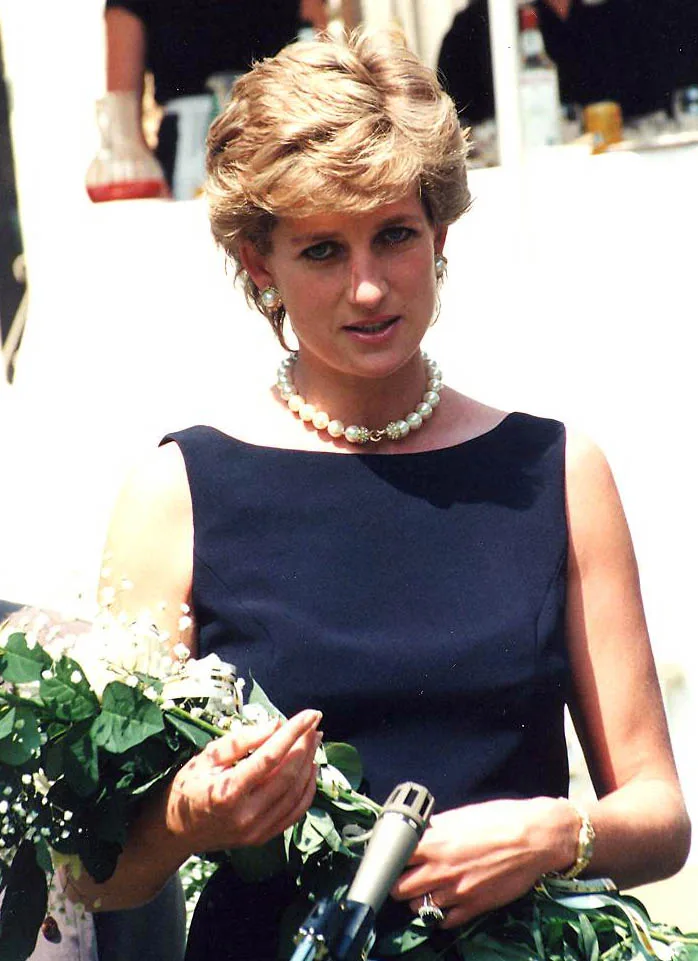
Death in Paris
In the early hours of 31 August 1997, the car in which Diana was travelling with her companion Dodi Fayed and driver Henri Paul crashed in a road tunnel beneath the Pont de l'Alma in Paris. Diana died from her injuries later that same night. She was 36 years old. News of her death produced an outpouring of grief that the United Kingdom, and much of the world, had rarely witnessed before.
National mourning
In the days that followed, tens of thousands of people gathered outside the gates of Kensington Palace, her London residence, leaving flowers, candles and personal messages. Within days, a sea of flowers covered large parts of the surrounding parkland. British Prime Minister Tony Blair spoke in those days of the "people's princess", capturing a mood that reached far beyond Britain's borders.
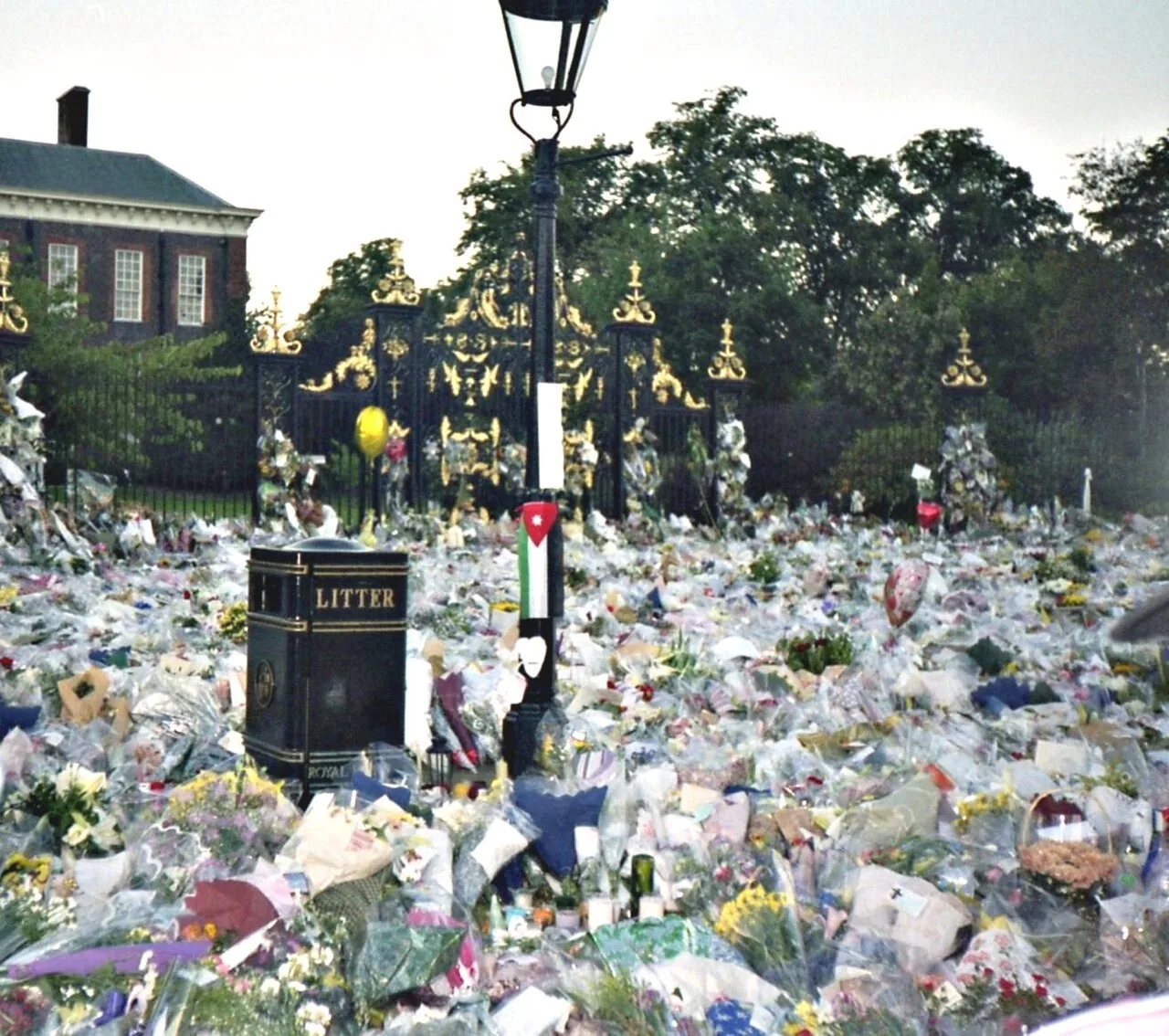
The funeral at Westminster Abbey
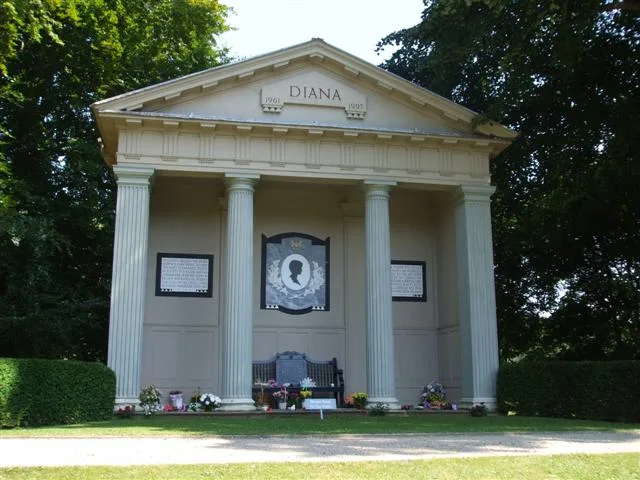
On 6 September 1997, the funeral service took place at Westminster Abbey, watched by one of the largest television audiences in history. Diana's coffin was carried through the streets of London on a gun carriage, escorted by mounted soldiers of the King's Troop Royal Horse Artillery; Prince Philip, Prince Charles, Diana's brother Charles Spencer, and Princes William and Harry walked part of the route behind the coffin. Afterwards, Diana was buried in a private ceremony on the Althorp estate.
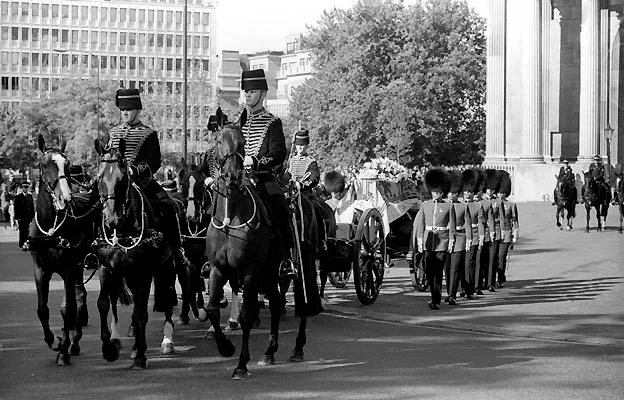
Legacy
Diana rests to this day on a small island in the lake at Althorp, landscaped by her family in her memory. Her name has remained closely tied to the causes she championed: the Halo Trust continues the landmine clearance work she brought to public attention in several countries, and Great Ormond Street Hospital still honours her as a former president, including with a bust displayed in its chapel. In 2021, on what would have been her sixtieth birthday, her sons William and Harry unveiled a statue they had jointly commissioned in the Sunken Garden at Kensington Palace. Her life still stands for an approach that replaced royal distance with direct human warmth, spoke about her own vulnerability instead of hiding it, and showed that public standing and genuine compassion were not mutually exclusive.
Life Events
4 Events1961
Born in Sandringham House, England
1981
Royal Family Order of Elizabeth II
1981
Married Charles III
until 1996
1997