/


Biography
Children
4
Burial Place
King George VI Memorial Chapel
Awards(10)
Grand Cross of the Legion of HonourKnight Grand Cross with Collar of the Order of Merit of the Italian RepublicGrand Order of King TomislavOrder of the White EagleCollar of the Order of the White LionKnight of the Order of the Golden FleeceOrder of the Crown of IndiaKnight of the GarterKnight Grand Cross with Collar of the Order of Saint OlavOrder of the Three Stars, 1st Class
Spouse(2)
Prince Philip, Duke of EdinburghPhilip, Duke of Edinburgh
Elizabeth II (born 21 April 1926 in London; died 8 September 2022 at Balmoral Castle, Scotland) was Queen of the United Kingdom and other Commonwealth realms from 1952 to 2022. Her reign lasted more than 70 years and became a historical measure in itself. To many people she represented continuity, duty and restraint; at the same time, her lifetime was shaped by decolonisation, social change, media scrutiny and repeated criticism of monarchy.
Childhood and unexpected succession
Elizabeth Alexandra Mary Windsor was born in Mayfair. At her birth it was not expected that she would become queen. That changed in 1936, when her uncle Edward VIII abdicated and her father became King George VI. Elizabeth was ten years old and became heir presumptive. Her education was then directed more strongly toward constitutional history, languages and public duties.
War, service and marriage
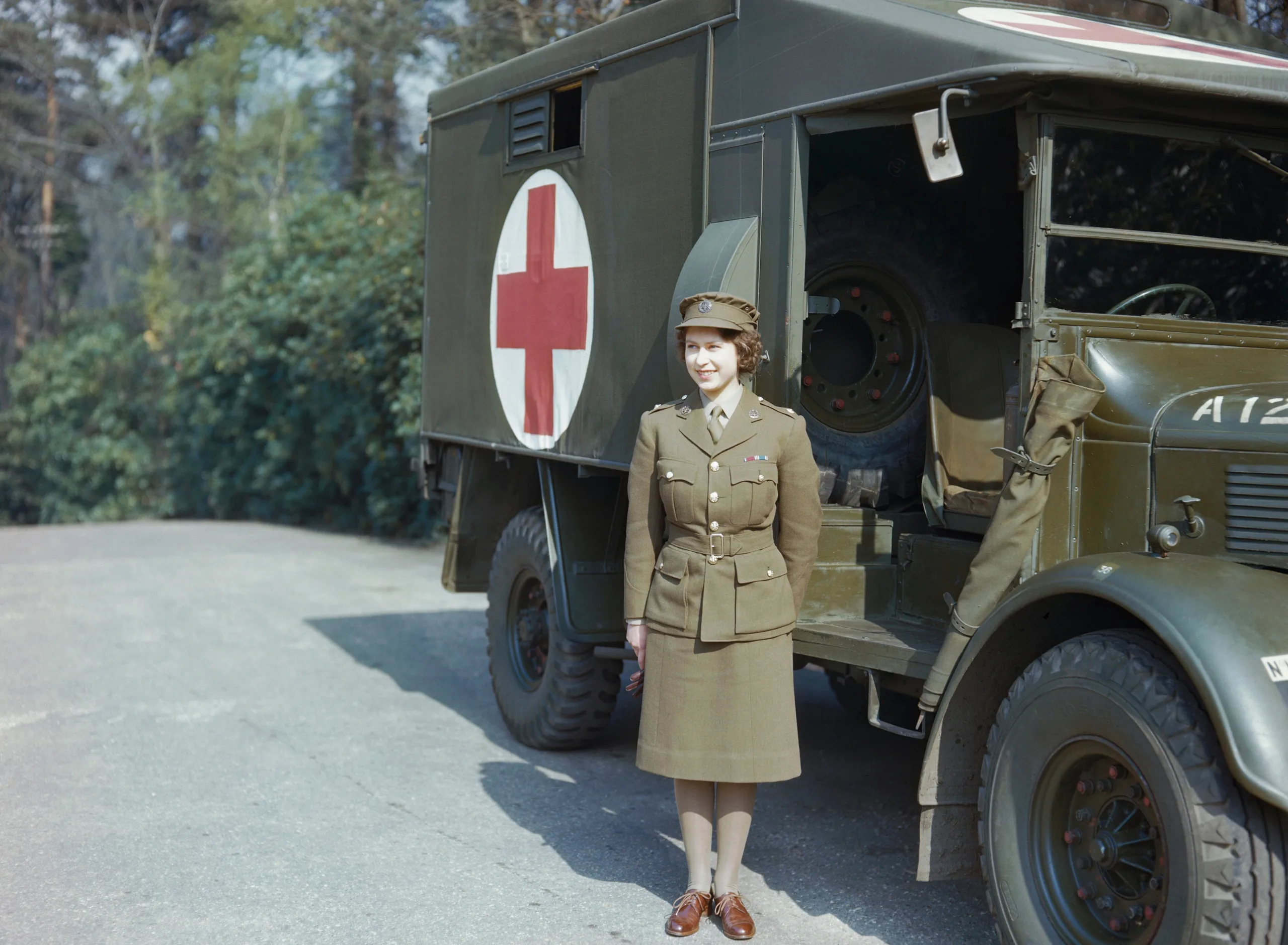
During the Second World War Elizabeth first became publicly visible through broadcasts to young people. In 1945 she joined the Auxiliary Territorial Service, becoming the first woman in the Royal Family to serve as a full-time active member of the British armed services. In 1947, on her twenty-first birthday, she made a broadcast from South Africa pledging her life to service. The same year she married Philip Mountbatten. Their marriage remained a central private support until Philip's death in 2021.
Accession and coronation
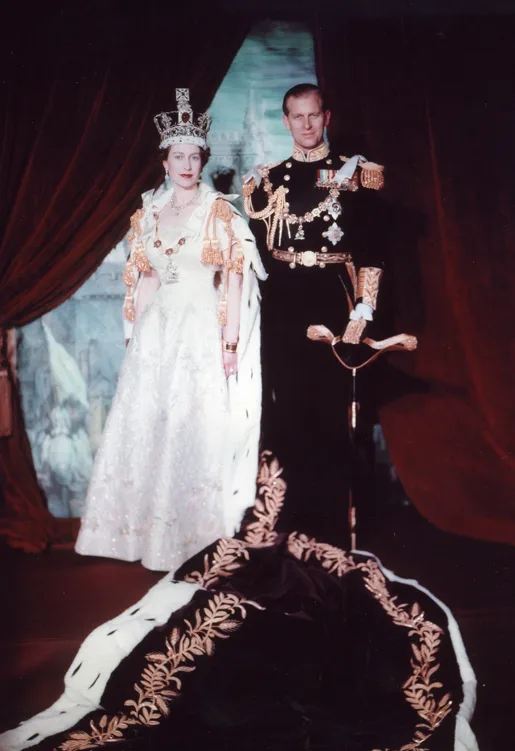
George VI died on 6 February 1952. Elizabeth was in Kenya with Philip and became queen there, at the age of 25. Her coronation took place at Westminster Abbey on 2 June 1953 and, at her request, was televised. A centuries-old ritual was thereby made visible to millions of people. The new queen took office in a world in which the British Empire was already dissolving and the Commonwealth had to find a new, less imperial form.
A working monarch
Elizabeth II understood her role less as political authorship than as institutional presence. She opened parliaments, received state visitors, gave royal assent to laws, met prime ministers regularly and travelled across the United Kingdom and many Commonwealth countries. Her strength lay in reliability and repetition: the monarchy was not meant to surprise, but to function. That made her a fixed point of projection across very different political eras.
Commonwealth and change
During her reign many former colonies became independent. Elizabeth II remained Head of the Commonwealth and visited many countries repeatedly. These journeys could create closeness, but they also showed that the history of the Commonwealth cannot be understood without colonialism, inequality and violence. A biography of Elizabeth II should not tell this change as a simple success story. Her personal manner was usually diplomatic and restrained; the institution she embodied carried a long imperial past.
Crises and public scrutiny
The later decades of her reign were marked by stronger media attention. In 1992 she herself called the year an annus horribilis: several of her children's marriages were breaking down, Windsor Castle burned, and the monarchy faced growing criticism. After the death of Diana, Princess of Wales, in 1997, the court's restraint was widely perceived as coldness. Later burdens included debates about cost, privilege, colonial history and the conduct of individual family members. Elizabeth II rarely responded directly, preferring gradual adaptation.
Jubilees and later years
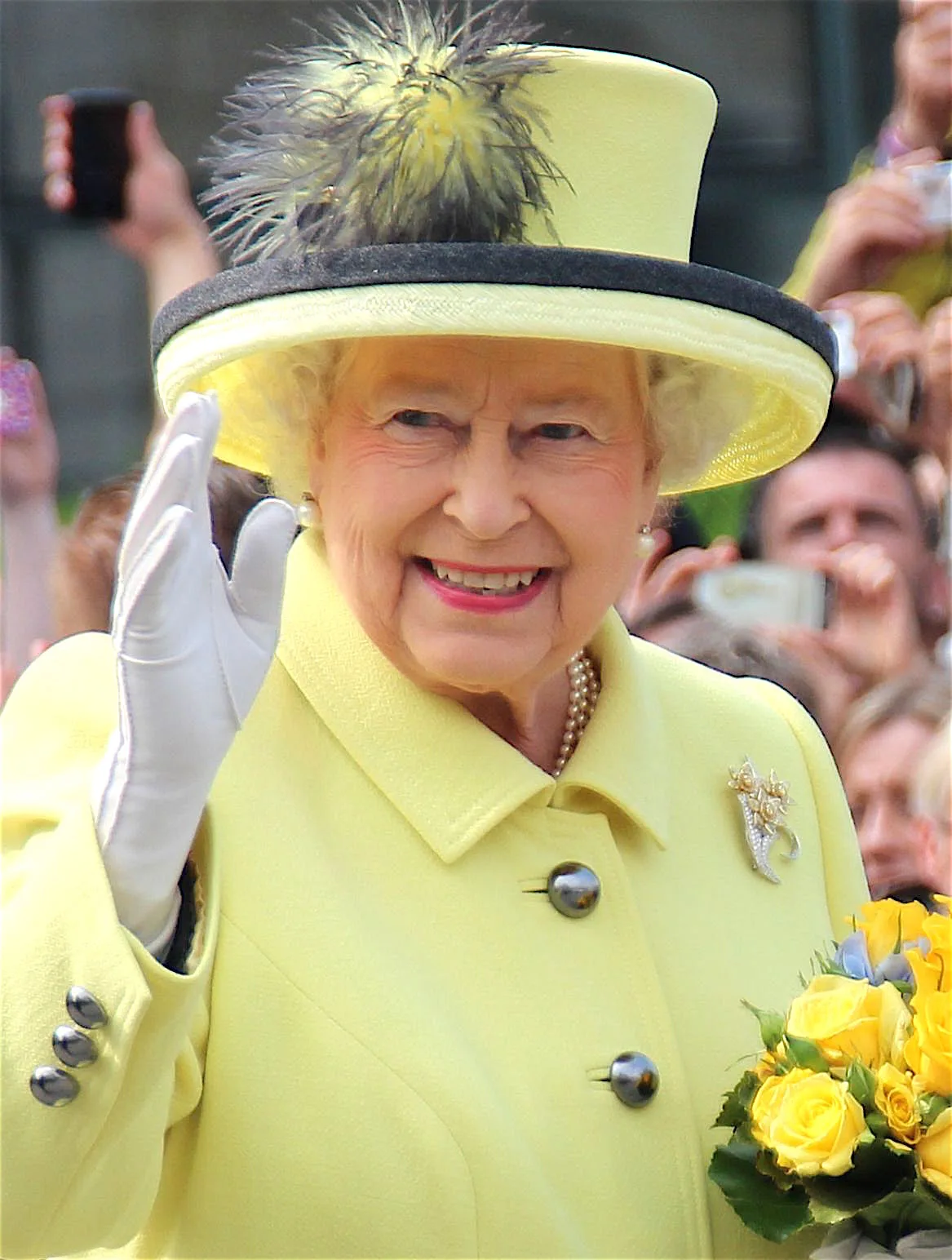
Her major jubilees were marked in 1977, 2002, 2012 and 2022. On 9 September 2015 she surpassed Queen Victoria as the longest-reigning monarch in British history. The Platinum Jubilee of 2022 marked 70 years on the throne, only a few months before her death. In her final years she handed more duties to other members of the Royal Family, while remaining symbolically present.
Farewell
Elizabeth II died at Balmoral Castle on 8 September 2022. She was 96 years old. Her death ended a reign that spanned almost the entire postwar era. Her significance does not lie in exercising political power in the usual sense, but in keeping an institution visible, predictable and adaptable over decades. To remember her is also to ask how tradition can continue in a changed world.
Life Events
12 Events1926
Born in 17 Bruton Street, Mayfair, United Kingdom
1947
Knight of the Garter
1947
Married Prince Philip, Duke of Edinburgh
until 2021
1948
Grand Cross of the Legion of Honour
1955
Knight Grand Cross with Collar of the Order of Saint Olav
1958
Knight Grand Cross with Collar of the Order of Merit of the Italian Republic
1989
Knight of the Order of the Golden Fleece
1996
Order of the White Eagle
1996
Collar of the Order of the White Lion
1996
Order of the Three Stars, 1st Class
2001
Grand Order of King Tomislav
2022