/
Biography
Occupation(4)
Awards(1)
Bollinger Everyman Wodehouse Prize
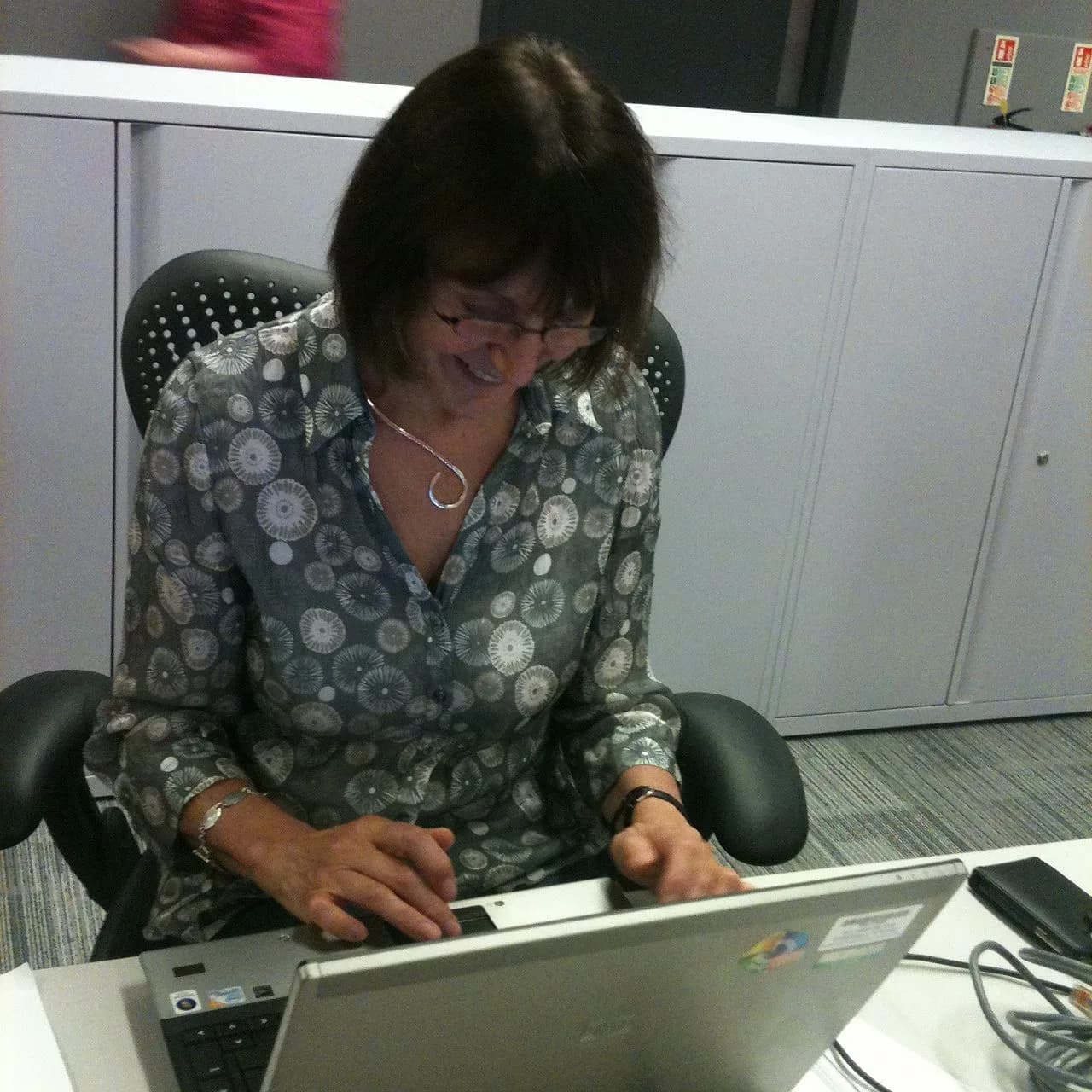
Marina Lewycka (born 12 October 1946 in Kiel; died 11 November 2025) was a British-Ukrainian writer and former university lecturer. She became widely known in 2005 with A Short History of Tractors in Ukrainian, a novel that brought together family conflict, migration history and comedy.
Born in postwar Europe
Lewycka was born in a British-run refugee camp in Kiel. Her Ukrainian parents had been taken to Germany during the Second World War; when Marina Lewycka was about a year old, the family moved to England. She grew up in Yorkshire, Lincolnshire and Oxfordshire. Ukrainian remained present at home while she learned English at school and in daily life. That experience of living between languages, memories and new forms of belonging later shaped many of her fictional characters.
Studies, teaching and a late literary debut
Lewycka studied English and philosophy at Keele University and then English literature at the University of York. She began a PhD at King's College London but did not complete it. She worked in adult education, wrote practical books for carers and taught media studies at Sheffield Hallam University. For many years she wrote alongside work and family life before a creative-writing course in Sheffield helped turn her material into her first novel.
A Short History of Tractors in Ukrainian
A Short History of Tractors in Ukrainian was published by Viking on 31 March 2005. The novel follows two sisters, their widowed Ukrainian father and a late marriage that exposes family conflict and memories of European violence. The book became an international success, sold more than a million copies in the United Kingdom, was longlisted for the Man Booker Prize and shortlisted for the then Orange Prize for Fiction. At the Hay Festival, Lewycka won the Bollinger Everyman Wodehouse Prize for comic writing.
Novels about migration, everyday life and social friction
After her debut, Lewycka published further novels including Two Caravans, We Are All Made of Glue, Various Pets Alive and Dead, The Lubetkin Legacy and The Good, the Bad and the Little Bit Stupid. Her books use humour, but they deal with serious material: labour migration, care, ageing, class, family loyalty and the fractures of twentieth-century Europe return again and again. Lewycka wrote from close knowledge of Sheffield and contemporary Britain while keeping her family's Ukrainian background in view.
Illness and death
In her later years Lewycka lived with multiple system atrophy, a rare progressive neurological condition. She wrote publicly about how the illness changed her movement, speech and writing. Marina Lewycka died on 11 November 2025 at the age of 79. She was survived by her partner Donald Sassoon and her daughter Sonia.
Work and afterlife
Lewycka's novels reached a wide readership because they joined wit with close social observation. Her characters are often people living between countries, languages, generations and economic pressures. The lasting force of her work lies in that combination of comedy, precise attention to everyday settings and historical memory.
Life Events
3 Events1946
Born in Kiel, Kreisfreie Stadt Kiel
2005
Bollinger Everyman Wodehouse Prize
2025