
Biography of Muhammad Ali
17. Jan 1942 – 3. Jun 2016(74 years)Died in:Scottsdale, Maricopa County
American boxer
1
Candles
0
Condolences
10
Family Tree
Biography
Children
9
Religion
Nation of Islam
Burial Place
Grave of Muhammad Ali
Occupation(4)
Awards(10)
Spouse(4)
Education(2)
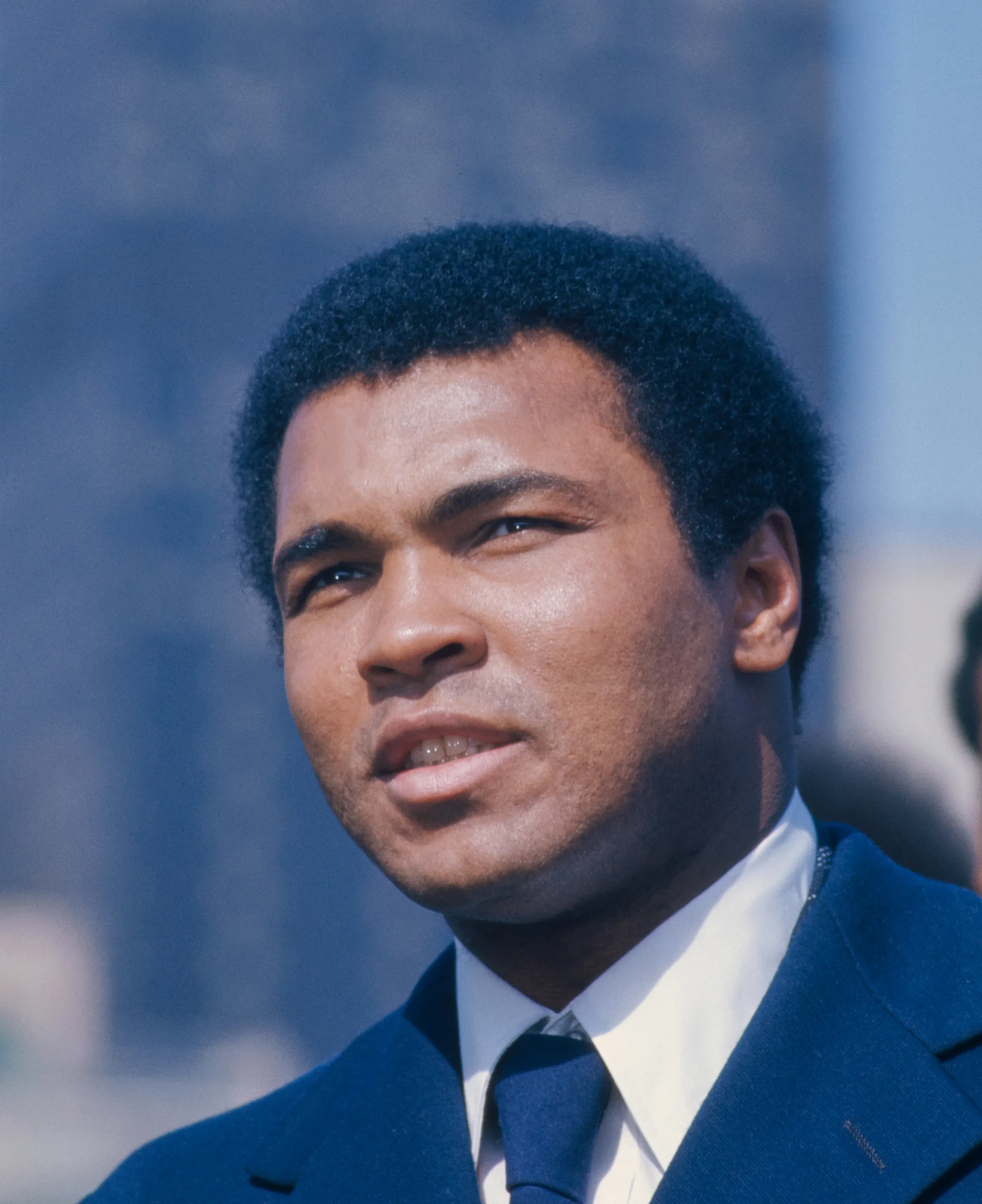
Muhammad Ali (born Cassius Marcellus Clay Jr. on 17 January 1942 in Louisville, Kentucky; died 3 June 2016 in Scottsdale, Arizona) was an American boxer, activist and public figure of global importance. He became an Olympic champion, a three-time world heavyweight champion and one of the most distinctive voices against the Vietnam War. Ali connected sport, language, religion, self-performance and political risk in a way that reached far beyond the boxing ring.
Louisville and the road to boxing
Ali grew up as Cassius Clay in Louisville. His father painted signs, and his mother Odessa Clay worked in the household. The often-told bicycle story is more than folklore: after Clay's bicycle was stolen, he met police officer and boxing trainer Joe Martin. Anger became training, and training became talent. Clay developed an unusual relationship to boxing early on: he wanted not only to hit harder, but to be faster, look better, speak louder and force the opponent into a role before the fight had even begun.
Olympic champion and world champion
In 1960 Clay won Olympic gold at light heavyweight in Rome. He then turned professional and staged himself as a young boxer with bold claims, rhymes and almost outrageous confidence. In 1964 he defeated Sonny Liston in Miami Beach and became world heavyweight champion. Soon afterward his new name, Muhammad Ali, became public. The step was athletic, religious and social at once: Ali rejected the name Cassius Clay, joined the Nation of Islam and insisted on deciding for himself who he was.
Style in the ring
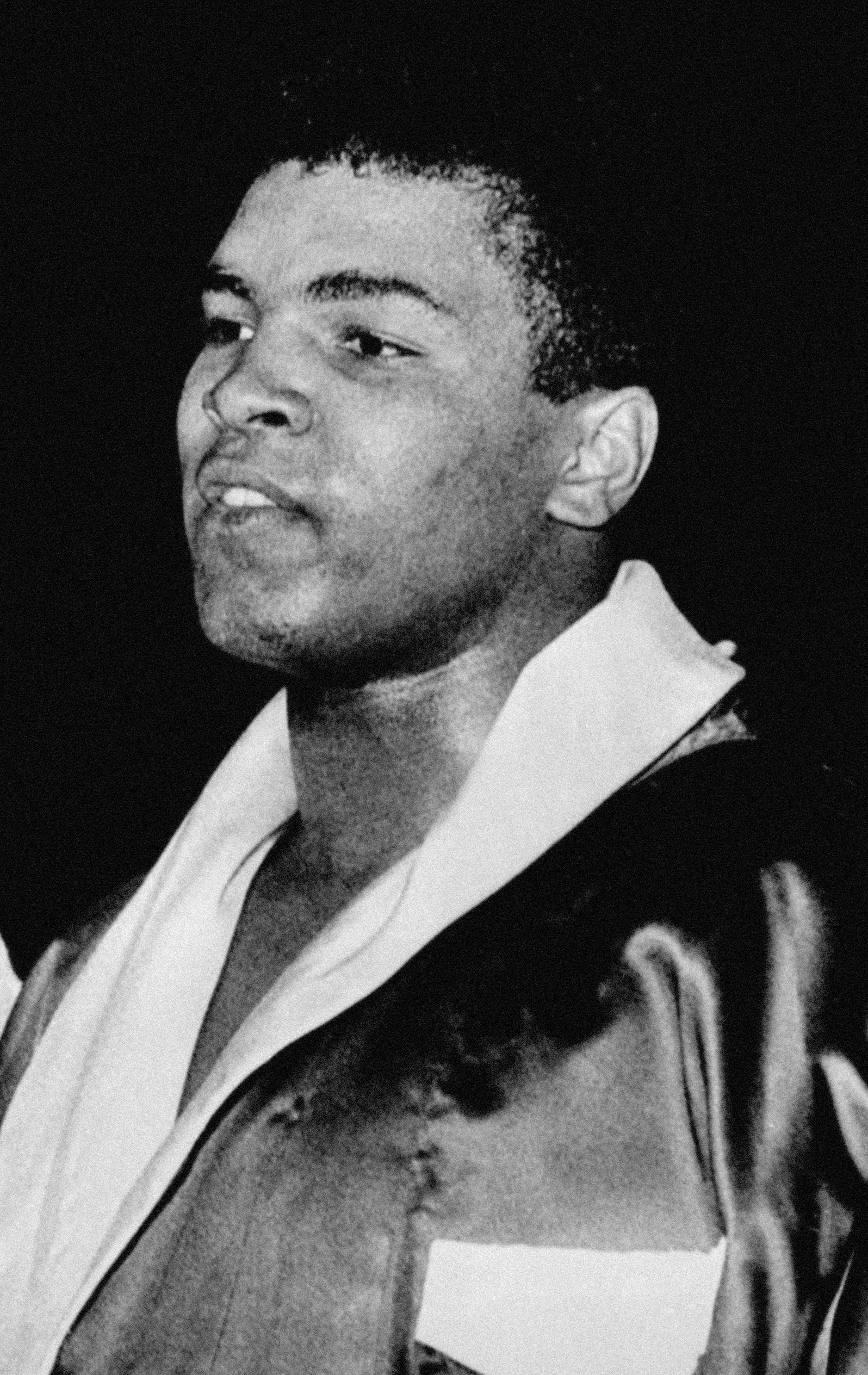
Ali changed the image of the heavyweight. For his class he moved with unusual lightness, boxed at range, provoked, slipped punches and made the fight a psychological event. His style was spectacular, but not without risk. Later he took heavy punishment, especially in the great fights of the 1970s. That is why the price his body paid belongs to his greatness. Ali was not only invincible pose; he was an athlete who carried beauty, hardness and vulnerability in the same body.
Vietnam, faith and exile
In 1967 Ali refused military service in the Vietnam War on religious and political grounds. He was convicted, lost his title and was barred from boxing for years. To many people this made him a traitor; to others he became a symbol of resistance. In retrospect, exactly that stance became central to his legacy. Ali risked not only applause, but income, career time and public acceptance. In 1971 the Supreme Court overturned his conviction. The boxer returned to the ring, but the lost years remained part of his story.
Return and greatest fights
After his suspension, Ali faced a new generation of opponents. The first fight against Joe Frazier in 1971 was promoted as the Fight of the Century and ended in Ali's defeat. In 1974 he defeated George Foreman in Kinshasa in the Rumble in the Jungle and regained the heavyweight title. In 1975 came the third fight against Frazier, the Thrilla in Manila, one of the hardest fights in boxing history. These years made Ali a legend for good, but they also showed how close fame, courage and bodily damage could be.
Public figure
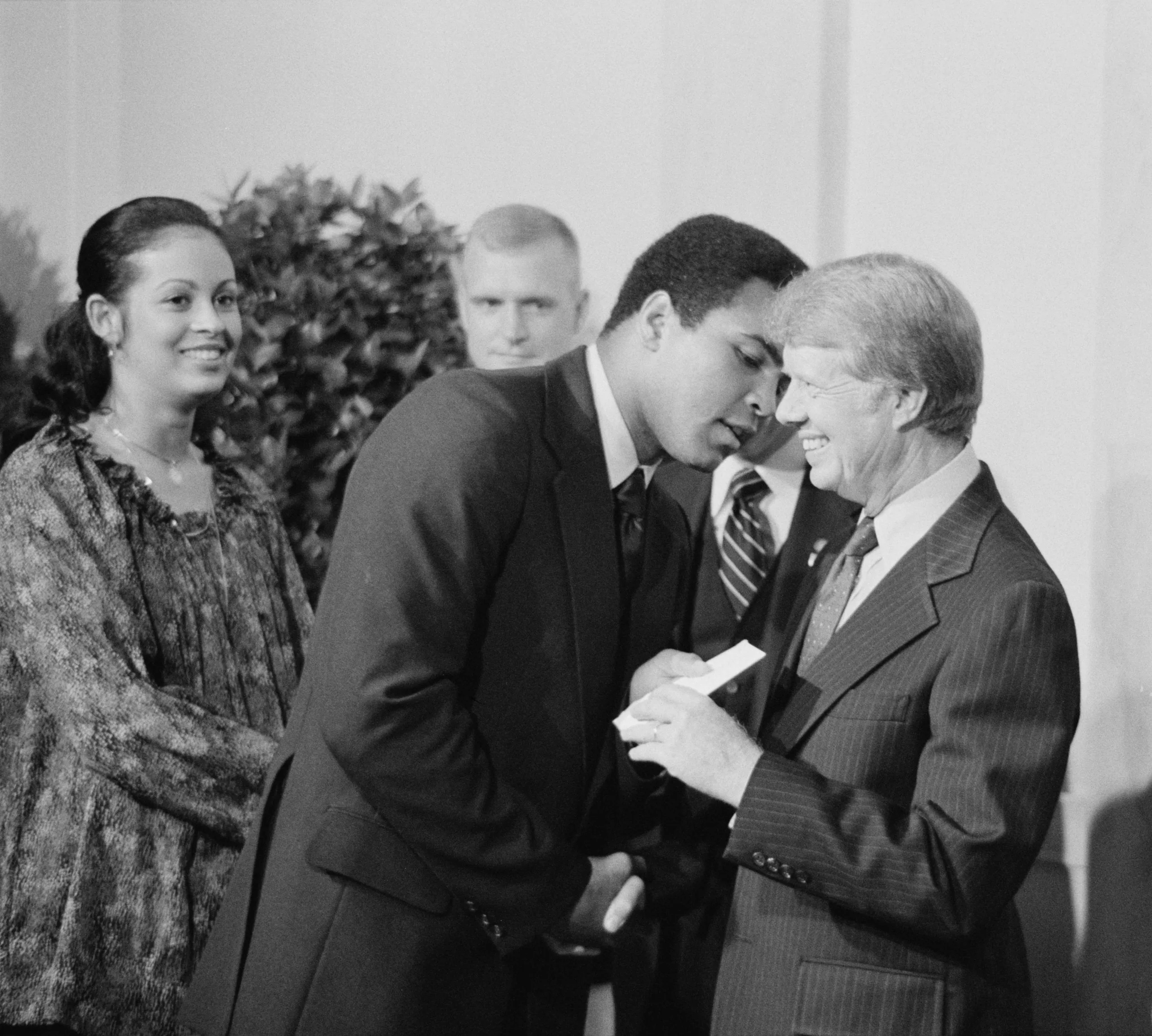
After his active career, Ali remained present around the world. Parkinson's disease changed his voice and movement, but did not remove his symbolic force. In 1996 he lit the Olympic flame in Atlanta, a moment made powerful precisely by the physical effort it required. In 2005 he received the Presidential Medal of Freedom. In this late phase Ali was often seen as a unifying icon. It remains important, however, not to smooth away his earlier radicalism: the dignity of the later Ali also came from the fact that he had once been willing to be difficult.
Farewell
Muhammad Ali died in Scottsdale on 3 June 2016. He was 74 years old and was buried in his hometown of Louisville. His legacy consists not only of titles, records and famous fight names. It lies in a stance: naming oneself, dissenting in public, bringing beauty and courage into motion, and showing the body as a place of both glory and vulnerability. Ali remained great because his story is not simply neat. It is loud, contradictory, risky and human.
Life Events
12 Events1942
Born in Louisville, Jefferson County
1964
Married Sonji Roi
until 1966
1967
Married Khalilah Ali
until 1977
1974
Associated Press Athlete of the Year
1977
Married Veronica Porché Ali
until 1986
1986
Married Yolanda Williams
until 2016
1990
International Boxing Hall of Fame
2001
Presidential Citizens Medal
2002
star on Hollywood Walk of Fame
2005
Presidential Medal of Freedom
2005
Otto Hahn Peace Medal
2016