

Photo: 📷 MetalGearLiquid , based on File:Steve_Jobs_Headshot_2010-CROP.jpg made by Matt Yohe
Biography of Steve Jobs
24. Feb 1955 – 5. Oct 2011(56 years)Died in:Palo Alto, Santa Clara County
American entrepreneur; co-founder of Apple Inc.
0
Candles
0
Condolences
0
Family Tree
Biography
Burial Place
Alta Mesa Memorial Park
Occupation(8)
entrepreneurinventordesignercomputer scientistexecutive producerfilm producerfinanciertechnology entrepreneur
Awards(6)
Spouse(1)
Laurene Powell Jobs
Education(3)
Steve Jobs (born 24 February 1955 in San Francisco; died 5 October 2011 in Palo Alto) was an American entrepreneur, co-founder of Apple, co-founder of NeXT and the defining owner of Pixar. He became one of the most visible figures in computing and consumer electronics: not as a lone inventor, but as a product thinker, presenter and company leader who brought technology, design, software and marketing unusually close together.
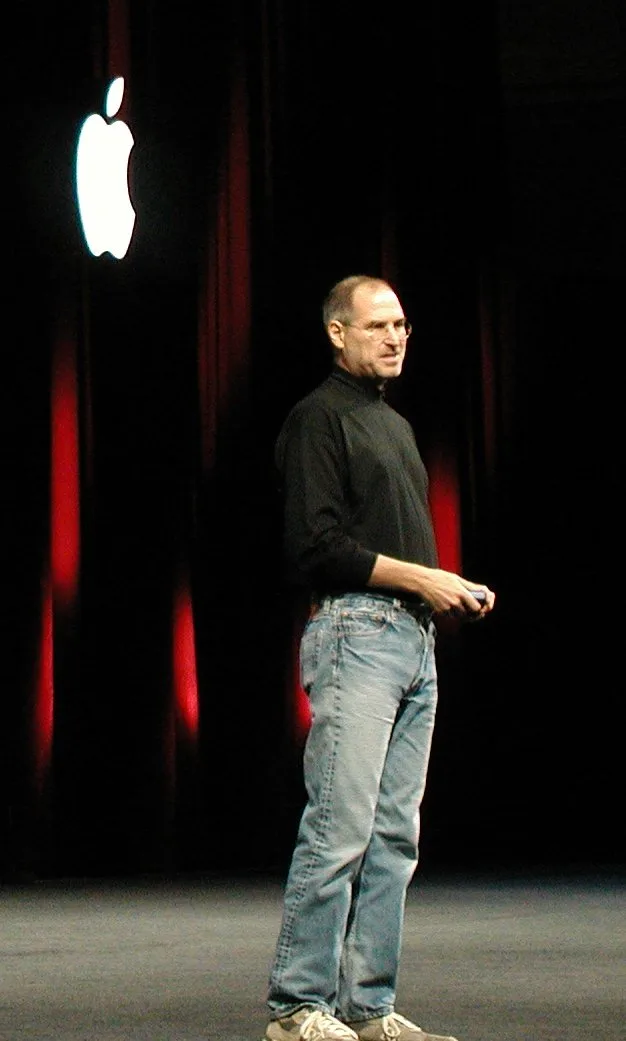
Childhood, Reed and early technology years
Jobs was adopted by Paul and Clara Jobs and grew up in what would become Silicon Valley. He was drawn early to electronics, counterculture, design and spiritual questions. After a brief period as a student at Reed College, he stayed on as an unofficial attendee and took courses including calligraphy, which he later connected with the typographic design of the Macintosh. At Atari he worked in the video game industry before traveling to India. This mixture of technology, simplification, aesthetics and staging became a recurring pattern in his work.
Apple, Wozniak and the personal computer
In 1976 Jobs founded Apple Computer with Steve Wozniak and Ronald Wayne. Wozniak developed the technical basis of the Apple I and Apple II; Jobs understood that a computer for private users should not look like a hobbyist project. The Apple II became an early mass-market personal computer. Jobs' strength lay less in engineering than in direction, sales, packaging and radical simplification. He understood that a device works through casing, distribution, language and desire as well as circuitry.
Macintosh and rupture
The Macintosh of 1984 made the graphical user interface, the mouse and a new idea of the personal computer visible to a broader public. Jobs led the team with enormous standards, charisma and severity. This way of working created focus, but also conflict. After internal power struggles with CEO John Sculley and Apple's board, Jobs lost operational power in 1985 and left the company. The rupture was not a side note, but a turning point: Apple had to work without him, and Jobs had to start again outside Apple.
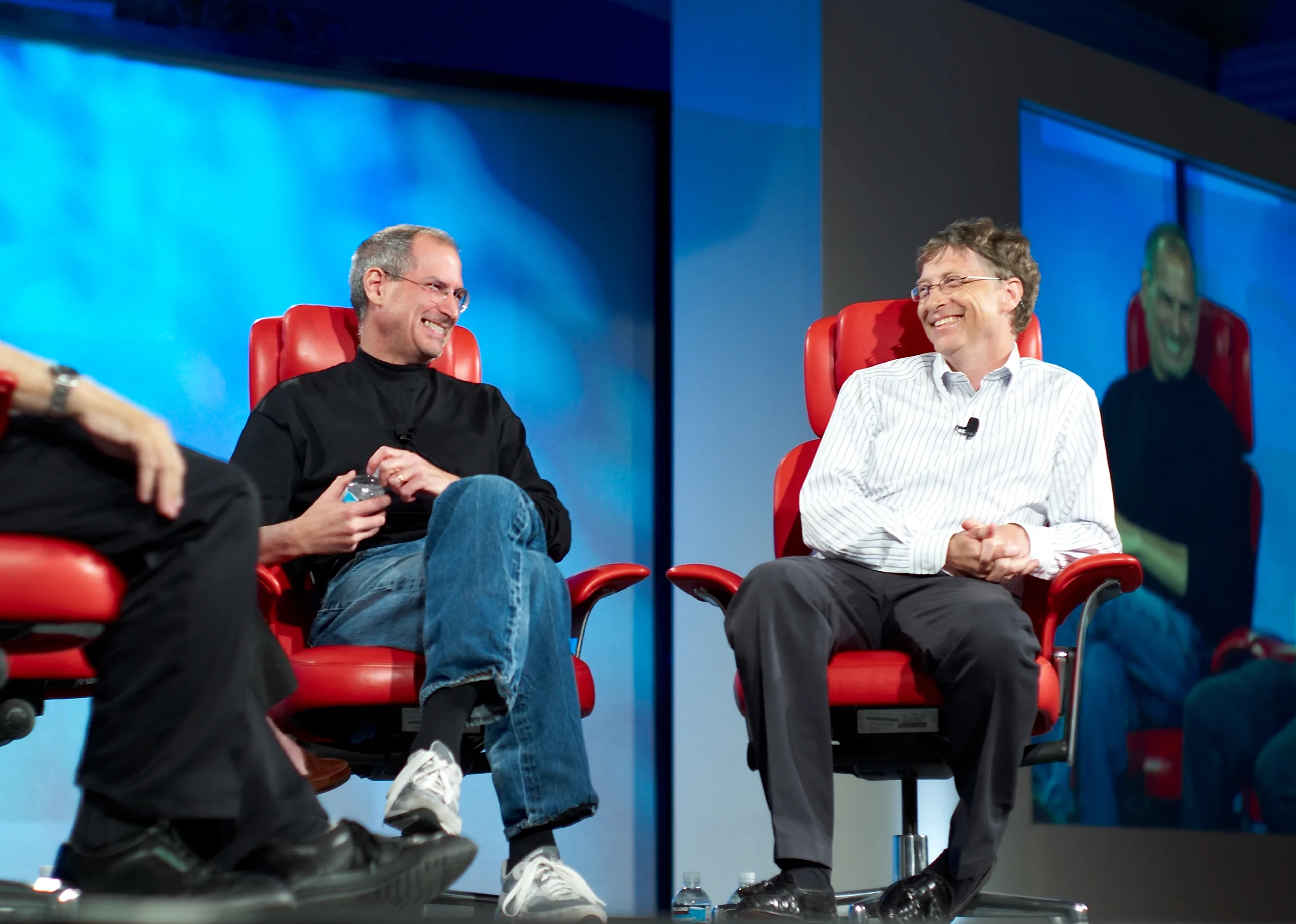
NeXT and Pixar
With NeXT, Jobs wanted to build powerful computers for education and research. The hardware was expensive and commercially limited, but the operating system and development environment later became crucial to Apple's future. In parallel, Jobs bought the computer division of Lucasfilm in 1986, creating Pixar. Toy Story brought the breakthrough of the fully computer-animated feature film in 1995. Pixar made Jobs wealthy and showed that his impact was not confined to computer hardware.
Return and focus
Apple bought NeXT in 1996, bringing Jobs back. From 1997 he again led Apple, first as interim CEO. He cut product lines, simplified the structure and concentrated on a small number of clearly recognizable devices. The iMac of 1998 made this restart visible: colorful, closed, internet-oriented and deliberately unlike the gray PC standard. Jobs worked closely with teams around designer Jony Ive, software developers, hardware engineers and marketing leaders. The public performance centered on Jobs, but the products came from large, disciplined teams.
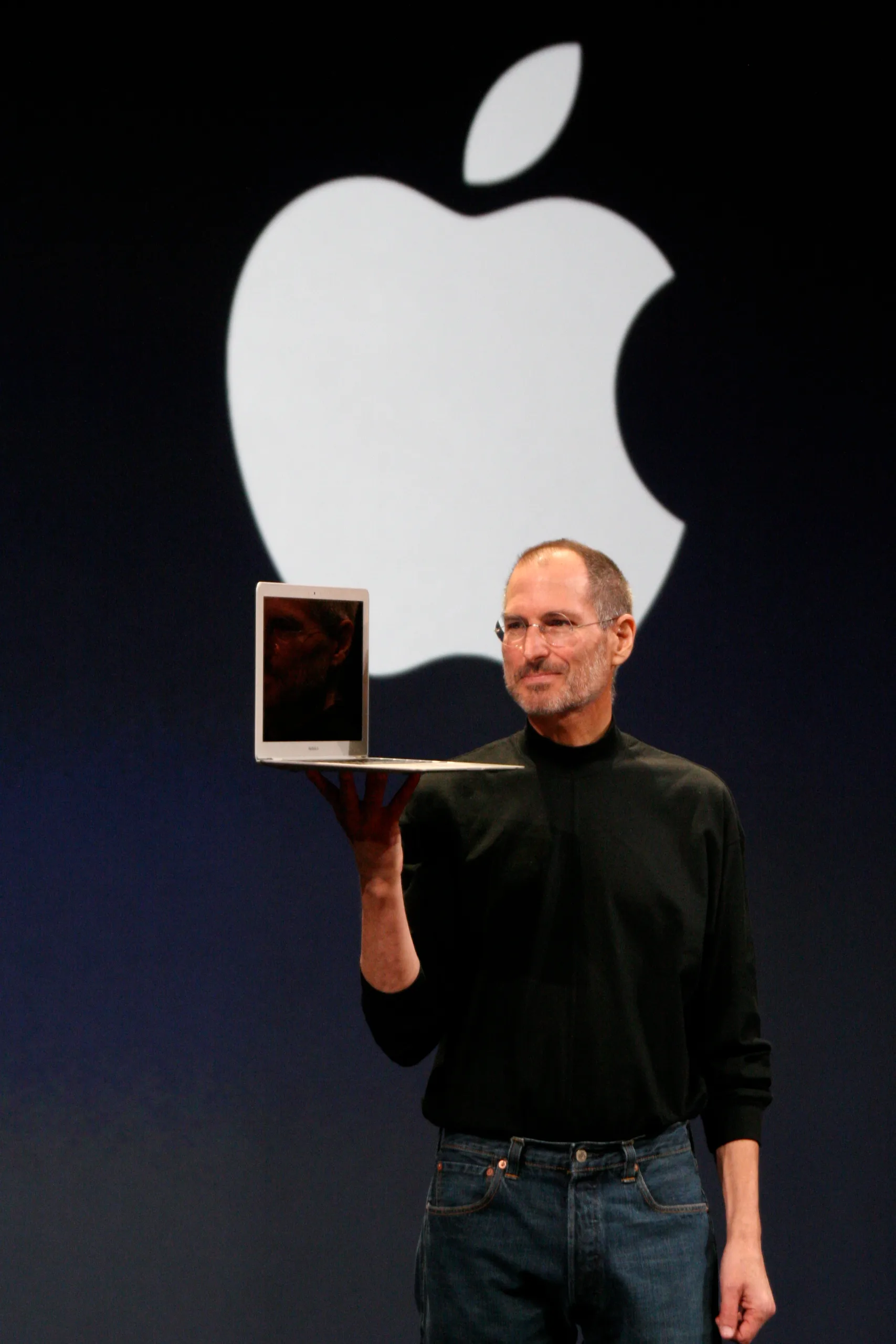
iPod, iPhone and the ecosystem
With iPod and iTunes, Apple shifted its role after 2001 from computer maker to provider of a closed interaction between device, software, store and content. In 2007 Jobs introduced the iPhone; in 2010 came the iPad. These devices changed everyday life, media use, software markets and expectations of interface design. They also brought new dependencies: Apple's control over platform, App Store and hardware became central to its success, but also to lasting disputes about power, openness and business terms.
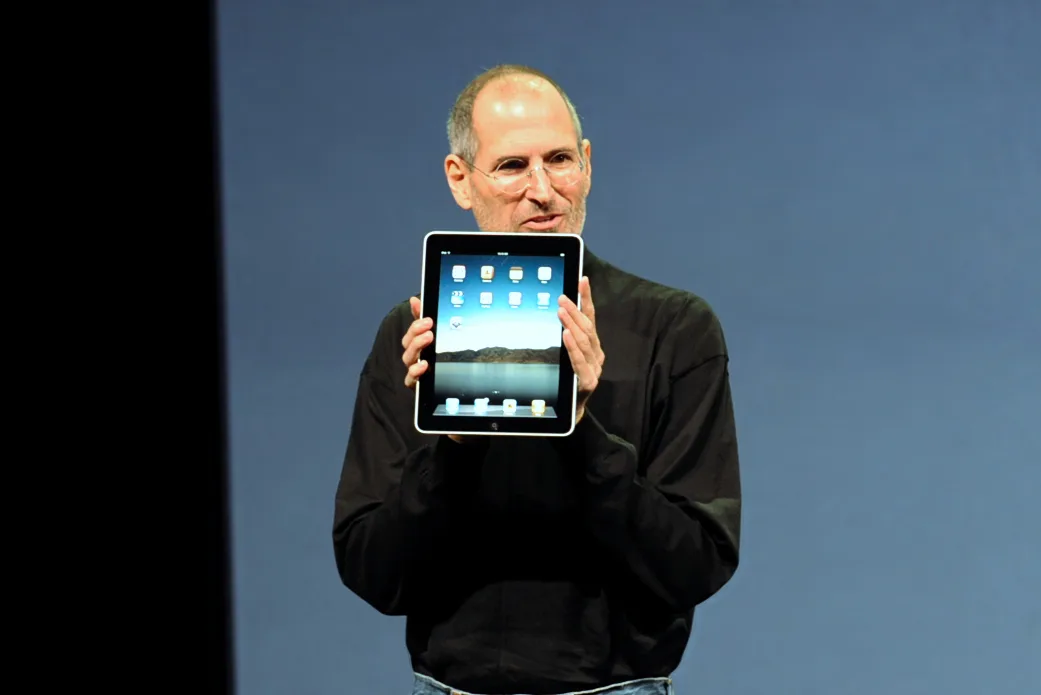
Leadership style and public figure
Jobs' leadership style was famous and burdensome at the same time. He could attract talent, sharpen products and push teams toward results that few thought reachable. He could also be hurtful, impatient and ruthless. This tension belongs in any account of him: without hard decisions, taste and presentation, Apple's rise after 1997 is hard to understand; without the work of many other people, industrial supply chains and the costs of his management culture, the story is incomplete.
Farewell
In 2003 Jobs was diagnosed with a rare form of pancreatic cancer. In the following years he took several medical leaves. On 24 August 2011 he resigned as Apple's CEO, and Tim Cook took over. Steve Jobs died in Palo Alto on 5 October 2011. He was 56 years old. His influence remains visible in devices, presentation styles and digital business models, but also in the question of how much control a company should have over the tools people use every day.
Life Events
10 Events1955
Born in San Francisco, California
1972
Reed College
until 1974
1985
National Medal of Technology and Innovation
1991
Married Laurene Powell Jobs
until 2011
2007
California Hall of Fame
2010
Financial Times Person of the Year
2011
Died in Palo Alto, Santa Clara County (pancreatic cancer)
2012
Grammy Trustees Award
2012
National Inventors Hall of Fame
2013